


Small Batch Multi-Variety CNC Machining Rapid Prototyping Service
I talk to engineers and procurement managers every week who tell me the same thing. You need 50 parts — maybe five different designs — and you need them fast. But every shop you call wants orders of 5,000, not 50. Setup costs are sky-high. Lead times stretch forever. It feels like the manufacturing world was built for everyone except you.
I get it. We see this every day in our shop. Small batch, multi-variety CNC machining is genuinely harder than mass production. But it doesn't have to be a nightmare.
Let me walk you through what a real rapid prototyping service looks like — and how to find one that actually works for low-volume work.
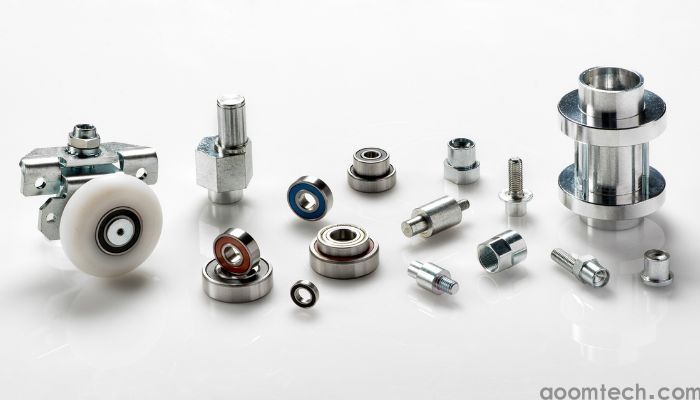
Why Most Shops Struggle With Small Batch Work
Traditional CNC shops are built for repetition. They set up once, then run thousands of identical parts. That model dies on small batches. Every new design means stopping the machine, rewriting the program, changing tools, and re-qualifying the first piece. That eats hours.
Here's the math problem: if setup costs $500 and you run 5,000 parts, it's a dime each. If you run 50 parts, it's $10 each before a single chip flies. Most shops won't touch that.
A shop built for small batches thinks differently. We use advanced CAM programming that groups similar operations across different parts. We run quick-change tooling systems. We value adaptability over brute throughput. It's a different mindset entirely.
How We Make Small Batch Machining Cost-Effective
I hear this question constantly: "OK, but the price per part must be crazy, right?"
Not anymore. Here's what changed.
Digital-first workflow. From your 3D model to G-code, we automate as much as possible. That slashes our engineering time from days to hours. You get a quote faster, and we pass the savings on.
Machine flexibility. We run 5-axis and mill-turn centers that handle multiple operations in one setup. No flipping the part three times. No re-fixturing errors. One setup, done.
Material stock. We keep common materials — 6061 aluminum, Delrin, PEEK, 304 stainless — on the shelf. No waiting for special orders on your small run.
But here's what really matters: cost-effectiveness isn't just unit price. It's speed to market. Getting functional prototypes fast means you test, fail, and iterate before committing to mass production. That saved time is where the real ROI lives.
What Quality Control Looks Like for Multi-Variety Runs
With five different designs running through the shop, how do we keep from mixing things up? Process control. That's the answer.
Every batch, even 10 pieces, gets a digital job card. It follows the parts through every step. The program loads correctly. The right material gets used. No guesswork.
First-article inspection is standard. For every new design variant, the first piece off the machine gets fully measured before we run the rest. We catch issues when they're cheap to fix — not after scrap piles up.
Direct communication. You get a direct line to the project engineer handling your job, not a general inbox. When questions come up, we resolve them in minutes, not days. That speed prevents expensive mistakes.
From Prototype to Production — One Partner
Here's a worry I hear all the time: "What if I perfect my design with a prototype shop, then have to start over with a production factory?"
That's real. And it's painful.
The right small batch CNC service bridges that gap. We made your 50 prototypes. We learned what works — what tool paths cut cleanest, what feeds minimize burrs, what tolerances are actually achievable. When you're ready for 5,000 parts, that knowledge transfers straight to production.
One partner. One learning curve. No requalification headaches.
If you're sitting on designs that need to move fast, send them over. We'll review them, give you honest DFM feedback, and get you a quote.
Send your CAD files to chen@aoomtech.com for a quote within 24 hours.
 CNC Machining Aluminum vs Stee
 Small Batch Precision CNC Mach
 How to Ensure Precision in CNC
 How to Calculate CNC Machining