


Small Batch CNC Machining Parts Customization Price
Small Batch CNC Machining Parts Customization Price: What You Actually Pay For
I've been in CNC machining long enough to know that "How much does it cost?" is the first question every buyer asks. And it's the hardest one to answer without seeing the part. Small batch runs — 5, 10, 50 pieces — are priced differently than mass production, and the differences can surprise people who aren't used to custom manufacturing.
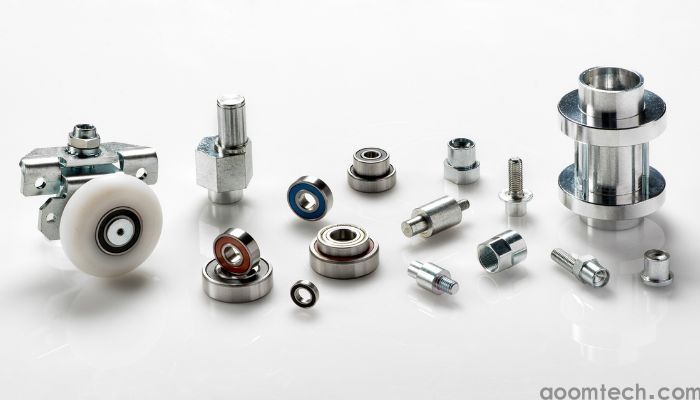
What Drives the Cost of Small Batch CNC Work
Every custom CNC part has four cost components. Understanding each one helps you make better decisions when you're evaluating quotes.
Setup and programming. This is the biggest cost driver for small batches. Before any chip hits the machine, someone has to write the CAM program, select tools, design fixtures, and dial in the setup. For a run of 5 parts, this can account for 50-70 percent of the total cost. For 50 parts, it drops to maybe 15-20 percent. The fix: consolidate multiple part numbers into one order so setup costs are shared, not duplicated.
Part complexity. A simple bracket with a few holes takes minutes to machine. A part with deep cavities, tight internal corners, thin walls, or multi-axis contouring takes hours. I recently quoted two parts for the same client — a simple mounting plate at $25 each, and a complex enclosure at $180 each. Same material, same quantity, wildly different prices because of geometry.
Material choice. Aluminum 6061 is the baseline — affordable, fast-cutting, predictable. 304 stainless steel costs 3-4x more in raw material and machines slower. Titanium costs 10x more and requires specialized tooling. If your application doesn't need the premium material, don't spec it. I've saved clients 40 percent on their project cost just by switching from 316 stainless to 303 stainless, which machines much better.
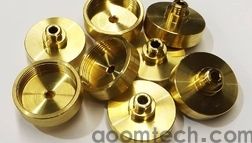
Real Price Examples From Recent Quotes
These are actual prices from our shop for small batch runs:
- Simple aluminum block (2"x2"x1", drilled and tapped holes): 1pc $180, 10pcs $75/pc, 50pcs $42/pc
- Medium complexity 6061 bracket (3-axis milling, ±0.05mm): 1pc $280, 10pcs $95/pc
- Complex 304 stainless part (4-axis, ±0.01mm tolerance): 1pc $520, 10pcs $185/pc
The pattern is clear: the more pieces you order, the less you pay per part. The first part pays for the setup. The rest just pay for material and machining time.
Surface Finish and Tolerance: Watch These Closely
Standard ±0.1mm tolerance costs nothing extra. Going to ±0.01mm adds 30-50 percent to the machining cost because of slower feeds, extra inspection, and higher scrap. If only two surfaces on your part need tight tolerance, call those out separately. Don't apply tight tolerance to the whole part — it's a common mistake that costs our clients thousands.
How to Get the Best Small Batch CNC Quote
- Send a complete 3D STEP or IGES file — this alone speeds up quoting by days
- Specify material grade clearly — "aluminum 6061-T6" not just "aluminum"
- Mark critical dimensions on your drawing — helps the machinist focus on what matters
- Ask about DFM improvements — we can often suggest changes that cut cost without affecting function
One More Thing on Price vs Value
I've seen buyers chase the lowest quote only to end up with parts that don't fit, wrong surface finish, or missed deadlines. A cheap part that doesn't work is the most expensive part you'll ever buy. When you get a quote that's 40 percent lower than everyone else, ask why. Sometimes there's a legitimate reason — a shop might have automated processes or excess capacity. Other times, they're planning to cut corners you won't discover until it's too late.
At AOOM Technology, we're transparent about pricing. Every quote comes with a detailed breakdown so you see exactly what you're paying for. Send your CAD files to chen@aoomtech.com and we'll give you a competitive quote within 24 hours, with free DFM recommendations included.
 CNC Machining Aluminum vs Stee
 Small Batch Precision CNC Mach
 How to Ensure Precision in CNC
 How to Calculate CNC Machining