


How to Choose a Supplier for CNC Machining Copper Parts
How to Choose a Supplier for CNC Machining Copper Parts
Finding a shop that says they can machine copper is easy. Almost every CNC job shop will say yes when you ask. But finding one that actually understands how copper behaves on the machine — that's a different story. Copper is soft, gummy, and prone to surface defects if you treat it like steel or even aluminum. I've seen plenty of parts ruined by shops that didn't adjust their feeds and speeds for the material.
Why Copper Is Different From Other CNC Materials
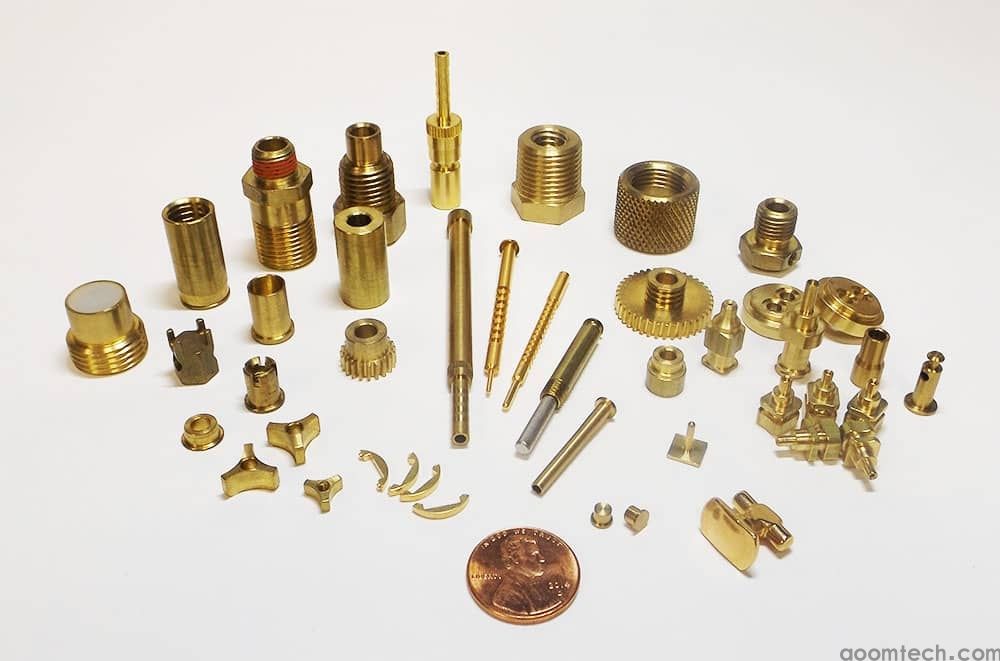
Copper and its alloys — brass C360, bronze, beryllium copper — have excellent electrical conductivity, thermal performance, and corrosion resistance. That's why they're used in electrical components, valve fittings, heat exchangers, and decorative hardware. But these same properties make them tricky to machine.
Pure copper (C110) is especially difficult. It's soft and ductile, which means it doesn't break chips cleanly. Instead, the material wants to smear and form built-up edge on the cutting tool. This leads to poor surface finish and dimensional drift if the operator doesn't compensate. Brass C360 is easier — it's formulated to be free-machining — but still requires different tool geometries than aluminum or steel.
What to Look For in a Copper CNC Supplier
Don't just ask "Can you machine copper?" Ask specific questions that reveal real experience:
Experience with specific copper alloys. Machining C360 brass is not the same as machining C110 pure copper. A shop that has worked with both will know the difference in tooling, speeds, and chip management. Ask for examples of similar work they've done.
Tooling strategy. Copper benefits from sharp cutting edges and polished flute surfaces to prevent material from sticking. Some shops use diamond-like carbon (DLC) coated tools specifically for non-ferrous materials. If they can explain their tooling choices, they know what they're doing.
Surface finish approach. Copper parts often need a smooth, defect-free surface — especially for electrical contacts or visible fittings. Ask how they handle surface finish on copper. A good shop will have a specific strategy for feeds, speeds, and coolant delivery.
The Quality Control Questions Matter
I always tell buyers to ask this one question during supplier evaluation: "What's the most common quality issue you encounter with copper parts, and how do you prevent it?" The answer separates shops with real experience from those who are guessing.
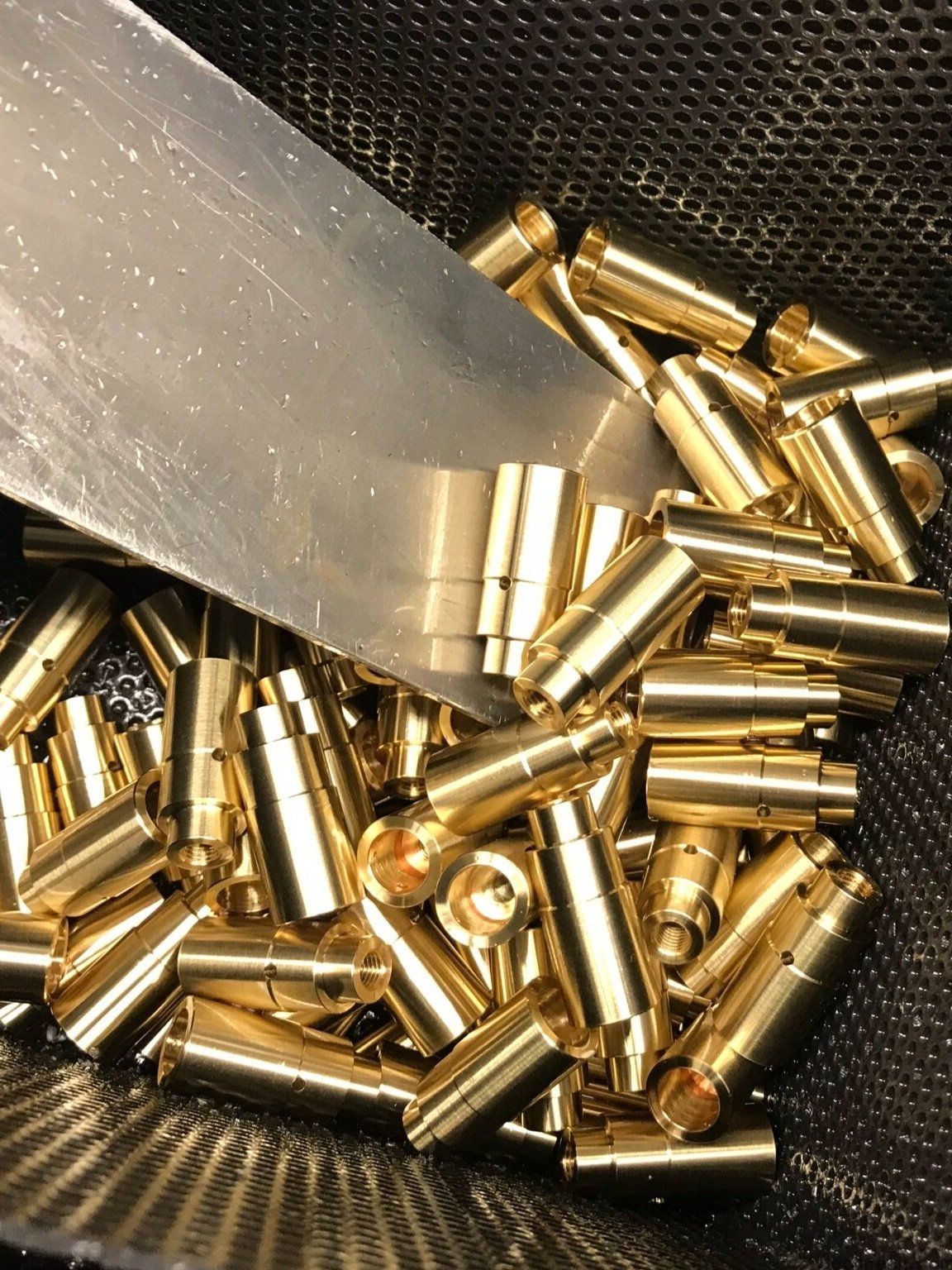
A shop that genuinely knows copper will talk about built-up edge, thermal expansion during cutting, or burr formation on threaded features. They'll have specific countermeasures — proper coolant concentration, tool path strategies, deburring processes. A shop that hesitates or gives a generic answer probably hasn't done much copper work.
Why Communication Matters More Than Price
Here's something I've learned from years in this industry: a slightly more expensive supplier with clear communication will cost you less in the long run. Misunderstood tolerances, wrong surface finish specs, missed delivery dates — these hidden costs add up fast.
The best copper machining partners will proactively review your design and flag potential issues before quoting. They'll ask about your application to understand which surface finishes and tolerances are truly critical. They'll be transparent about lead times and potential challenges.
AOOM Technology's Copper Machining Capability
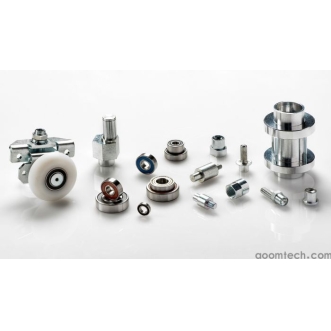
At AOOM Technology, we machine copper and brass alloys regularly — from C110 pure copper electrical components to C360 brass fittings and decorative hardware. Our 60+ CNC machines run optimized parameters for non-ferrous materials, with specialized tooling and coolant strategies to achieve consistent surface finish and ±0.01mm tolerances.
If you need CNC machined copper parts, send your drawings or CAD files to chen@aoomtech.com. We'll provide a detailed quote with free DFM recommendations within 24 hours.
 CNC Machining Aluminum vs Stee
 Small Batch Precision CNC Mach
 How to Ensure Precision in CNC
 How to Calculate CNC Machining