


Key Considerations for CNC Stainless Steel Parts Machining
Why Stainless Steel Tests Every Machinist
Stainless steel has a reputation, and it earned it. The material work-hardens as you cut, meaning the surface gets tougher with every pass. Heat stays trapped at the cutting edge because stainless does not conduct heat well. Both factors attack your tool simultaneously.
I tell engineers new to stainless that the material is not impossible — it just demands respect. You cannot use the same approach you would for mild steel and expect good results. The parameters, tooling, and coolant strategy all need adjustment.
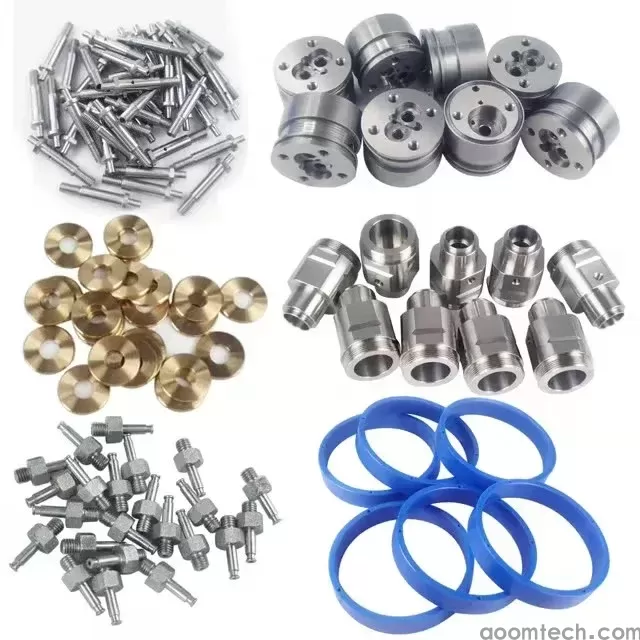
Tool Selection Is the First Decision That Matters
Carbide tools outperform high-speed steel hands-down for stainless. They maintain hardness at the higher temperatures stainless generates. A sharp cutting edge with a positive rake angle reduces cutting forces and helps prevent work-hardening.
Here is what I consider for every stainless job:
- A wear-resistant coating like TiAlN or AlTiN to reduce friction and heat transfer.
- A keen edge geometry — never run dull tools on stainless.
- Proper clearance angles to avoid rubbing against the work-hardened surface.
Cutting Parameters: Finding the Sweet Spot
Running too slow causes rubbing, which work-hardens the surface. Running too fast generates excessive heat that kills the tool. For common grades like 304 and 316, I start at 60-120 surface feet per minute and adjust based on chip formation.
Feed rate must be adequate. A feed that is too light lets the tool rub instead of cut. I look for small, broken chips that carry heat away. Long stringy chips tell me the parameters need adjustment.
Coolant and Lubrication Are Not Optional
Flood coolant is the baseline. For deep pockets and hard-to-reach features, through-tool coolant makes a difference. The coolant must reach the cutting edge to control temperature and flush chips away.
I have seen shops try to save coolant costs on stainless jobs. That decision always backfires. Without proper cooling, the tool overheats, the material work-hardens faster, and surface quality drops. Coolant is not an expense — it is an investment in process stability.
Different Grades Behave Differently
304 stainless is gummier and tends to build up edge on the tool. 316 contains molybdenum, which adds strength but makes machining more challenging. The 400-series grades machine more freely but have their own quirks.
Knowing the exact grade helps us tailor the approach. A one-size-fits-all strategy will not deliver optimal results across the stainless family.
Quality Control During Production
We check tool wear regularly — stainless accelerates it faster than most materials. First-article inspection covers every critical dimension. During production runs, we verify key features at intervals based on tool life projections.
Surface finish measurement catches issues early. If roughness climbs above spec, we stop and investigate before producing more scrap. That discipline pays for itself many times over.
Send your CAD files to chen@aoomtech.com for a quote within 24 hours.
 CNC Machining Aluminum vs Stee
 Small Batch Precision CNC Mach
 How to Ensure Precision in CNC
 How to Calculate CNC Machining