Aluminum CNC Machining Services
Aluminum CNC Machining Services
Many engineers, purchasing managers, and product developers choose aluminum for its lightweight properties and excellent machinability. Yet common challenges still exist. Parts may warp during machining, surface finishes may not meet expectations, and selecting the right machining process for different aluminum grades can be confusing. Cost control is another concern, especially when projects move from prototypes to production volumes.
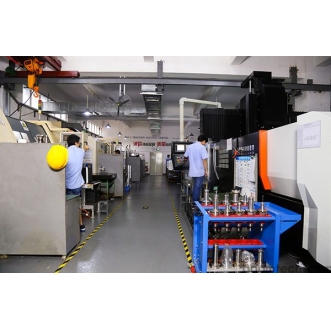
Aluminum CNC machining services help solve these issues by combining advanced CNC technology, material expertise, and strict quality control procedures. Whether producing aerospace components, automotive parts, or consumer products, CNC machining provides the precision, consistency, and efficiency required for modern manufacturing.
What Are Aluminum CNC Machining Services?
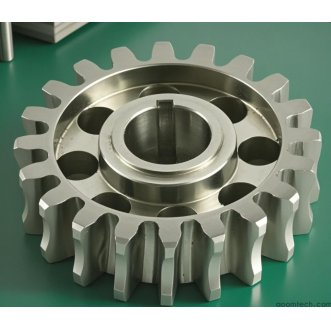
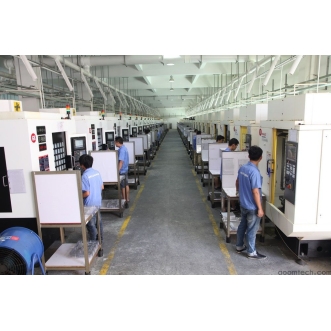
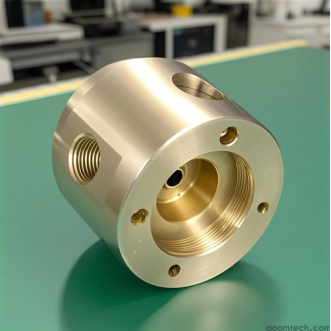
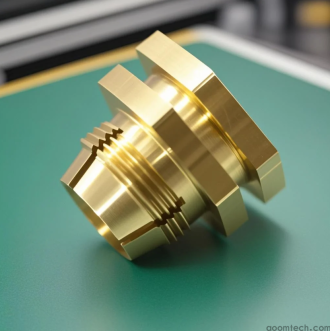
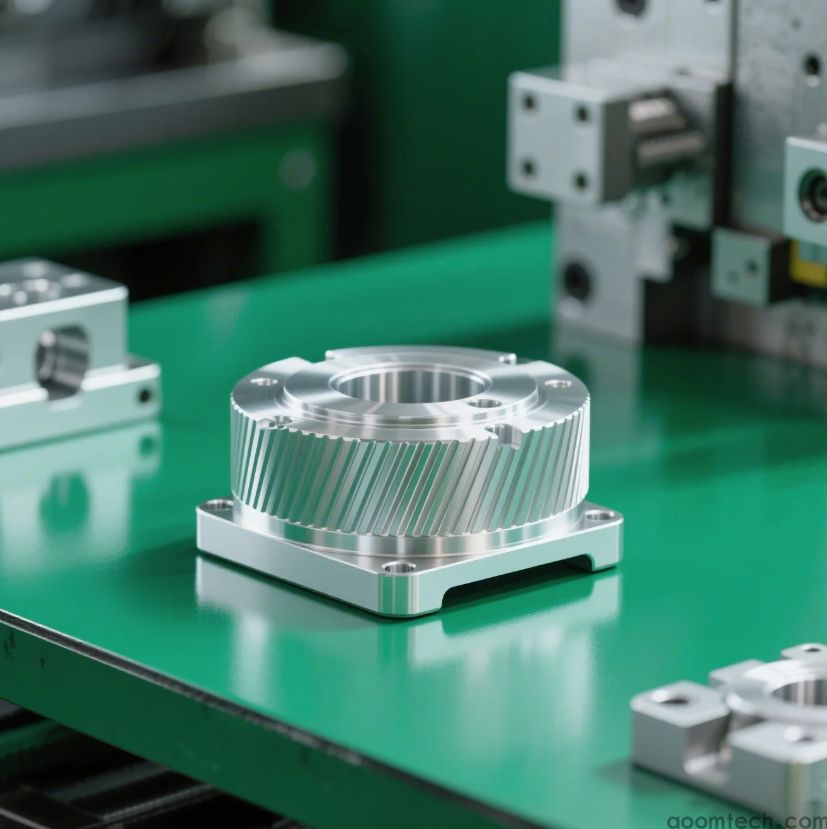
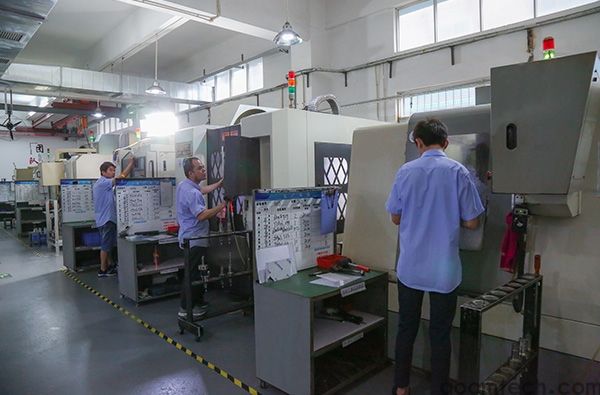
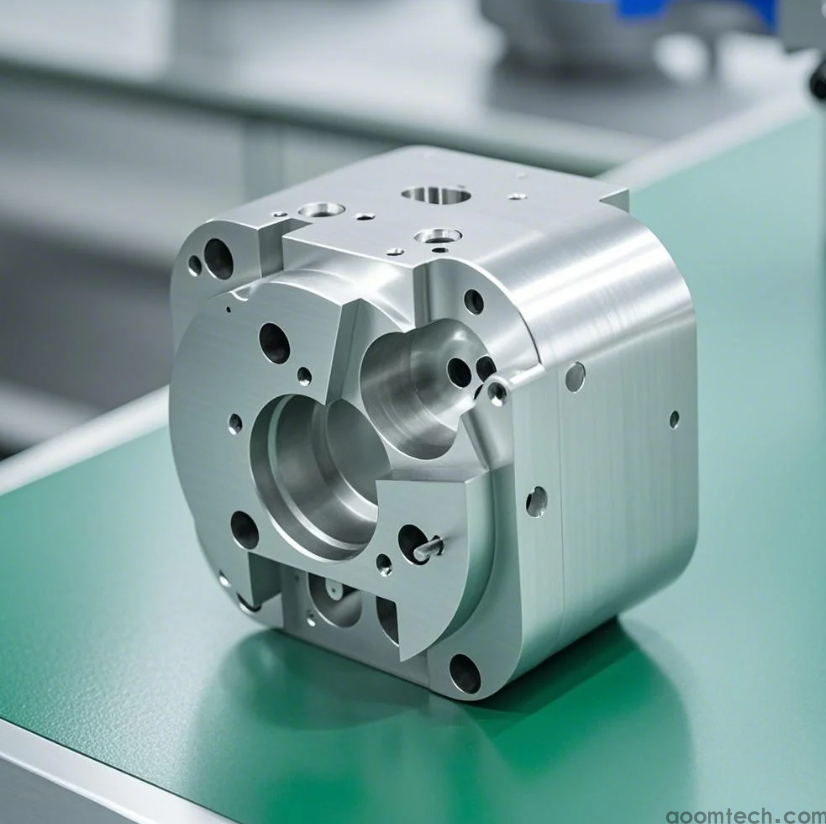
Aluminum CNC machining services involve the use of computer-controlled machine tools to manufacture aluminum components based on digital CAD models and engineering drawings. CNC equipment automatically performs operations such as milling, turning, drilling, boring, tapping, and threading with high precision.
These services are widely used across industries because aluminum offers an ideal balance of strength, weight reduction, corrosion resistance, and cost-effectiveness.
Typical applications include:
Automotive components
Aerospace structures
Electronic enclosures
Industrial equipment parts
Medical devices
Consumer products
Why Aluminum Is One of the Most Popular CNC Machining Materials
Excellent Machinability
Aluminum machines much faster than many steels and titanium alloys. Higher cutting speeds reduce production time and improve overall manufacturing efficiency.
Lightweight Yet Strong
Many aluminum alloys offer impressive strength while remaining significantly lighter than steel. This makes aluminum ideal for applications where weight reduction improves performance.
Corrosion Resistance
Natural oxide formation helps protect aluminum against corrosion. Additional anodizing treatments can further enhance durability.
Good Thermal and Electrical Conductivity
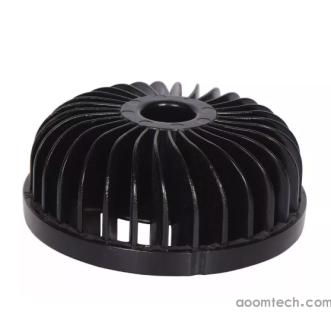
Aluminum is commonly used in heat sinks, electronic housings, and electrical components because of its conductivity characteristics.
Recyclability
Aluminum can be recycled repeatedly without significant loss of material properties, making it an environmentally responsible manufacturing choice.
Common Aluminum Grades Used in CNC Machining
Aluminum 6061
6061 is one of the most widely used aluminum alloys. It offers a good combination of strength, corrosion resistance, and machinability.
Common applications include:
Industrial equipment
Automation systems
Electronic enclosures
General engineering components
Aluminum 7075
7075 aluminum provides significantly higher strength than 6061 and is frequently selected for aerospace and high-performance automotive applications.
Aluminum 5052
5052 offers excellent corrosion resistance and is commonly used in marine environments and sheet metal applications.
Aluminum 2024
This alloy delivers excellent fatigue resistance and is often used in aerospace structures that experience repeated stress cycles.
Choosing the Right Aluminum Machining Process
One of the biggest challenges for buyers is selecting the most suitable machining method for their aluminum components. The correct process depends on part geometry, tolerance requirements, production volume, and surface finish expectations.
CNC Milling
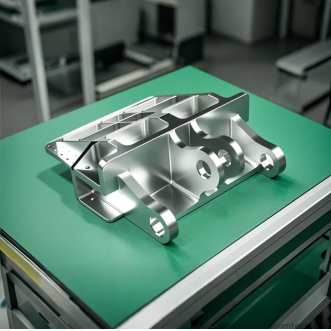
CNC milling is the most common process used for aluminum parts. Rotating cutting tools remove material to create complex shapes, pockets, slots, and precision surfaces.
Ideal for:
Housing components
Structural brackets
Heat sinks
Custom mechanical parts
CNC Turning
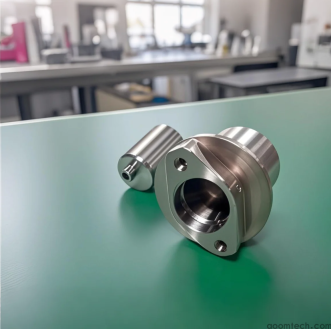
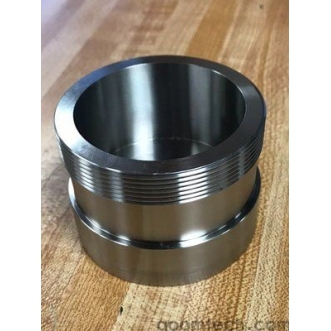
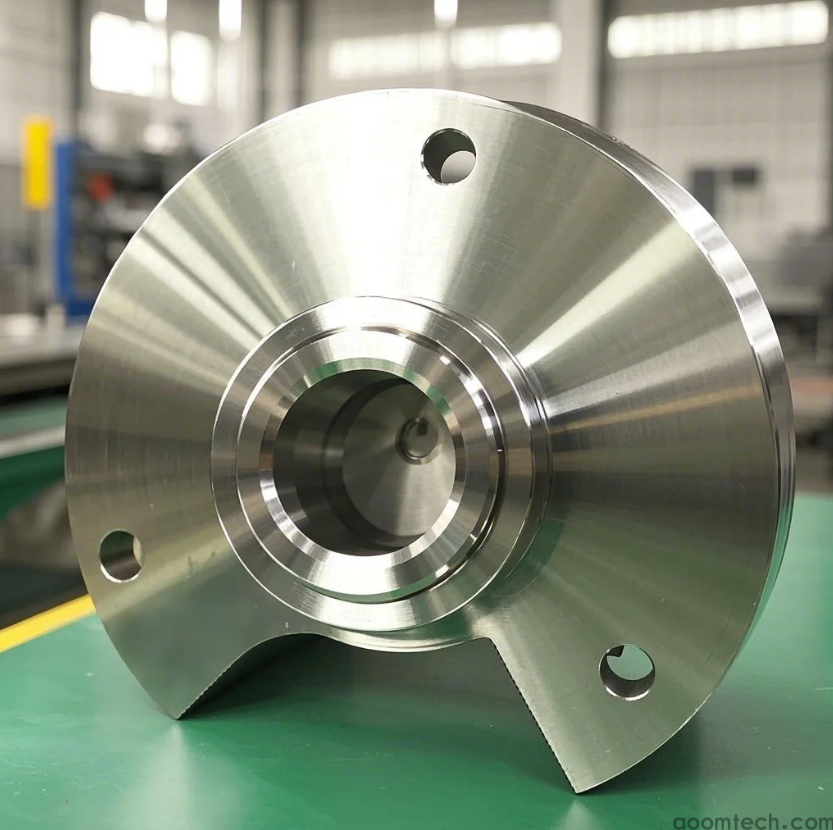
CNC turning is used for cylindrical aluminum components. It provides excellent productivity and dimensional accuracy.
Common products include:
Shafts
Connectors
Bushings
Fittings
5-Axis CNC Machining
Complex aluminum components often benefit from 5-axis machining. This technology reduces multiple setups while improving accuracy and surface quality.
Industries such as aerospace and medical manufacturing frequently rely on 5-axis machining for intricate geometries.
High-Speed Machining
Aluminum's excellent machinability makes it well suited for high-speed machining. Faster cutting rates improve productivity and reduce manufacturing costs.
Advantages of Aluminum CNC Machining Services in Automotive Manufacturing
The advantages of aluminum CNC machining services in automotive manufacturing continue to drive adoption throughout the industry.
Vehicle manufacturers constantly seek ways to reduce weight while maintaining structural integrity and safety standards.
Benefits include:
Reduced vehicle weight
Improved fuel efficiency
Enhanced electric vehicle range
High dimensional accuracy
Excellent heat dissipation properties
Typical automotive applications include engine components, transmission housings, suspension parts, battery enclosures, and performance accessories.
Precision Aluminum CNC Machining Services for Aerospace Components
Precision aluminum CNC machining services for aerospace components require exceptional attention to detail and strict quality standards.
Aerospace manufacturers rely on CNC machining because aircraft parts often require:
Tight tolerances
Complex geometries
Lightweight construction
Consistent repeatability
Documented quality control processes
Common aerospace aluminum components include structural brackets, avionics housings, mounting systems, and lightweight mechanical assemblies.
Advanced CNC machining ensures these critical components meet demanding performance and safety requirements.
Cost-Effective Aluminum CNC Machining Services for Consumer Products
Many manufacturers seek cost-effective aluminum CNC machining services for consumer products that balance quality and production efficiency.
Consumer products often require attractive finishes, consistent quality, and competitive pricing.
Examples include:
Laptop housings
Smart device enclosures
Camera components
Sporting equipment parts
Home appliance components
Cost savings can be achieved through optimized designs, efficient machining strategies, proper material selection, and scalable production planning.
How Quality Control Ensures High-Quality Aluminum Parts
Many customers worry about dimensional accuracy, cosmetic appearance, and long-term durability after machining. Reliable aluminum CNC machining services address these concerns through comprehensive quality control systems.
Raw Material Inspection
Certified aluminum materials are verified before production begins to ensure compliance with required specifications.
In-Process Measurement
Critical dimensions are monitored throughout machining to identify potential deviations before they affect finished parts.
CMM Inspection
Coordinate Measuring Machines verify dimensional accuracy and generate inspection reports for customer review.
Surface Finish Evaluation
Surface roughness measurements help ensure parts meet both functional and cosmetic requirements.
Final Inspection
Completed parts undergo comprehensive inspections covering dimensions, appearance, fit, and overall quality before shipment.
Surface Finishing Options for Aluminum Parts
Post-machining finishing processes can significantly improve the appearance and performance of aluminum components.
Anodizing for corrosion resistance and aesthetics
Powder coating for durability
Bead blasting for uniform matte finishes
Polishing for decorative applications
Chemical conversion coating for enhanced protection
Selecting the appropriate finish depends on the part's environment, appearance requirements, and functional needs.
How to Choose a Reliable Aluminum CNC Machining Partner
Not all machining suppliers offer the same level of expertise. When evaluating potential partners, consider:
Experience with aluminum machining projects
Advanced CNC equipment capabilities
Engineering support resources
Material sourcing and traceability systems
Quality certifications
Inspection capabilities
Production capacity and lead times
A supplier with strong technical knowledge can recommend design improvements that reduce costs while maintaining performance and manufacturability.
Conclusion
Aluminum CNC machining services provide a reliable solution for producing lightweight, durable, and highly precise components across numerous industries. By selecting the right aluminum alloy, machining process, and quality control strategy, manufacturers can improve product performance while maintaining cost efficiency.
Whether you need to understand the advantages of aluminum CNC machining services in automotive manufacturing, require precision aluminum CNC machining services for aerospace components, or seek cost-effective aluminum CNC machining services for consumer products, partnering with an experienced CNC machining provider can help ensure successful project outcomes from prototype development through mass production.
Explore our related services and solutions:
RELATED PRODUCTS
-
CNC Machined Transmission Worm Gears Ser
-
CNC Machined Sensor Components Services
-
CNC Precision Metal Machining Services
-
CNC Machining Production Services
-
CNC Lighting Housing Processing Services
-
Cost-Optimized CNC Turning Services
-
CNC Contract Manufacturing Services
-
CNC Large Part Machining Services
-
Precision Copper CNC Machining Services
-
CNC Copper Machining Services