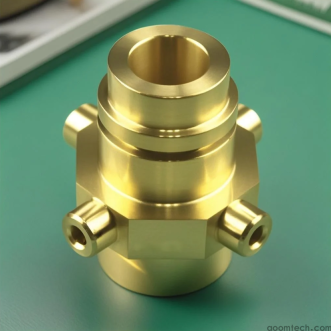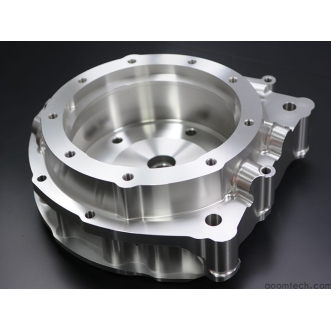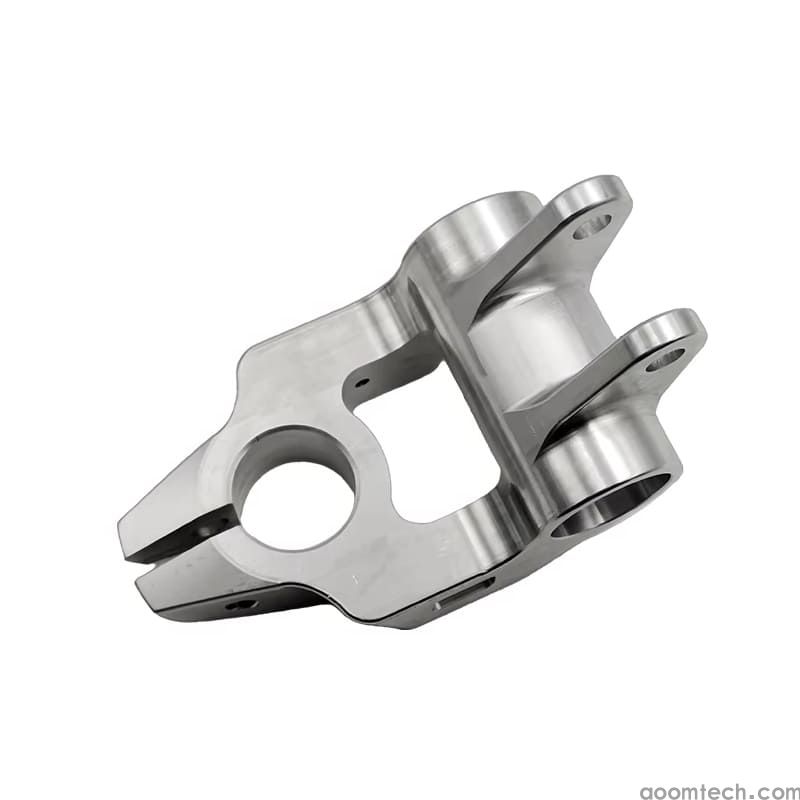
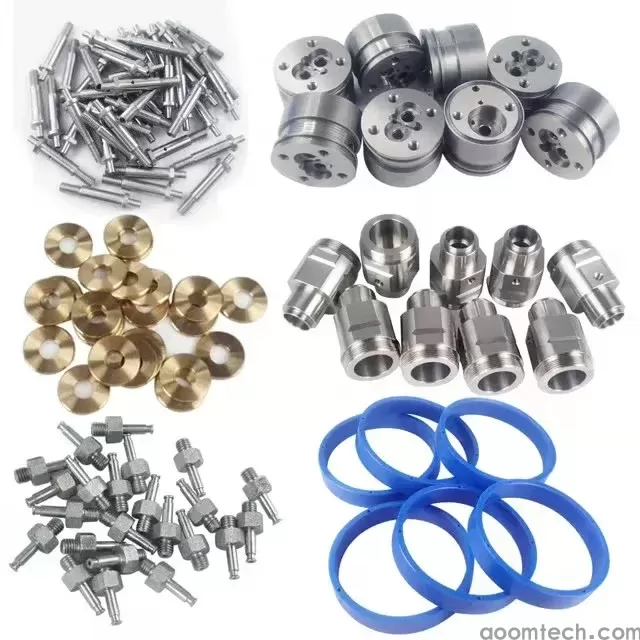
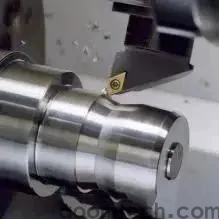
CNC Machining Service for Precision Metal Parts
CNC Machining Service for Precision Metal Parts
Finding a reliable CNC Machining Service for Precision Metal Parts can be challenging. Many buyers worry that poor machining accuracy may cause assembly problems, product failure, or reduced service life. Others struggle with high manufacturing costs, inconsistent quality, material selection issues, and long production lead times. These concerns are especially important for industries such as aerospace, automotive, medical equipment, electronics, robotics, and industrial machinery, where even a small dimensional error can affect overall product performance.
A professional CNC machining partner helps solve these problems through advanced equipment, strict quality control, and experienced engineering support. By choosing the right supplier, businesses can receive high-quality precision metal parts that meet exact specifications while controlling costs and maintaining reliable delivery schedules.
What Is CNC Machining Service for Precision Metal Parts?
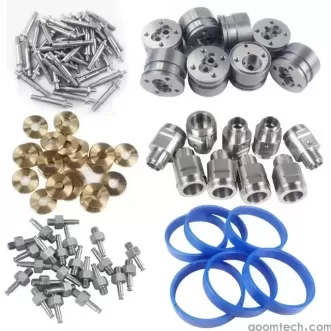
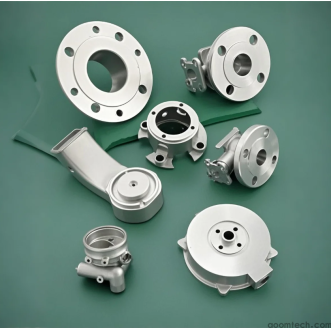
CNC Machining Service for Precision Metal Parts is a manufacturing process that uses computer-controlled machine tools to produce metal components with tight tolerances and excellent consistency. CNC stands for Computer Numerical Control, which allows machining programs to guide cutting tools with high precision.
The process can manufacture complex geometries, intricate features, and custom designs that are difficult to achieve through traditional machining methods. CNC machining is suitable for prototypes, low-volume production, and large-scale manufacturing projects.
Common CNC machining operations include:
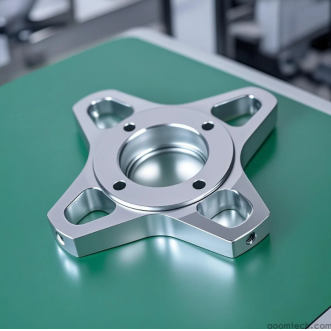
CNC milling for complex shapes and surfaces
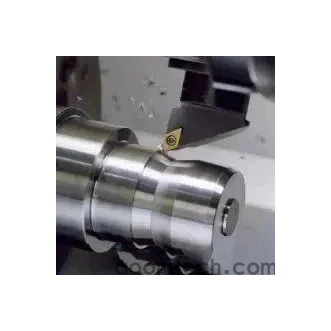
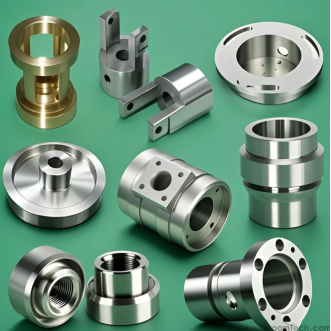
CNC turning for shafts, pins, bushings, and cylindrical components
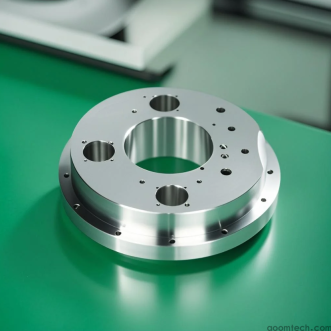
Drilling and tapping for threaded holes
Surface grinding for improved dimensional accuracy
Multi-axis machining for complex precision parts
Why Precision Matters in Metal Parts Manufacturing
Precision metal parts are often used in assemblies where multiple components must fit together accurately. Even a small deviation can lead to vibration, leakage, premature wear, or complete system failure.
Professional high-accuracy CNC machining for precision metal parts ensures:
Accurate dimensions and tight tolerances
Reliable assembly performance
Reduced product defects
Improved durability and lifespan
Consistent quality across production batches
Lower maintenance and replacement costs
For industries with strict quality requirements, precision machining is not simply a manufacturing option—it is a necessity.
The CNC Machining Process for Precision Metal Parts
1. Engineering Review and Design Analysis
Every project begins with a detailed review of drawings, CAD models, and technical requirements. Engineers evaluate dimensions, tolerances, surface finish requirements, and material specifications before production starts.
2. Material Selection
Selecting the right metal is critical to achieving the desired strength, durability, corrosion resistance, and machining performance. Different applications require different materials based on operating conditions and performance expectations.
3. CNC Programming
CAM software converts engineering designs into machining instructions. These programs control tool paths, cutting speeds, feed rates, and machining sequences to ensure accurate production.
4. Precision Machining
Modern CNC equipment machines the raw material into the final component. Multi-axis machining centers can create complex features while maintaining tight dimensional control.
5. Inspection and Verification
After machining, parts undergo dimensional inspection and quality verification to ensure they meet customer requirements before shipment.
Metal Materials Commonly Used for Precision CNC Machining
Material selection directly affects product performance, machining efficiency, and manufacturing costs. A reliable machining supplier helps customers choose the most suitable material for their application.
Aluminum
Lightweight and strong
Excellent machinability
Good corrosion resistance
Suitable for electronics, automotive, and aerospace applications
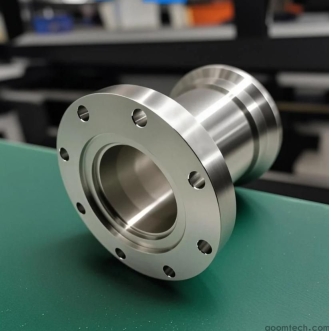
Stainless Steel
High strength and durability
Excellent corrosion resistance
Suitable for medical devices and industrial equipment
Carbon Steel
Cost-effective material option
High mechanical strength
Suitable for structural and industrial components
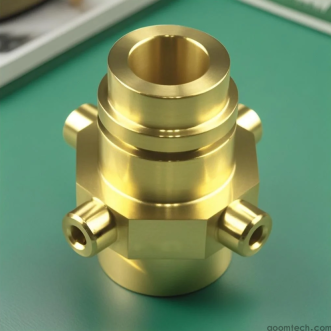
Brass
Excellent machinability
Good electrical conductivity
Suitable for electrical connectors and precision fittings
Titanium
High strength-to-weight ratio
Excellent corrosion resistance
Widely used in aerospace and medical industries
How Cost-Efficient CNC Machining Reduces Manufacturing Expenses
Many buyers assume precision machining always results in high production costs. However, modern cost-efficient CNC machining for precision small-sized metal parts can significantly reduce total manufacturing expenses through optimized production methods.
Cost-saving strategies include:
Efficient tool path optimization
Reduced material waste
Automated production processes
Lower labor requirements
Reduced rework and scrap rates
Improved production consistency
When parts are manufactured correctly the first time, businesses save money on inspections, repairs, replacements, and production delays.
Quality Control Measures for Precision Metal Parts
One of the biggest concerns for buyers is whether the finished parts will consistently meet specifications. Professional CNC machining providers implement strict quality control procedures throughout the manufacturing process.
Typical quality control measures include:
Incoming material inspection
First article inspection
In-process dimensional verification
Coordinate Measuring Machine (CMM) inspection
Surface finish testing
Final quality inspection before shipment
These procedures help ensure every precision metal component meets customer requirements and industry standards.
Advantages of Custom CNC Machining for Precision Metal Components
Many projects require unique designs that cannot be sourced from standard catalogs. In these situations, custom-made CNC machining for precision metal components provides flexibility and engineering freedom.
Custom CNC machining offers:
Design flexibility for complex geometries
Rapid prototype development
Fast design modifications
Low-volume and high-volume production support
Wide material selection options
Consistent quality across customized parts
This approach enables manufacturers to develop products that precisely match their functional and performance requirements.
Applications of Precision CNC Machined Metal Parts
Precision metal components are used across numerous industries where accuracy and reliability are critical.
Aerospace structural and engine components
Automotive transmission and braking systems
Medical devices and surgical equipment
Industrial automation systems
Robotics and motion control equipment
Electronics enclosures and heat sinks
Hydraulic and pneumatic systems
Energy and power generation equipment
How to Choose the Right CNC Machining Partner
Selecting the right supplier can greatly reduce project risks. When evaluating a CNC machining company, consider the following factors:
Experience with precision metal part manufacturing
Advanced CNC machining equipment
Material expertise
Quality certifications and inspection capabilities
Engineering and technical support
Production capacity and delivery reliability
Transparent communication and project management
A trusted machining partner should be able to provide technical guidance, manufacturing recommendations, and quality assurance throughout the project lifecycle.
Conclusion
Choosing a professional CNC Machining Service for Precision Metal Parts helps businesses overcome common challenges such as dimensional inaccuracies, high production costs, material selection difficulties, and inconsistent quality. Through advanced machining technology, rigorous inspection procedures, and experienced engineering support, manufacturers can obtain precision metal parts that meet demanding performance requirements.
To continue your research, explore related resources on our website, including our precision metal parts product catalog, custom CNC machining service pages, material selection guides, and case studies showcasing successful precision metal component manufacturing projects. These resources can help you identify the best solution for your specific application and production goals.
RELATED PRODUCTS
-
CNC Machining Service for Precision Meta
-
CNC Machining Service for Copper Shafts
-
Precision CNC Turning Service
-
CNC Machining Service for Stainless Stee
-
CNC Machining Service for Motor Parts
-
Custom CNC Machining Service for Non-sta
-
Kitchenware Parts CNC Machining Services
-
CNC Machining Service for Stainless Stee
-
Mass CNC Machining Service for Precision
-
CNC Milling Service for Precision Parts