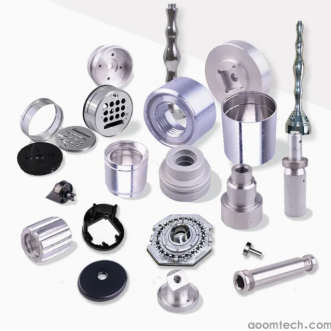
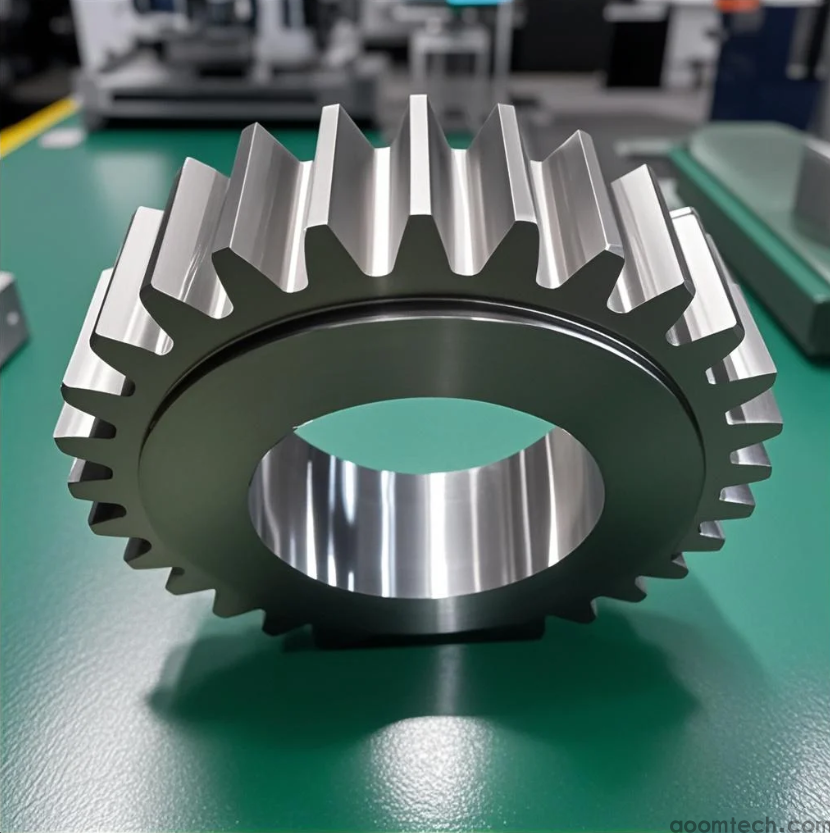
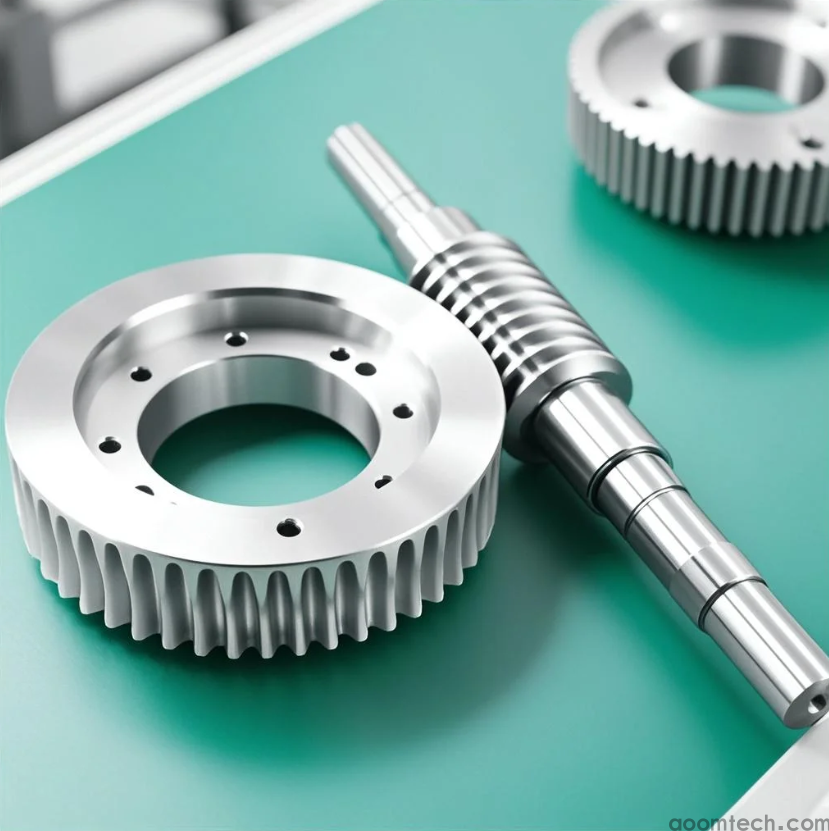
CNC Machining Services for Engine Parts
CNC Machining Services for Engine Parts: High-Quality Solutions for Reliable Engine Performance
When sourcing CNC Machining Services for Engine Parts, many manufacturers and equipment builders face common challenges. Engine components often operate under high temperatures, heavy loads, and continuous mechanical stress. If machining accuracy is poor, parts may wear out quickly, reduce engine efficiency, or even cause system failure. At the same time, buyers must balance quality requirements with budget limitations and delivery deadlines.
Other concerns include inconsistent machining quality between batches, difficulty finding suitable materials, and long production lead times that delay assembly schedules. Choosing a professional CNC machining supplier can help solve these problems and ensure engine parts meet performance and durability requirements.
This guide explains the machining process, material options, quality control methods, and key advantages of professional CNC Machining Services for Engine Parts.
Why Precision Is Critical for Engine Parts
Engine components require tight tolerances because even small dimensional errors can affect performance. Parts such as cylinder heads, pistons, connecting rods, engine blocks, valve components, and bearing housings must fit together accurately to ensure smooth operation.
Precision CNC machining for engine parts helps manufacturers achieve consistent dimensions, accurate geometries, and reliable surface finishes. These factors contribute to:
Improved engine efficiency
Reduced friction and wear
Better fuel economy
Longer component lifespan
Lower maintenance costs
Enhanced operational reliability
Modern CNC machining technology allows repeatable production of complex engine components while maintaining strict quality standards.
The CNC Machining Process for Engine Parts
Engineering Review and Design Analysis
The manufacturing process begins with a review of customer drawings, CAD models, technical specifications, and application requirements. Engineers evaluate critical dimensions, tolerance requirements, material specifications, and performance expectations before production starts.
Material Preparation
Selected raw materials are inspected and prepared according to project requirements. Proper material selection is important because engine components must withstand mechanical stress, temperature changes, and long operating cycles.
CNC Turning Operations
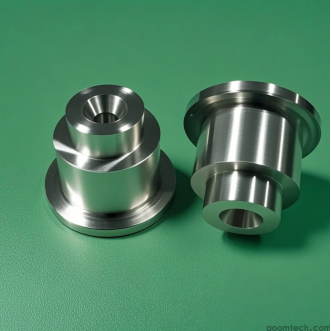
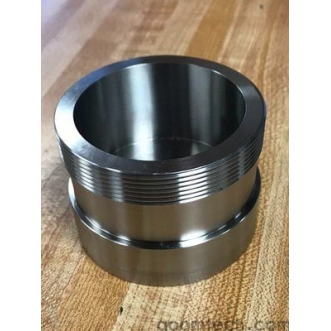
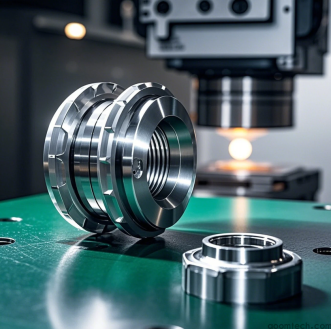
CNC turning is commonly used for cylindrical engine parts such as shafts, bushings, sleeves, and valve components. The process delivers excellent dimensional accuracy and surface quality.
CNC Milling Operations
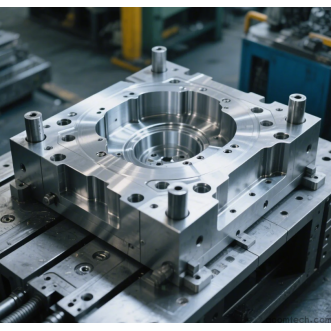
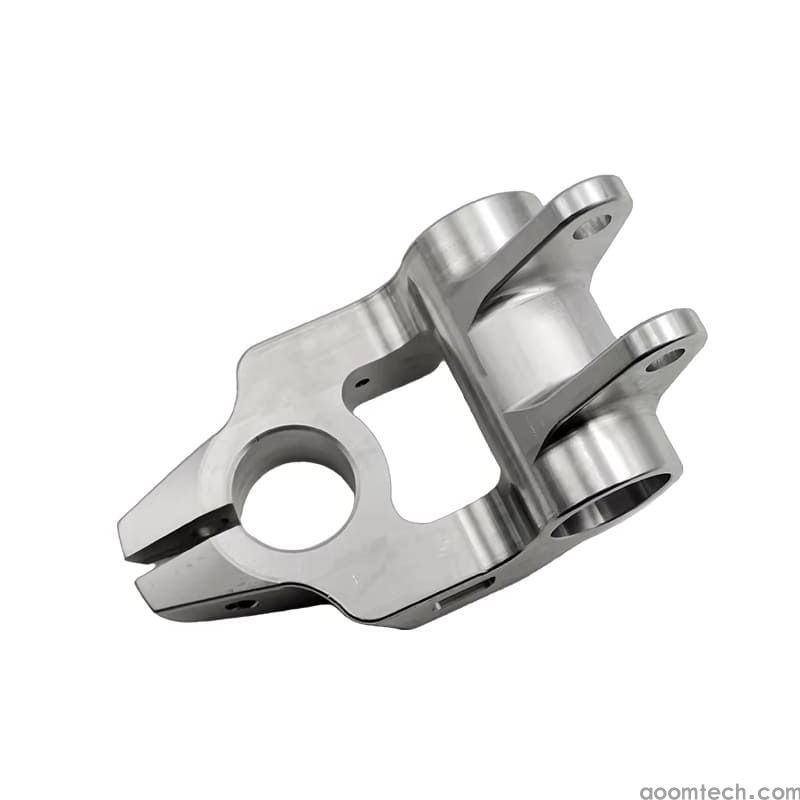
CNC milling creates complex features including pockets, channels, mounting surfaces, and precision holes. Multi-axis machining systems can produce intricate geometries often required in modern engine designs.
Drilling, Tapping, and Finishing
Additional machining processes create threaded holes, oil passages, cooling channels, and other functional features. Final finishing operations help achieve the required surface finish and dimensional accuracy.
Surface Treatment and Heat Treatment
Depending on application requirements, parts may undergo heat treatment, anodizing, plating, passivation, or other surface treatments to improve strength, wear resistance, and corrosion protection.
Material Selection for Engine Parts
Choosing the right material is essential for achieving the desired balance of strength, durability, weight, and cost.
Aluminum Alloys
Aluminum is widely used for engine housings, cylinder heads, intake manifolds, and lightweight components. It offers excellent machinability, good heat dissipation, and reduced overall engine weight.
Steel Alloys
Steel provides high strength and durability, making it suitable for crankshafts, connecting rods, shafts, and heavily loaded components.
Stainless Steel
Stainless steel offers excellent corrosion resistance and strength, making it suitable for specialized engine applications and harsh operating environments.
Cast Iron
Cast iron remains a popular material for engine blocks and certain heavy-duty applications because of its wear resistance and vibration damping properties.
Titanium Alloys
Titanium provides an excellent strength-to-weight ratio and is commonly used in high-performance automotive, racing, and aerospace engine applications.
Quality Control Measures for CNC Machining Services for Engine Parts
One of the biggest concerns when ordering engine components is ensuring that every part meets design specifications. Reliable suppliers implement strict quality control systems throughout the manufacturing process.
Material Verification
Raw materials are inspected and verified before machining begins to ensure compliance with customer specifications.
In-Process Inspection
Critical dimensions are checked during production to identify and correct deviations before they affect final quality.
Coordinate Measuring Machine (CMM) Inspection
CMM equipment measures complex geometries and verifies tight tolerances with high accuracy.
Surface Finish Inspection
Surface roughness measurements help ensure proper functionality, sealing performance, and wear resistance.
Final Quality Inspection
Before shipment, completed parts undergo comprehensive inspections to confirm compliance with engineering drawings and customer requirements.
These quality control procedures help reduce assembly issues, prevent unexpected failures, and improve product reliability.
Benefits of Custom-Made CNC Machining for Engine Parts
Standard components may not always meet specific application requirements. Custom-made CNC machining for engine parts allows manufacturers to produce parts tailored to unique designs and performance goals.
Support for custom geometries and dimensions
Improved compatibility with specialized engines
Enhanced performance optimization
Flexible prototype and production quantities
Faster design modifications
Better control over material selection
Reduced dependence on standard off-the-shelf components
Custom manufacturing is especially valuable for aftermarket parts, prototype development, performance upgrades, and specialized industrial engines.
How Cost-Efficient CNC Machining for Engine Parts Helps Control Production Costs
Many buyers focus only on the initial machining quote. However, the total cost of ownership includes durability, maintenance requirements, replacement frequency, and production downtime.
Cost-efficient CNC machining for engine parts focuses on optimizing the manufacturing process while maintaining quality. This can include:
Efficient machining strategies
Optimized material utilization
Reduced scrap rates
Improved production planning
Lower rework requirements
Consistent quality across production batches
Well-manufactured engine parts often reduce long-term operating expenses by improving reliability and extending service life.
Rapid CNC Machining for Engine Parts to Meet Tight Deadlines
Production delays can impact assembly schedules, customer deliveries, and project timelines. Many industries require fast turnaround for prototypes, replacement parts, and urgent production runs.
Rapid CNC machining for engine parts helps businesses respond quickly to changing market demands by offering:
Fast prototype production
Shorter development cycles
Quick design revisions
Flexible production quantities
Emergency replacement part manufacturing
Advanced CNC equipment and efficient production planning help shorten lead times without sacrificing quality.
Applications of CNC Machining Services for Engine Parts
Professional CNC machining services support a wide range of industries and engine systems.
Automotive engines
Motorcycle engines
Heavy-duty truck engines
Agricultural machinery engines
Construction equipment engines
Marine propulsion systems
Industrial power generation equipment
Aerospace engine components
Performance and racing engines
Each application has unique requirements for material selection, machining precision, and quality assurance.
How to Choose the Right CNC Machining Partner for Engine Parts
Selecting the right supplier is critical for project success. Before making a decision, evaluate the following factors:
Experience machining engine components
Advanced CNC equipment and capabilities
Material expertise
Quality management systems
Inspection and testing capabilities
Production capacity and scalability
Lead time performance
Engineering support and technical communication
A qualified supplier should provide both manufacturing expertise and practical recommendations that improve part performance, manufacturability, and cost efficiency.
Conclusion
CNC Machining Services for Engine Parts provide manufacturers with a reliable solution for producing high-performance components that meet demanding operational requirements. Through precise machining processes, careful material selection, strict quality control, and efficient production planning, CNC-machined engine parts can deliver excellent durability, accuracy, and long-term value.
To learn more, explore our engine part product catalog for available component solutions or visit our custom CNC machining service pages for detailed information about materials, tolerances, production capabilities, prototype support, and full-scale manufacturing services. Our engineering team is ready to help you find the best machining solution for your engine component project.
RELATED PRODUCTS
-
CNC Machining Services for Precision All
-
CNC Machining Services for Mold Products
-
CNC Machining Services for Steel Parts
-
Bearing CNC Machining Services
-
CNC Machining Services for Engine Parts
-
Custom CNC Machining for Gears
-
CNC Machining Services for High-Precisio
-
CNC Machining Services for Dust Removal
-
CNC Machining Services for Non-standard
-
CNC Machining for Valve Parts