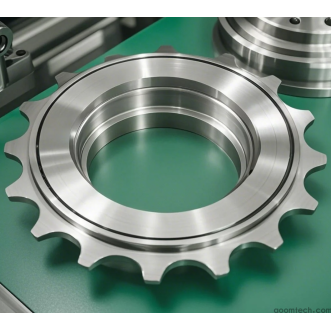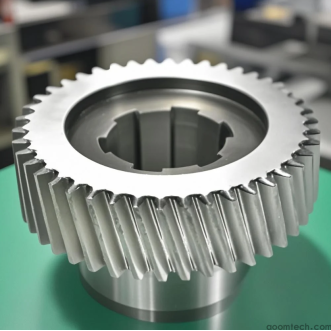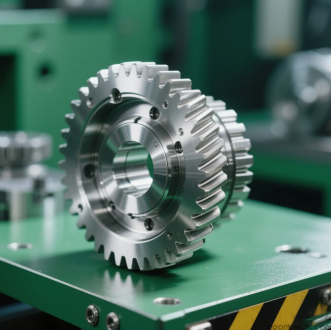
Custom CNC Machining for Gears
Custom CNC Machining for Gears: Precision Solutions for Reliable Power Transmission
Many manufacturers face serious challenges when sourcing Custom CNC Machining for Gears. A gear that is only slightly out of tolerance can cause vibration, noise, premature wear, and equipment failure. At the same time, many buyers struggle with high machining costs, inconsistent quality, and long lead times that delay production schedules.
Whether you need gears for industrial machinery, automotive systems, robotics, agricultural equipment, or automation devices, choosing the right machining partner is critical. Professional gear machining requires accurate dimensions, precise tooth profiles, strict quality control, and reliable delivery.
This guide explains how Custom CNC Machining for Gears helps solve these challenges and what factors you should consider before placing an order.
Why Precision Matters in Gear Manufacturing
Gears are responsible for transmitting power and motion between mechanical components. Even a small error in gear tooth geometry can reduce efficiency and shorten equipment life.
With high-precision custom CNC machining for gears, manufacturers can achieve tight tolerances, consistent tooth profiles, and excellent surface finishes. This helps ensure:
Smooth power transmission
Reduced noise and vibration
Longer service life
Improved equipment reliability
Lower maintenance costs
Modern CNC equipment allows precise control of every machining operation, helping maintain repeatable quality across both prototype and production batches.
Custom CNC Machining Process for Gears
1. Engineering Review and Design Verification
The process begins with reviewing customer drawings, 3D models, and performance requirements. Engineers evaluate gear specifications such as:
Module or diametral pitch
Number of teeth
Pressure angle
Outside diameter
Face width
Tolerance requirements
Operating environment
This step helps identify potential manufacturing challenges before production starts.
2. Material Preparation
Raw material is selected based on strength, wear resistance, corrosion resistance, and application requirements. Material traceability is important for industries with strict quality standards.
3. CNC Turning and Milling
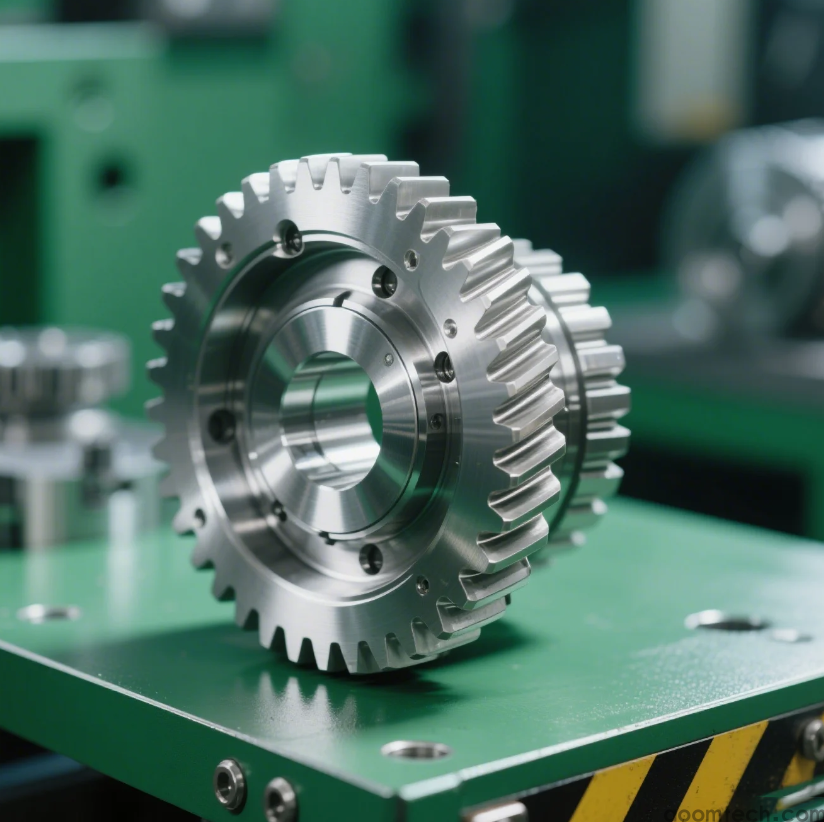
CNC lathes and machining centers create the gear blank with precise dimensions. Critical features such as bores, keyways, hubs, and mounting surfaces are machined before tooth cutting.
4. Gear Tooth Machining
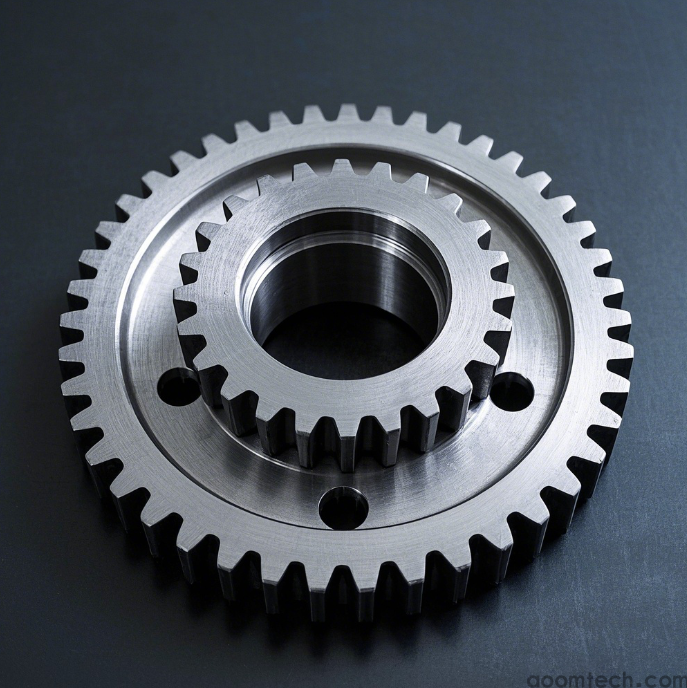
Specialized CNC gear cutting operations produce accurate tooth profiles. Depending on the gear type, processes may include hobbing, shaping, milling, or multi-axis machining.
5. Heat Treatment (When Required)
For demanding applications, gears may undergo heat treatment processes such as carburizing, nitriding, or induction hardening to improve wear resistance and load capacity.
6. Finishing and Inspection
Final machining, grinding, deburring, and inspection ensure the gear meets all dimensional and functional requirements before shipment.
Material Options for Custom CNC Machining for Gears
Selecting the proper material is one of the most important decisions in gear manufacturing.
Alloy Steel
Commonly used for high-load industrial applications due to its strength and durability.
Stainless Steel
Suitable for environments requiring corrosion resistance, such as food processing and marine equipment.
Carbon Steel
A practical choice for many general-purpose applications where cost control is important.
Aluminum
Lightweight and easy to machine, making it suitable for robotics, automation equipment, and lightweight assemblies.
Brass and Bronze
Often used where low friction, corrosion resistance, or quieter operation is desired.
Engineering Plastics
Materials such as POM, Nylon, and PEEK can provide low noise, low weight, and corrosion resistance for specialized applications.
Quality Control Measures That Protect Your Investment
One of the biggest concerns when ordering Custom CNC Machining for Gears is whether the finished parts will perform reliably in real-world applications.
Professional manufacturers implement strict quality control procedures throughout production.
Incoming material inspection
In-process dimensional verification
CMM measurement of critical features
Gear tooth profile inspection
Surface finish verification
Final inspection before shipment
Inspection reports upon request
These controls help reduce the risk of assembly problems, unexpected downtime, and costly production interruptions.
Benefits of High-Precision Custom CNC Machining for Gears
Choosing high-precision custom CNC machining for gears offers several advantages over standard off-the-shelf components.
Design flexibility for unique applications
Improved gear performance
Better compatibility with existing equipment
Reduced mechanical wear
Higher production efficiency
Support for prototype and production quantities
Consistent quality across multiple batches
Custom solutions are especially valuable when standard gears cannot meet specific torque, speed, space, or environmental requirements.
How Cost-Effective Custom CNC Machining for Gears Reduces Overall Expenses
Many buyers focus only on the initial machining price. However, the true cost of a gear includes maintenance, downtime, replacement frequency, and production efficiency.
Cost-effective custom CNC machining for gears focuses on optimizing the entire manufacturing process. This may include:
Material selection based on application needs
Efficient machining strategies
Reduced material waste
Optimized production scheduling
Design improvements that simplify manufacturing
Well-designed gears often provide longer service life, helping reduce total ownership costs over time.
Rapid Custom CNC Machining for Gears for Time-Sensitive Projects
Production delays can affect customer deliveries, project schedules, and revenue. Fast turnaround is often essential for prototype development, equipment repairs, and urgent production needs.
Rapid custom CNC machining for gears allows manufacturers to shorten lead times while maintaining quality standards. Modern CNC systems support:
Quick prototype production
Fast design adjustments
Small-batch manufacturing
Emergency replacement parts
Scalable production runs
This flexibility helps businesses respond more quickly to changing market demands.
Applications of Custom CNC Machined Gears
Custom gears are used in many industries where reliable power transmission is critical.
Industrial automation systems
Automotive components
Agricultural machinery
Construction equipment
Mining machinery
Robotics
Medical equipment
Packaging machinery
Energy systems
Aerospace equipment
Each application may require different materials, tolerances, heat treatments, and surface finishes.
How to Choose the Right Custom CNC Machining Partner for Gears
Before selecting a supplier, evaluate the following factors:
Experience with gear manufacturing projects
Available CNC machining capabilities
Quality management procedures
Inspection equipment and reporting capabilities
Material sourcing and traceability
Production capacity
Lead time reliability
Technical support and engineering assistance
A capable machining partner should not only manufacture parts but also provide practical recommendations that improve quality, reduce cost, and simplify production.
Conclusion
Custom CNC Machining for Gears provides manufacturers with precise, reliable, and application-specific solutions for power transmission systems. By focusing on proper material selection, advanced machining processes, strict quality control, and efficient production planning, businesses can obtain gears that meet demanding performance requirements while controlling costs and delivery schedules.
If you are evaluating gear manufacturing options, explore our gear product pages to view available gear solutions and visit our custom machining service pages for detailed information about materials, tolerances, production capabilities, and project support. Our engineering team can help you find the most suitable solution for your specific gear application.
RELATED PRODUCTS
-
CNC Machining Services for Precision All
-
CNC Machining Services for Mold Products
-
CNC Machining Services for Steel Parts
-
Bearing CNC Machining Services
-
CNC Machining Services for Engine Parts
-
Custom CNC Machining for Gears
-
CNC Machining Services for High-Precisio
-
CNC Machining Services for Dust Removal
-
CNC Machining Services for Non-standard
-
CNC Machining for Valve Parts