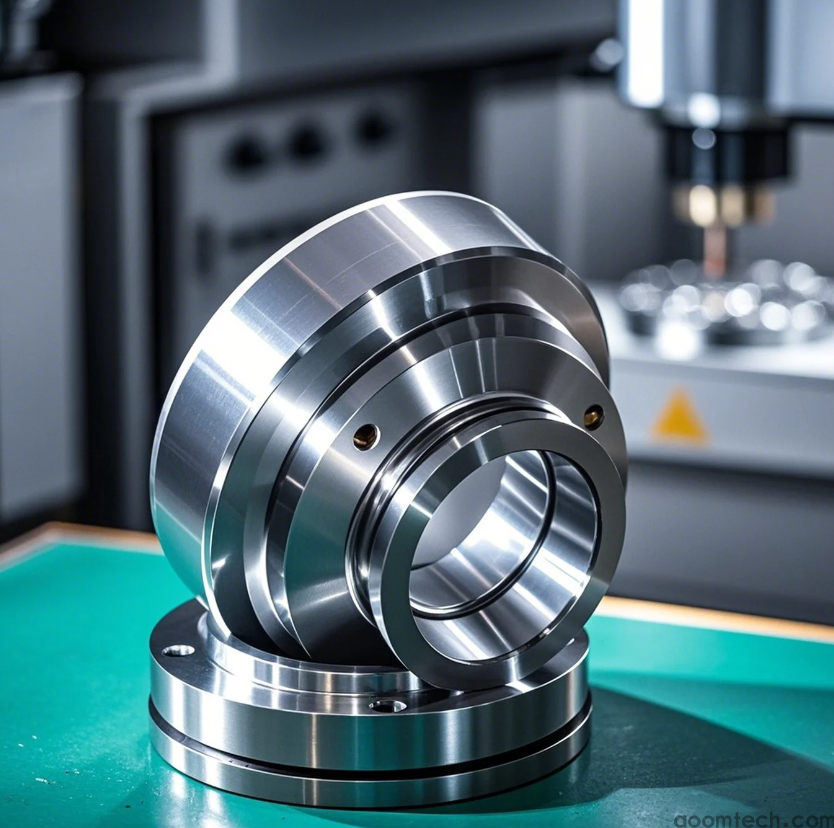
CNC Machining for Valve Parts
CNC Machining for Valve Parts
Finding a reliable supplier for CNC Machining for Valve Parts is not always easy. Many buyers face common problems such as poor machining accuracy, high production costs, and delayed delivery schedules. Even a small dimensional error can affect valve sealing performance, pressure control, and overall equipment safety. When valve parts do not meet specifications, businesses may experience leaks, system failures, costly maintenance, and production downtime.
Choosing an experienced CNC machining partner helps reduce these risks and ensures valve components meet strict industry requirements for performance and durability.
Why Precision Matters in Valve Parts Manufacturing
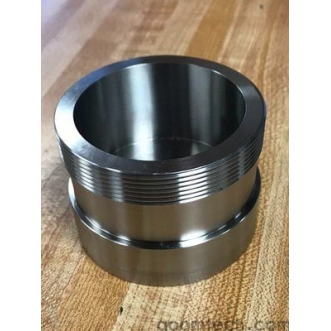
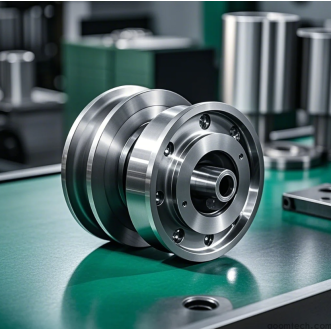
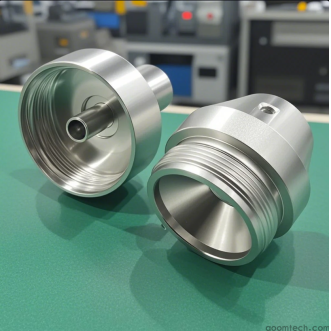
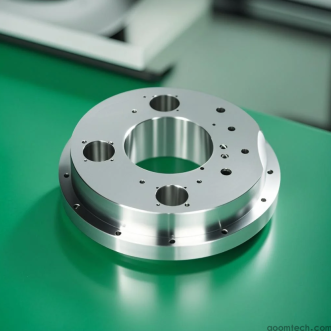
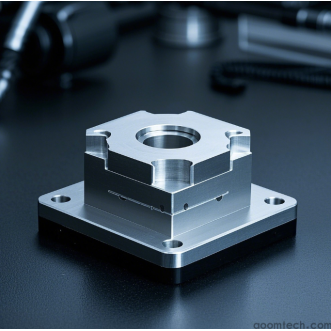
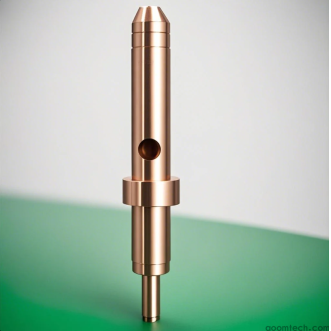
Valve components operate in demanding environments involving pressure, temperature changes, corrosive media, and continuous movement. Parts such as valve bodies, valve stems, valve seats, valve discs, and valve connectors require tight tolerances to function properly.
High-precision CNC machining for valve parts ensures that critical dimensions are manufactured accurately. This helps improve sealing performance, reduce fluid leakage, extend service life, and maintain stable operation under challenging conditions.
Improved sealing performance
Reduced leakage risks
Longer component lifespan
Better operational reliability
Lower maintenance costs
CNC Machining Process for Valve Parts
Professional CNC Machining for Valve Parts combines advanced machining technology with strict production procedures. The manufacturing process typically includes:
Engineering drawing and design review
Raw material selection
CNC turning and milling operations
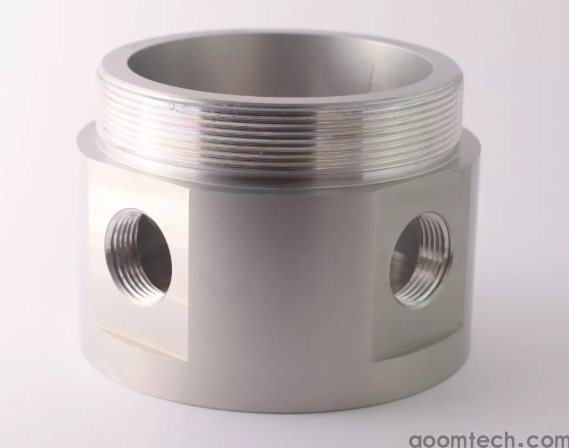
Precision drilling and threading
Surface finishing and treatment
Final inspection and testing
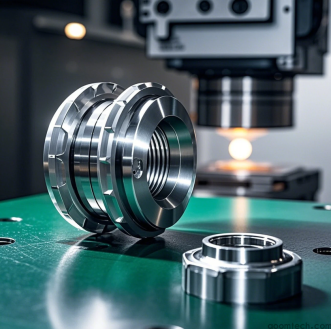
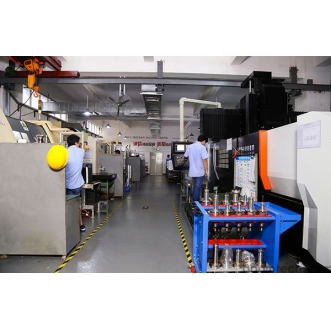
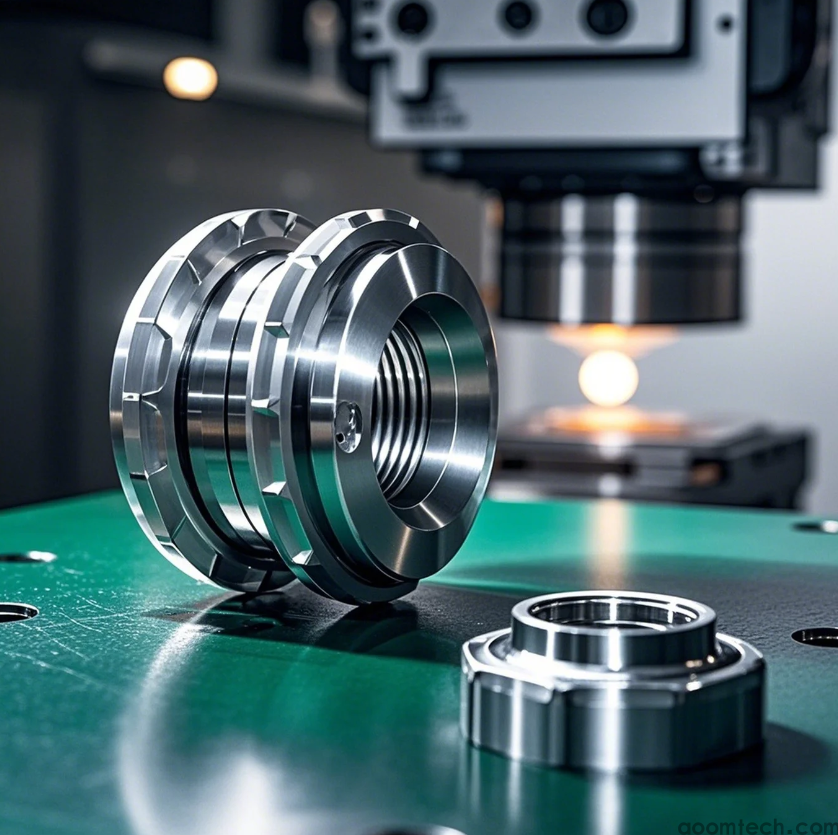
Modern CNC equipment allows manufacturers to produce complex valve geometries with excellent repeatability. This is especially important for industries such as oil and gas, chemical processing, water treatment, power generation, and industrial automation.
Material Selection for Valve Parts
Selecting the proper material directly affects valve performance and service life. Different applications require different levels of corrosion resistance, strength, and temperature tolerance.
Common materials used in custom CNC machining for valve parts include:
Stainless Steel: Excellent corrosion resistance and durability.
Carbon Steel: Suitable for general industrial applications.
Brass: Commonly used in water and low-pressure systems.
Aluminum: Lightweight and easy to machine.
Special Alloys: Designed for high-temperature or highly corrosive environments.
An experienced machining provider can recommend the most suitable material based on operating conditions and budget requirements.
Quality Control and Inspection
Valve parts must meet strict quality standards because they often operate in safety-critical systems. Reliable manufacturers implement comprehensive inspection procedures throughout production.
Quality control measures may include:
Incoming material verification
First article inspection
In-process dimensional checks
Coordinate Measuring Machine (CMM) inspection
Surface finish evaluation
Pressure and leak testing when required
These procedures help ensure every component meets design specifications before shipment.
Benefits of CNC Machining for Valve Parts
Compared with conventional manufacturing methods, CNC machining offers significant advantages for valve component production.
Consistent dimensional accuracy
Fast production for prototypes and large orders
Excellent repeatability between batches
Support for complex valve designs
Reduced material waste
Higher production efficiency
Through efficient CNC machining for valve parts, manufacturers can improve productivity while maintaining strict quality requirements.
Reducing Costs Without Sacrificing Quality
Many buyers are concerned about manufacturing costs. Professional CNC machining companies reduce expenses through optimized machining programs, automated production processes, efficient material utilization, and streamlined quality control systems.
These improvements help provide cost-effective CNC machining for valve parts while maintaining the precision and reliability required by industrial applications.
Summary and Related Services
CNC Machining for Valve Parts provides a reliable solution for producing high-quality valve components with precise dimensions, consistent performance, and long service life. By combining advanced machining technology, proper material selection, strict quality control, and efficient production methods, manufacturers can overcome common challenges such as poor accuracy, excessive costs, and delivery delays.
To learn more about our capabilities, visit our CNC Machining Services page or explore our Valve Parts Product Catalog for additional machining solutions and custom manufacturing options.
RELATED PRODUCTS
-
CNC Machining Services for Non-standard
-
CNC Machining for Valve Parts
-
CNC Machining Mechanical Parts Services
-
CNC Machining Joint Fittings Services
-
CNC Machined Flashlight Housings Service
-
CNC Non-Standard Parts Machining Service
-
CNC Machining Stainless Steel Parts Serv
-
CNC Machining Parts Customization Servic
-
CNC Machining Fogger Components Services
-
CNC Non-Standard Product Machining Servi