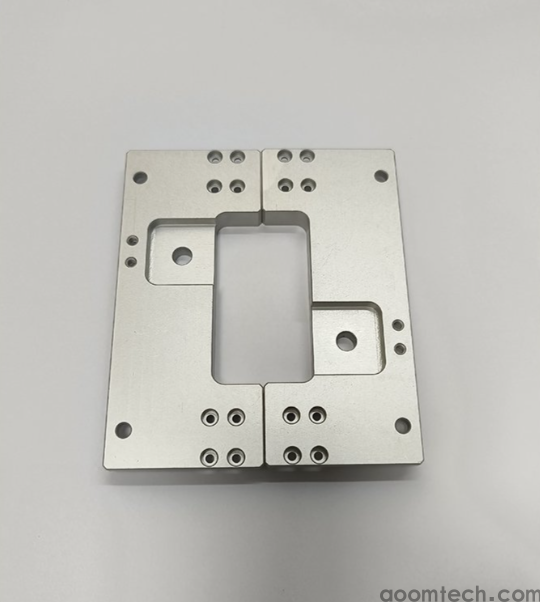
CNC Machining for Aluminum Sheets Services
CNC Machining for Aluminum Sheets Services
Many manufacturers choose aluminum sheets because they are lightweight, corrosion-resistant, and easy to fabricate. However, machining aluminum sheets presents several challenges. Thin sheets can deform during cutting, maintaining tight tolerances across large surfaces can be difficult, and poor machining strategies often result in scratches, burrs, or inconsistent surface finishes. For companies producing large quantities of aluminum sheet components, balancing precision, quality, and cost is often a major concern.
CNC machining for aluminum sheets services helps solve these issues by combining advanced CNC equipment, optimized machining techniques, and strict quality control procedures. Whether used for architectural panels, electronics enclosures, automotive body parts, or industrial equipment, CNC machining delivers accurate, repeatable, and cost-efficient results.
What Is CNC Machining for Aluminum Sheets?
CNC machining for aluminum sheets services involves using computer-controlled equipment to cut, drill, mill, engrave, and shape aluminum sheet materials according to precise engineering specifications. CNC technology allows manufacturers to produce complex sheet metal components with excellent consistency and minimal material waste.
Common aluminum sheet materials include:
Aluminum 5052
Aluminum 6061
Aluminum 3003
Aluminum 2024
Aluminum 7075
The choice of alloy depends on strength requirements, corrosion resistance, formability, and machining complexity.
Why Aluminum Sheets Are Popular for CNC Machining
Lightweight Properties
Aluminum weighs significantly less than steel while maintaining excellent structural strength. This makes it suitable for transportation, aerospace, and architectural applications.
Excellent Machinability
Most aluminum alloys can be machined at higher cutting speeds than many other metals, reducing production time and improving efficiency.
Corrosion Resistance
The natural oxide layer formed on aluminum helps protect components from environmental exposure and corrosion.
Design Flexibility
Aluminum sheets can be machined into complex shapes, cutouts, slots, and custom profiles while maintaining dimensional stability.
Recyclability
Aluminum is highly recyclable, making it a sustainable material choice for modern manufacturing projects.
Common CNC Machining Processes for Aluminum Sheets
CNC Routing
CNC routing is one of the most widely used processes for aluminum sheet machining. High-speed rotating tools precisely cut profiles, openings, and complex contours.
Typical applications include:
Architectural panels
Signage systems
Decorative aluminum components
Electronics enclosures
CNC Milling
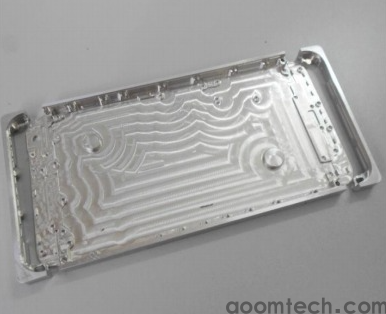
CNC milling removes material from aluminum sheets to create pockets, channels, mounting features, and precision surfaces.
This process is suitable for both prototype and production applications.
CNC Drilling
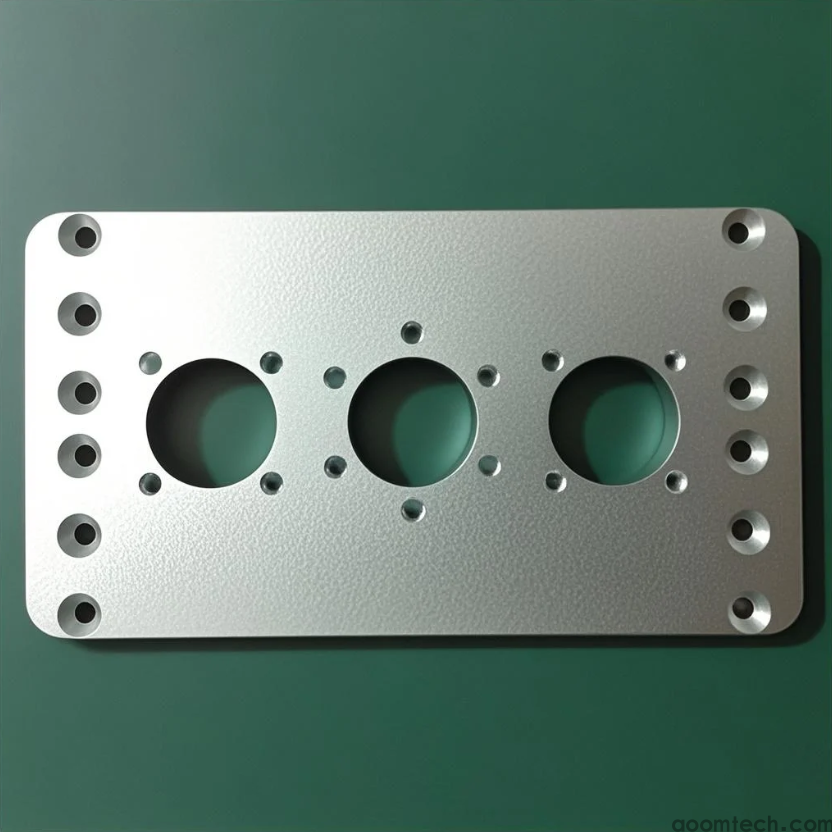
Drilling operations create accurate holes for fasteners, mounting systems, and assembly features. CNC drilling ensures consistent hole placement and repeatability.
CNC Engraving
Many manufacturers use CNC engraving to add logos, serial numbers, markings, and decorative patterns directly onto aluminum sheet surfaces.
High-Speed Machining
Modern CNC equipment often uses high-speed machining strategies to improve productivity while maintaining excellent edge quality and dimensional accuracy.
Precision CNC Machining for Aluminum Sheets in Architectural Applications
Precision CNC machining for aluminum sheets in architectural applications has become increasingly important as modern buildings incorporate more custom metal designs and decorative elements.
Architectural projects often require:
Large-format aluminum panels
Complex geometric patterns
Consistent dimensional accuracy
High-quality visible finishes
Weather-resistant performance
CNC machining enables architects and fabricators to create custom facades, perforated panels, cladding systems, decorative screens, and signage with exceptional precision.
Accurate machining also improves installation efficiency by ensuring proper alignment between components during assembly.
Advantages of CNC Machining for Aluminum Sheets in Electronics Enclosures
The advantages of CNC machining for aluminum sheets in electronics enclosures make it a preferred manufacturing solution for many technology companies.
Electronics products often require lightweight yet durable enclosures that provide protection while maintaining an attractive appearance.
Key benefits include:
Precise cutouts for connectors and ports
Excellent dimensional consistency
Improved heat dissipation
Attractive cosmetic finishes
Fast prototyping capabilities
Scalable production volumes
Examples include server chassis, control panels, communication equipment housings, battery enclosures, and industrial electronics cabinets.
Cost-Effective CNC Machining for Aluminum Sheets in Automotive Body Parts
Manufacturers seeking cost-effective CNC machining for aluminum sheets in automotive body parts often focus on reducing weight while maintaining production efficiency.
Automotive companies increasingly use aluminum to improve fuel efficiency and support electric vehicle development.
Common applications include:
Body panels
Battery enclosure components
Interior trim panels
Structural reinforcement parts
Protective covers and brackets
By using optimized machining strategies, manufacturers can reduce material waste, shorten production cycles, and lower overall manufacturing costs.
How Manufacturers Achieve Precision When Machining Aluminum Sheets
Maintaining precision is one of the biggest challenges when working with thin aluminum sheets. Improper machining parameters can cause vibration, distortion, or dimensional inaccuracies.
Proper Fixturing Systems
Vacuum tables, custom fixtures, and clamping systems help prevent movement and deformation during machining.
Optimized Cutting Parameters
Cutting speed, feed rate, and tool engagement must be carefully controlled to maintain accuracy while minimizing heat generation.
Specialized Cutting Tools
Tools designed specifically for aluminum reduce cutting forces and improve edge quality.
Advanced CNC Programming
Efficient toolpaths help minimize stress on thin sheet materials and improve dimensional consistency.
Surface Finish Considerations for Aluminum Sheet Components
Surface quality is often a critical requirement, especially for visible architectural products and consumer-facing applications.
Common concerns include:
Tool marks
Scratches
Burr formation
Uneven finishes
Surface contamination
Professional CNC machining providers address these challenges through proper tooling selection, optimized machining strategies, and post-processing techniques.
Popular Surface Finishes
Anodizing
Powder coating
Brushed finishes
Bead blasting
Polishing
Chemical conversion coating
These finishing options enhance both appearance and corrosion resistance.
Limitations of CNC Machining for Aluminum Sheets
While CNC machining offers numerous advantages, understanding its limitations helps ensure successful project planning.
Material Distortion Risk
Thin aluminum sheets may deform if fixturing and machining parameters are not properly controlled.
Higher Costs for Extremely Large Panels
Very large sheet components may require specialized equipment, increasing production costs.
Complex Geometry Constraints
Certain deep features or intricate internal shapes may require multiple setups or additional manufacturing processes.
Post-Processing Requirements
Some applications require additional finishing operations that add time and cost to the project.
Quality Control for CNC Machined Aluminum Sheets
Reliable CNC machining for aluminum sheets services depend on rigorous quality control procedures.
Material Verification
Incoming aluminum sheets are inspected to verify alloy type, thickness, and material certifications.
In-Process Inspection
Critical dimensions are measured throughout production to ensure compliance with engineering specifications.
CMM Measurement
Coordinate Measuring Machines verify dimensional accuracy and provide documented inspection results.
Visual Surface Inspection
Finished parts are inspected for scratches, dents, burrs, and cosmetic defects before shipment.
How to Choose the Right CNC Machining Partner
Selecting an experienced supplier is essential for achieving consistent quality and cost efficiency.
Important evaluation criteria include:
Experience with aluminum sheet machining projects
Advanced CNC equipment capabilities
Engineering and design support
Quality certifications
Surface finishing expertise
Production capacity and lead times
Inspection and testing capabilities
A knowledgeable machining partner can recommend process improvements that reduce costs while maintaining performance and quality requirements.
Conclusion
CNC machining for aluminum sheets services provides manufacturers with a reliable solution for producing lightweight, durable, and highly precise components. By combining proper machining strategies, quality control systems, and finishing processes, companies can achieve excellent dimensional accuracy and surface quality while maintaining cost efficiency.
Whether you require precision CNC machining for aluminum sheets in architectural applications, want to understand the advantages of CNC machining for aluminum sheets in electronics enclosures, or need cost-effective CNC machining for aluminum sheets in automotive body parts, partnering with an experienced CNC machining provider can help ensure successful project outcomes from prototype development to full-scale production.
RELATED PRODUCTS
-
CNC Machined Transmission Worm Gears Ser
-
CNC Machined Sensor Components Services
-
CNC Precision Metal Machining Services
-
CNC Machining Production Services
-
CNC Lighting Housing Processing Services
-
Cost-Optimized CNC Turning Services
-
CNC Contract Manufacturing Services
-
CNC Large Part Machining Services
-
Precision Copper CNC Machining Services
-
CNC Copper Machining Services