


Which manufacturer is the best for mass CNC machining of parts
Which Manufacturer is the Best for Mass CNC Machining of Parts
Choosing which manufacturer is the best for mass CNC machining of parts is an important decision for any business that relies on precision components. CNC (Computer Numerical Control) machining is widely used in industries such as automotive, aerospace, electronics, medical devices, and industrial equipment. When production moves from small batches to mass production, the choice of manufacturer directly affects product quality, cost, delivery speed, and long-term business success.
Mass-produced CNC parts must meet strict standards because even small errors can cause performance failures in final products. For example, in the automotive industry, engine components must be highly precise to ensure safety and efficiency. In electronics, tiny machined parts must fit perfectly to support device functionality. This is why selecting the right partner is not just a purchasing decision—it is a strategic business decision.
Factors to Consider When Evaluating a Manufacturer for Mass CNC Machining
Production Capacity
One of the most important factors for choosing mass CNC machining parts manufacturer is production capacity. A manufacturer must be able to handle large-volume orders consistently without delays or quality loss.
Key points to evaluate include:
Number of CNC machines available
Daily, monthly, or yearly production output
Ability to scale production quickly
Automation level in production lines
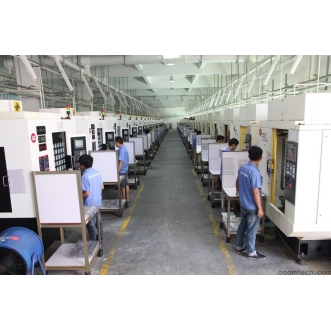
A strong mass-production manufacturer often operates multiple automated CNC machining centers running 24/7. This ensures stable output and shorter lead times for large orders.
Quality Assurance
Quality control is critical in mass production. A reliable manufacturer must have a strict quality assurance system covering every stage of production.
This includes:
Raw material inspection before machining
In-process inspections during production
Final product testing using advanced tools such as CMM (Coordinate Measuring Machines)
Clear handling procedures for defective parts
Certifications like ISO 9001 demonstrate that the manufacturer follows internationally recognized quality standards. In mass CNC machining, consistent quality is more important than occasional high precision.
Technical Expertise and Experience
Experience is a strong indicator of reliability. Manufacturers with long-term involvement in CNC machining understand material behavior, tooling strategies, and production optimization.
When evaluating experience, consider:
Years in CNC manufacturing business
Industries served (automotive, aerospace, electronics, etc.)
Complexity of past mass production projects
Experienced manufacturers can solve production challenges faster and reduce risks during large-scale manufacturing.
Cost-Effectiveness
Cost is always a major consideration, but the lowest price is not always the best option. The goal is to achieve the best balance between cost and quality.
Important cost factors include:
Raw material sourcing
Machining efficiency
Labor and automation levels
Scrap and defect rates
It is recommended to request detailed quotations that break down all costs. In mass production, even small cost differences per unit can significantly impact total project cost.
Equipment and Technology
Modern CNC machining depends heavily on advanced equipment. High-performance machines improve speed, accuracy, and repeatability.
Leading manufacturers typically use:
5-axis CNC machining centers
High-speed milling machines
Automated turning systems
Integrated CAD/CAM software systems
Advanced technology not only improves precision but also reduces production time, making large-scale manufacturing more efficient.
Supply Chain Management
A stable supply chain is essential for uninterrupted mass production. A good manufacturer must ensure continuous availability of raw materials and tooling.
Strong supply chain management includes:
Multiple qualified suppliers for raw materials
Efficient inventory management systems
Risk control strategies for shortages or delays
Manufacturers with strong supply chains can maintain consistent production even during global disruptions.
Customer Service and Communication
Good communication is often overlooked but extremely important in mass production projects. Manufacturers must provide regular updates and respond quickly to changes.
Effective communication includes:
Production progress updates
Fast response to design changes
Transparent issue reporting
Strong customer service ensures smoother cooperation and reduces production misunderstandings.
Types of Manufacturers Suitable for Mass CNC Machining of Parts
Large-Scale Industrial Manufacturers
Large-scale manufacturers are often the first choice for high-volume CNC production. These companies operate extensive factories with hundreds or even thousands of machines.
Advantages include:
High production capacity
Advanced automation systems
Strong quality control infrastructure
However, they may be less flexible for small customization requests and may require longer setup times.
Specialty CNC Production Shops
Specialty manufacturers focus on specific industries such as aerospace, medical, or automotive components. These companies provide highly optimized production processes for particular part types.
Advantages include:
Deep technical expertise in niche areas
High precision for specialized components
Faster setup for repeated part types
These manufacturers are ideal when parts require strict tolerances or specialized materials.
Well-Regarded Manufacturers for Mass CNC Machining of Parts
DMG MORI
:contentReference[oaicite:0]{index=0} is one of the global leaders in CNC machine tools and manufacturing solutions. The company is known for its advanced 5-axis machining centers and high-precision production systems.
DMG MORI equipment is widely used in industries such as aerospace, automotive, and medical manufacturing. Their machines are designed for high-speed, high-accuracy mass production, making them a strong choice for companies needing reliable and scalable CNC machining solutions.
Haas Automation
:contentReference[oaicite:1]{index=1} is one of the largest CNC machine tool manufacturers in the United States. Haas machines are known for their reliability, affordability, and ease of operation.
Many manufacturing plants use Haas CNC machines for large-scale production because they offer a good balance between cost and performance. Their wide product range supports milling, turning, and multi-axis machining, making them suitable for diverse mass production needs.
Yamazaki Mazak
:contentReference[oaicite:2]{index=2} is a highly respected manufacturer with a long history in CNC technology. The company provides advanced machining centers, automation systems, and integrated production solutions.
Mazak is well known for innovation in automation and smart manufacturing systems. Their equipment is widely used in high-volume industries where precision and efficiency are critical.
Jabil
:contentReference[oaicite:3]{index=3} is a global manufacturing services company that offers large-scale production capabilities, including CNC machining for precision components.
Jabil supports industries such as healthcare, automotive, and consumer electronics. Their strength lies in combining engineering expertise with global production capacity, making them suitable for complex mass manufacturing projects.
Conclusion: Making an Informed Decision for Mass CNC Machining
Choosing which manufacturer is the best for mass CNC machining of parts depends on multiple factors, including production capacity, quality assurance systems, technical expertise, cost efficiency, equipment, supply chain strength, and customer communication.
When applying types of manufacturers for mass CNC part machining, businesses must decide between large-scale industrial manufacturers and specialized CNC shops based on project requirements. Both types have unique advantages depending on production complexity and volume.
Global leaders such as DMG MORI, Haas Automation, Yamazaki Mazak, and Jabil demonstrate how advanced technology and strong manufacturing systems support reliable mass production.
To make the best decision, companies should:
Request sample parts before large orders
Visit manufacturing facilities if possible
Compare detailed quotations from multiple suppliers
Check customer references and past projects
By carefully evaluating these factors, businesses can build long-term partnerships with reliable manufacturers and ensure stable, high-quality mass CNC production for years to come.
 How to Ensure Precision in CNC
 Small Batch Precision CNC Mach
 What surface finish can CNC ma
 CNC Machining Tolerance Settin