


Which supplier is good for CNC machining of automotive parts
Which Supplier is Good for CNC Machining of Automotive Parts
Keyword Focus: Which supplier is good for CNC machining of automotive parts
Introduction to Choosing a Supplier for CNC Machining of Automotive Parts
The Importance of Selecting the Right Supplier
Choosing the right supplier for CNC (Computer Numerical Control) machining of automotive parts is extremely important in the automotive industry. Automotive components must meet very strict requirements for precision, durability, safety, and consistency. Even a small defect in a machined part can lead to serious consequences, such as engine failure, transmission problems, or brake system malfunction.
For example, a poorly machined engine component may reduce engine efficiency or cause overheating. A low-quality brake caliper part can directly affect vehicle safety and increase the risk of accidents. This is why manufacturers must carefully evaluate suppliers before making long-term partnerships.
In simple terms, the question “Which supplier is good for CNC machining of automotive parts” depends on several key factors such as experience, quality systems, equipment, and service capability.
Key Qualities of Good Automotive CNC Machining Suppliers
Experience and Expertise
One of the most important qualities of good automotive parts CNC machining suppliers is experience. A supplier with many years in the industry understands material behavior, machining techniques, and automotive standards.
Experienced suppliers are more likely to handle complex parts such as engine housings, gearbox components, and suspension parts. You can evaluate experience by checking:
Years in CNC machining business
Types of automotive parts produced
Customers served (OEM, Tier 1, aftermarket)
Suppliers that work with major automotive brands usually have stronger technical capabilities and stable production systems.
Quality Assurance and Certifications
A reliable supplier must have a strong quality control system. In automotive manufacturing, quality is not optional—it is mandatory.
Important certifications include:
ISO 9001 – General quality management system
IATF 16949 – Automotive industry quality standard
Good suppliers use advanced inspection tools such as Coordinate Measuring Machines (CMM), hardness testers, and surface profilometers. They also perform in-process inspection and final inspection to ensure every part meets specifications.
Range of Services and Manufacturing Capabilities
A strong CNC supplier should offer a full range of machining services, including milling, turning, drilling, grinding, and surface finishing.
Additional advantages include:
Prototype development
Design support (DFM analysis)
Assembly services
Multi-material machining (aluminum, steel, magnesium, composites)
A supplier with broad capability can reduce supply chain complexity by handling multiple processes in one place.
Advanced CNC Equipment
Modern automotive parts require high precision. Therefore, advanced CNC machines are essential.
High-quality suppliers typically use:
5-axis CNC machining centers for complex geometries
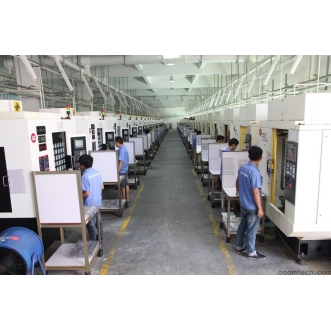
High-speed milling machines for efficiency
Automated turning centers for mass production
These machines help achieve tighter tolerances, better surface finish, and faster production cycles.
Cost-Effectiveness and Transparency
A good supplier should offer competitive pricing without reducing quality. Transparent pricing is also important, including clear breakdowns for materials, machining time, finishing, and inspection costs.
It is not always best to choose the cheapest option. A slightly higher-cost supplier may offer better long-term value due to fewer defects, stable delivery, and lower rework costs.
Customer Service and Communication
Strong communication is a key factor in successful CNC machining projects. Reliable suppliers provide regular updates, respond quickly to design changes, and clearly explain production progress.
Good communication reduces misunderstandings and helps ensure that parts are delivered on time and meet expectations.
Types of Suppliers for Automotive CNC Machining
Large-Scale Tier 1 Suppliers
Types of suppliers for automotive CNC machining often include Tier 1 suppliers. These companies provide components directly to automobile manufacturers.
Examples include:
:contentReference[oaicite:0]{index=0}
:contentReference[oaicite:1]{index=1}
:contentReference[oaicite:2]{index=2}
Advantages:
Advanced manufacturing systems
High production capacity
Strict quality standards
However, they may not be flexible for small orders or rapid prototyping.
Specialty CNC Machining Shops
Specialty machining suppliers focus on specific automotive parts or niche technologies. They are often smaller but highly skilled.
They are ideal for:
High-precision custom parts
Low-volume production
Complex geometries or difficult materials
These suppliers are often more flexible and responsive compared to large-scale manufacturers.
Online CNC Machining Platforms
Online platforms connect customers with multiple CNC suppliers worldwide, offering fast quoting and easy access.
Well-known platforms include:
:contentReference[oaicite:3]{index=3}
:contentReference[oaicite:4]{index=4}
Advantages include quick pricing, global supplier access, and convenient ordering. However, quality consistency may vary, so careful supplier evaluation is necessary.
Well-Known Suppliers for CNC Machining Automotive Parts
:contentReference[oaicite:5]{index=5}
Founded in 1886, Bosch is one of the most recognized automotive suppliers in the world. It produces a wide range of automotive components, including engine systems, electronic control units, and precision-machined parts.
Its strengths include advanced engineering capabilities, strong R&D investment, and global production networks. Bosch is widely trusted by major automakers for high-quality and reliable components.
:contentReference[oaicite:6]{index=6}
DENSO is a leading global supplier of automotive technology and systems. It specializes in precision components for engine control, thermal systems, and electrification technologies.
The company is known for strong quality control, innovation, and long-term partnerships with major vehicle manufacturers worldwide.
:contentReference[oaicite:7]{index=7}
Magna is one of the largest automotive suppliers in the world, offering a wide range of manufacturing and engineering services. It produces structural components, powertrain systems, and body parts for global automakers.
Magna is known for large-scale production capacity, advanced manufacturing technologies, and strong global presence.
Conclusion: Making the Right Choice
Summary and Tips for Selection
When asking “Which supplier is good for CNC machining of automotive parts”, the answer depends on evaluating several key factors: experience, quality assurance, manufacturing capabilities, cost efficiency, and communication.
To make the best decision, consider the following practical tips:
Visit the supplier’s facility if possible
Request product samples or prototypes
Check certifications such as IATF 16949
Review past customer references
Compare long-term value, not just price
Choosing the right partner is not just about finding a supplier—it is about building a long-term relationship that ensures stable quality, continuous improvement, and reliable production for automotive CNC machined parts.
 How to Ensure Precision in CNC
 Small Batch Precision CNC Mach
 What surface finish can CNC ma
 CNC Machining Tolerance Settin