


Process for Custom CNC Machining of Precision Stainless Steel Parts
Why Stainless Steel Needs Experienced Machining
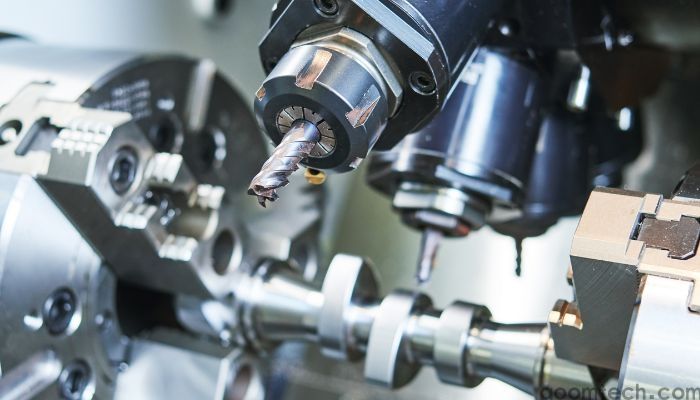
Stainless steel is a workhorse material. It resists corrosion, handles high temperatures, and has excellent mechanical properties. But it also work-hardens, generates high cutting forces, and can produce stringy chips that are difficult to manage.
I tell clients who are new to stainless: the material choice is right for the application, but the machining approach has to be right too. Use the wrong feeds and speeds, and you'll scrap the part before you finish the first pass.
Our Approach to Stainless Steel
We machine 304, 316, and 17-4PH stainless steel regularly. Each grade behaves differently. 304 is the most common but work-hardens aggressively. 316 has better corrosion resistance but is gummier to cut. 17-4PH can be machined in the annealed state and then hardened to high strength.
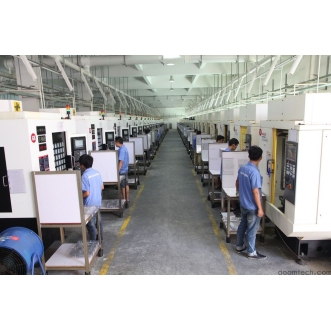
Our 5-axis milling and turning centers are set up with rigid toolholding and positive-rake inserts. High-pressure coolant keeps the cut zone clear and prevents the chips from welding to the tool. Feeds and speeds are selected to keep the material in the cut — never let the tool rub. Rubbing is what causes work hardening.
Surface Finish Options
We achieve Ra 0.8 μm mirror finishes on stainless with the right combination of toolpath and wiper insert geometry. For applications that need a matte finish, bead blasting or electropolishing is available. One food-processing client specified Ra 0.4 μm for a valve bore — the smooth finish prevents bacterial buildup.
Applications Across Industries
Medical: surgical instruments and implant components requiring corrosion resistance and biocompatibility. Food processing: hygienic fittings and sanitary pipe connectors. Energy: valve bodies and pump components exposed to aggressive media. Automotive: fuel system parts and turbocharger housings that see high temperatures.
Our ISO 9001-certified processes ensure every stainless steel part meets or exceeds the specification. We provide full material traceability and inspection reports with every order.
Send your CAD files to chen@aoomtech.com for a quote within 24 hours.
 How to Ensure Precision in CNC
 Small Batch Precision CNC Mach
 What surface finish can CNC ma
 CNC Machining Tolerance Settin