


Non-standard CNC Precision Parts Machining
Manufacturer of CNC Precision Parts Machining
Introduction to Manufacturer of CNC Precision Parts Machining
A Manufacturer of CNC Precision Parts Machining plays an important role in modern industrial production. These manufacturers use Computer Numerical Control (CNC) technology to produce highly accurate and reliable mechanical parts. CNC machines follow digital instructions to cut, shape, and finish raw materials into precise components.
In today’s global manufacturing world, industries such as aerospace, automotive, medical devices, electronics, and robotics depend heavily on these manufacturers. The reason is simple: modern products require extremely tight tolerances and consistent quality. Even a small error in a part can lead to performance issues or safety risks.
This article explains the significance of CNC precision parts machining manufacturers, their operations, benefits, challenges, and how to choose the right partner for your project.
Significance of CNC Precision Parts Machining Manufacturers
Meeting High-Precision Industry Demands
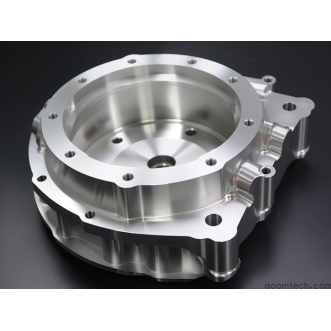
Industries like aerospace and medical technology require parts with extremely high accuracy. A Manufacturer of CNC Precision Parts Machining is capable of producing components within very tight tolerances, often measured in microns.
For example, turbine blades used in aircraft engines must be manufactured with perfect balance and shape. Even a tiny deviation can affect engine efficiency and safety. CNC precision manufacturers ensure these parts meet strict engineering standards through advanced machining and inspection systems.
Enabling Complex Design Production
Modern products often include complex shapes that cannot be made using traditional methods. CNC manufacturers can turn digital designs into real parts with high accuracy.
For example, in the electronics industry, a custom-designed device housing may include internal channels, thin walls, and precise cutouts. A professional manufacturer can produce these complex structures accurately using multi-axis CNC machines.
Operations of a CNC Precision Parts Machining Manufacturer
Order and Design Handling
The operations of a CNC precision parts machining manufacturer begin with receiving customer requirements. Engineers review CAD drawings or 3D models to understand design needs. If necessary, they suggest improvements to make the part easier and more cost-effective to manufacture.
Material Selection and Procurement
Different materials such as aluminum, stainless steel, titanium, or engineering plastics are selected based on performance needs. Material quality directly affects the final product. For example, titanium requires special cutting tools due to its hardness and heat resistance.
CNC Programming and Machine Setup
Engineers convert design files into CNC programs that control machine movements. These programs define cutting paths, speed, and tool selection. Machines are then set up with correct tools and fixtures to ensure accuracy during production.
Machining Processes
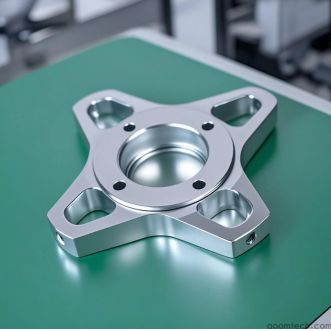
Milling: Used to create flat surfaces, grooves, and complex shapes. Cooling fluids are applied to reduce heat and improve precision.
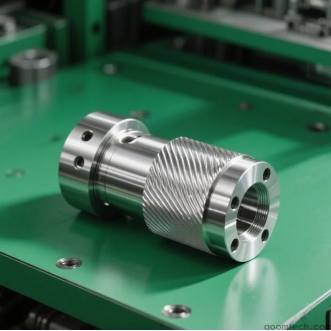
Turning: The material rotates while a cutting tool shapes it into cylindrical forms. It is commonly used for shafts and rings.
Drilling and Grinding: Drilling creates precise holes, while grinding is used for fine surface finishing and extremely tight tolerances.
Quality Control and Inspection
Quality control is essential in every step. Manufacturers use advanced tools such as Coordinate Measuring Machines (CMM), optical devices, and surface testers. These tools ensure each part meets design requirements.
For example, if a CMM detects a small dimensional error, the production process is adjusted immediately to avoid further defects.
Benefits of Choosing a CNC Precision Parts Machining Manufacturer
The benefits of choosing a CNC precision parts machining manufacturer are significant for businesses that require accuracy and reliability.
High precision and consistency: CNC machines produce identical parts with very small tolerances.
Cost efficiency: Large production runs reduce per-unit costs.
Complex design capability: Advanced machines can produce detailed and intricate structures.
Technical expertise: Engineers provide support in design optimization and material selection.
For example, medical device companies rely on CNC manufacturers to produce consistent surgical tool components that must perform safely and reliably in every use.
Services Provided by a CNC Precision Parts Machining Manufacturer
A professional Manufacturer of CNC Precision Parts Machining typically offers a wide range of services, including:
Custom CNC machining for prototypes and production parts
Material sourcing and consultation
Design optimization and engineering support
Surface treatment such as polishing or coating
Quality inspection and testing services
Challenges Faced by a CNC Precision Parts Machining Manufacturer
The challenges faced by a CNC precision parts machining manufacturer are important to understand in order to appreciate the complexity of this industry.
High Equipment and Maintenance Costs
CNC machines are expensive and require regular maintenance to ensure precision. Calibration and repair costs can significantly affect operational budgets.
Skilled Labor Shortage
Qualified CNC programmers and machinists are in high demand. Training new staff takes time and resources, making workforce management a challenge.
Time Pressure and Cost Control
Manufacturers often face tight delivery deadlines while maintaining high precision standards. Balancing speed, cost, and quality is a constant challenge.
How to Select a CNC Precision Parts Machining Manufacturer
Choosing the right partner is critical for project success. The how to select a CNC precision parts machining manufacturer process should consider several important factors.
Experience and Reputation
Look for manufacturers with proven experience in your industry. A strong track record indicates reliability and technical capability.
Equipment and Technology
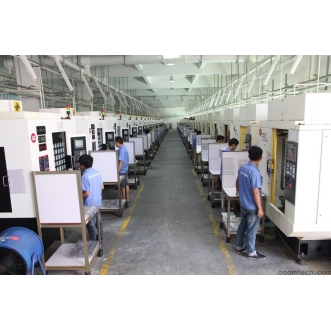
Modern CNC machines, especially multi-axis systems, are essential for producing complex and precise parts.
Quality Management System
A reliable manufacturer should follow strict quality standards such as ISO certification and use advanced inspection systems.
Qualities of a Good Manufacturer
Strong engineering support
Consistent product quality
Clear communication
On-time delivery performance
Reasons to Choose a Specific Manufacturer
Businesses often select suppliers based on technical capability, pricing, reliability, and customer service. A trusted partner reduces production risks and ensures long-term success.
Conclusion: Partnering with the Right CNC Precision Parts Machining Manufacturer
A Manufacturer of CNC Precision Parts Machining is essential in today’s advanced manufacturing world. They support industries by delivering accurate, reliable, and high-quality components used in critical applications.
Understanding their operations, benefits, and challenges helps businesses make better decisions. When selecting a partner, always consider experience, technology, quality systems, and communication ability.
By carefully evaluating these factors, companies can build strong partnerships that lead to better product performance, reduced costs, and long-term success.
 How to Ensure Precision in CNC
 Small Batch Precision CNC Mach
 What surface finish can CNC ma
 CNC Machining Tolerance Settin