


CNC Precision Machining Parts Factory
Introduction to CNC Precision Machining Parts Factory
A CNC Precision Machining Parts Factory is a modern manufacturing facility that uses computer-controlled machines to produce highly accurate mechanical parts. CNC stands for Computer Numerical Control, which means machines follow digital instructions to cut, shape, and finish materials with very high precision.
These factories are essential in today’s global manufacturing world. They provide key components used in industries such as automotive, aerospace, medical devices, electronics, and industrial machinery. Without CNC precision parts, many modern products would not function correctly or safely.
In simple terms, a CNC Precision Machining Parts Factory turns raw materials like metal or plastic into finished, highly accurate parts based on customer designs.
Operations of a CNC Precision Machining Parts Factory
Order Processing and Design Collaboration
The first step in the operations of a CNC precision machining parts factory is receiving customer orders. These orders usually include technical drawings, CAD (Computer-Aided Design) files, or detailed specifications.
Engineers in the factory review these designs and may work closely with customers to improve manufacturability. For example, a customer once submitted a complex bracket design. The factory suggested small shape adjustments that reduced machining time by 20% while keeping full functionality and precision.
Material Procurement and Quality Assurance
After design approval, the factory selects suitable materials such as aluminum, stainless steel, brass, or engineering plastics.
Material quality is extremely important. For example, low-purity steel may contain impurities that reduce strength and cause part failure under stress. Therefore, factories perform strict incoming inspections to ensure materials meet industrial standards before production begins.
CNC Programming and Machine Setup
Engineers then convert design files into CNC programs. These programs define tool paths, cutting speeds, and machine movements.
For example, a complex aerospace component may require thousands of precise tool movements. Programmers simulate the process digitally before production to avoid errors. Once ready, machines are carefully set up with tools, fixtures, and calibration settings to ensure accuracy.
Machining Processes
Milling
Milling uses rotating cutting tools to remove material and create shapes like slots, holes, and flat surfaces. Operators adjust speed, feed rate, and cutting depth based on material type to ensure high precision and smooth surface finish.
Turning
Turning is used for cylindrical parts. The material rotates while the cutting tool shapes it. Accuracy is controlled by precise feed rates and tool positioning, making it ideal for shafts, rods, and bushings.
Drilling and Boring
Drilling creates holes, while boring refines and enlarges them. High-precision tools ensure correct size and position. Even small deviations can affect assembly performance in final products.
Quality Control and Inspection
Quality control is a critical part of a CNC Precision Machining Parts Factory. Every part is measured using tools such as calipers, micrometers, and Coordinate Measuring Machines (CMM).
For example, a CMM machine may detect a 0.02mm deviation in a medical component. The factory will then adjust machine calibration or tool wear settings to correct the issue immediately, ensuring consistent product quality.
Benefits of a CNC Precision Machining Parts Factory
High Precision and Quality
One major advantage is extremely high accuracy. A well-managed CNC Precision Machining Parts Factory can produce parts with tolerances as tight as ±0.01mm.
For example, medical implant components must fit the human body perfectly. CNC technology ensures every part is consistent and safe for use.
Complex Part Production
Another benefit is the ability to produce complex shapes that are difficult or impossible with traditional methods.
For example, a custom hydraulic part with internal channels and curved surfaces can be manufactured accurately using multi-axis CNC machines.
Cost-Effectiveness for Medium to Large Batches
Once programming and setup are complete, production becomes very efficient. This makes CNC machining cost-effective for medium and large production runs.
For instance, an industrial equipment company reduced production costs by 30% by outsourcing to a CNC factory instead of using manual machining methods.
Challenges Faced by a CNC Precision Machining Parts Factory
Advanced Equipment and Maintenance
CNC machines are expensive and require regular maintenance. If a machine breaks down, production can stop.
For example, one factory experienced a delay due to spindle failure. After that, they implemented preventive maintenance schedules to avoid future breakdowns.
Skilled Labor Requirement
Operating a CNC Precision Machining Parts Factory requires skilled engineers, programmers, and inspectors. Training and retaining talent is a constant challenge.
Some factories solve this by offering training programs and automation tools to reduce manual programming workload.
Meeting Tight Deadlines
Customers often require fast delivery. Balancing speed with precision is difficult.
Factories must carefully schedule machines and optimize workflows to meet urgent orders without reducing quality.
How to Select a CNC Precision Machining Parts Factory
Check Experience and Reputation
When learning how to select a CNC precision machining parts factory, experience is one of the most important factors. A factory with years of experience understands different materials, industries, and design challenges.
For example, a company producing automotive components should choose a factory with proven automotive machining experience to ensure reliability.
Evaluate Equipment and Technology
Modern equipment improves precision and efficiency. Look for factories with multi-axis CNC machines, automated systems, and advanced software.
For example, a customer with a complex aerospace design chose a factory with 5-axis CNC machines, which significantly improved accuracy and reduced production time.
Review Quality Control Measures
A reliable factory must have strong quality systems such as ISO 9001 certification and strict inspection processes.
Factories with advanced quality control reduce the risk of defects and ensure every part meets customer requirements.
Services Offered by a CNC Precision Machining Parts Factory
A professional CNC Precision Machining Parts Factory usually provides a wide range of services, including:
Custom part design support and engineering consultation
CNC milling, turning, drilling, and grinding
Prototype development and small batch production
Mass production for industrial use
Surface finishing such as polishing, anodizing, or coating
Quality inspection and measurement reports
These services help customers complete projects from concept to final product efficiently.
Conclusion: Making the Right Choice
Choosing the right CNC Precision Machining Parts Factory is important for product quality, cost efficiency, and long-term success. Understanding the benefits of a CNC precision machining parts factory, the challenges faced by a CNC precision machining parts factory, and the available services helps buyers make better decisions.
When selecting a supplier, always consider experience, equipment, quality control, and communication ability. A reliable factory will not only produce parts but also support your engineering goals.
By following these guidelines, you can confidently find a manufacturing partner that meets your technical and business needs.
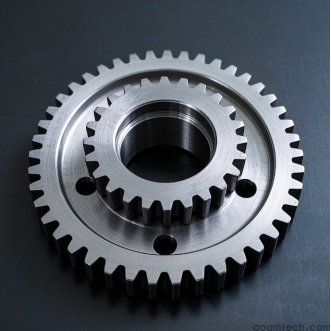 Process of Custom High-Precisi
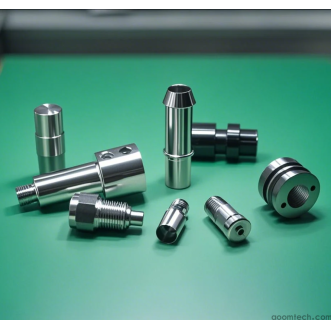 CNC Machining Parameter Settin
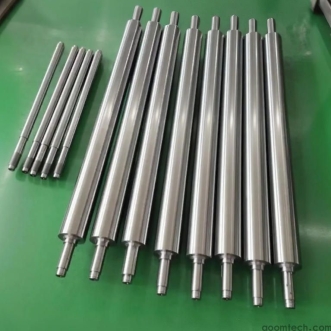 5 Key Tips for CNC Machining o
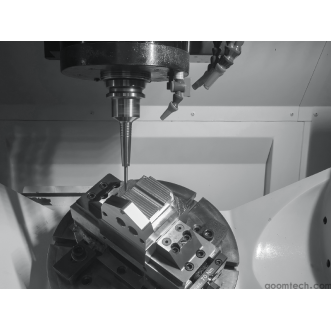 Small-batch Precision Parts 5-