


5 Key Tips for CNC Machining of Precision Long Shafts
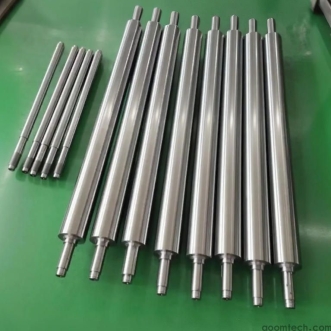
Precision long shafts are essential components in modern engineering. They are widely used in automotive systems, aerospace assemblies, industrial machines, and power transmission equipment. These shafts are responsible for transmitting torque, motion, and load between different mechanical parts. Because of their long and slender structure, even very small machining errors can cause serious problems such as vibration, misalignment, noise, and early wear.
In industries like automotive drive systems and aircraft propulsion, precision long shafts must meet strict dimensional and geometric tolerances. A small deviation in straightness or diameter can affect the entire system performance. That is why manufacturers rely on advanced CNC machining processes to achieve stable accuracy and high surface quality.
This article explains the 5 Key Tips for CNC Machining of Precision Long Shafts, helping engineers, machinists, and buyers understand how to improve quality, reduce errors, and ensure stable production results.
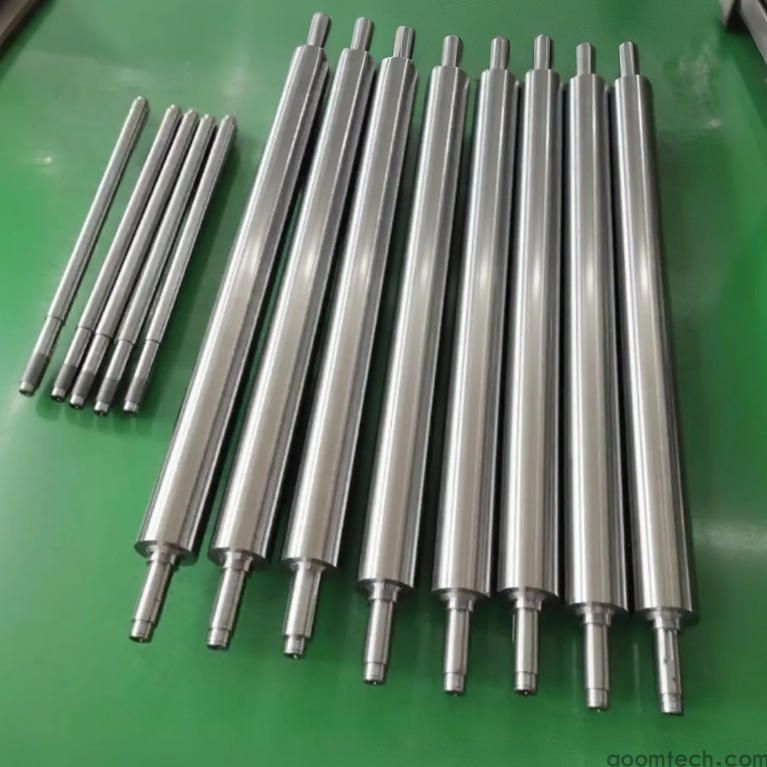
Tip 1: Optimize Part Design for Machining
Consider Machinability in Design
Good machining starts with good design. When designing long shafts, it is important to simplify the geometry as much as possible. Avoid sudden changes in diameter, deep grooves, or sharp internal corners. These features can increase stress concentration and may also cause tool vibration or breakage during CNC turning.
Using standard diameters and common tolerance levels makes machining easier and more stable. Designers should also communicate closely with CNC engineers to improve manufacturability without affecting function. This cooperation helps reduce production cost and improves consistency.
Long-tail keyword focus: part design tips for CNC machining of precision long shafts
Account for Thermal Expansion and Contraction
During CNC machining, cutting heat is generated between the tool and the workpiece. For long shafts, this heat can cause noticeable expansion along the length of the material. When the part cools down, it contracts again, which may lead to dimensional errors or straightness issues.
To reduce this problem, designers and engineers should consider thermal compensation during planning. The allowance depends on material type, shaft length, and machining conditions. For example, steel expands more than some alloy materials under the same temperature increase. In precision production, even a few microns of expansion can affect final assembly performance.
Tip 2: Select the Right Materials and Tools
Material Selection
Choosing the right material is one of the most important steps in CNC machining of long shafts. The material must match the working environment, load requirements, and durability expectations.
Common choices include alloy steels, stainless steels, and sometimes hardened tool steels. Alloy steel is widely used because it offers a good balance of strength, toughness, and wear resistance. Stainless steel is preferred when corrosion resistance is required, such as in marine or chemical environments.
When selecting materials, engineers should consider:
Load and torque requirements
Operating temperature
Corrosion resistance needs
Required surface hardness
Tool Selection and Maintenance
Tool selection directly affects machining accuracy and surface finish. For precision long shafts, carbide cutting tools are commonly used because they provide high hardness, heat resistance, and long tool life.
Typical tools include carbide turning inserts, boring tools, and precision grinding wheels for finishing operations. Selecting the correct tool geometry is also important to reduce cutting force and prevent deflection in long slender parts.
Regular tool maintenance is essential. Worn tools can cause surface roughness, dimensional errors, and even part rejection. Operators should inspect tools regularly for wear signs such as edge rounding, chipping, or discoloration.
Long-tail keyword focus: tool selection for precision long-shaft CNC machining
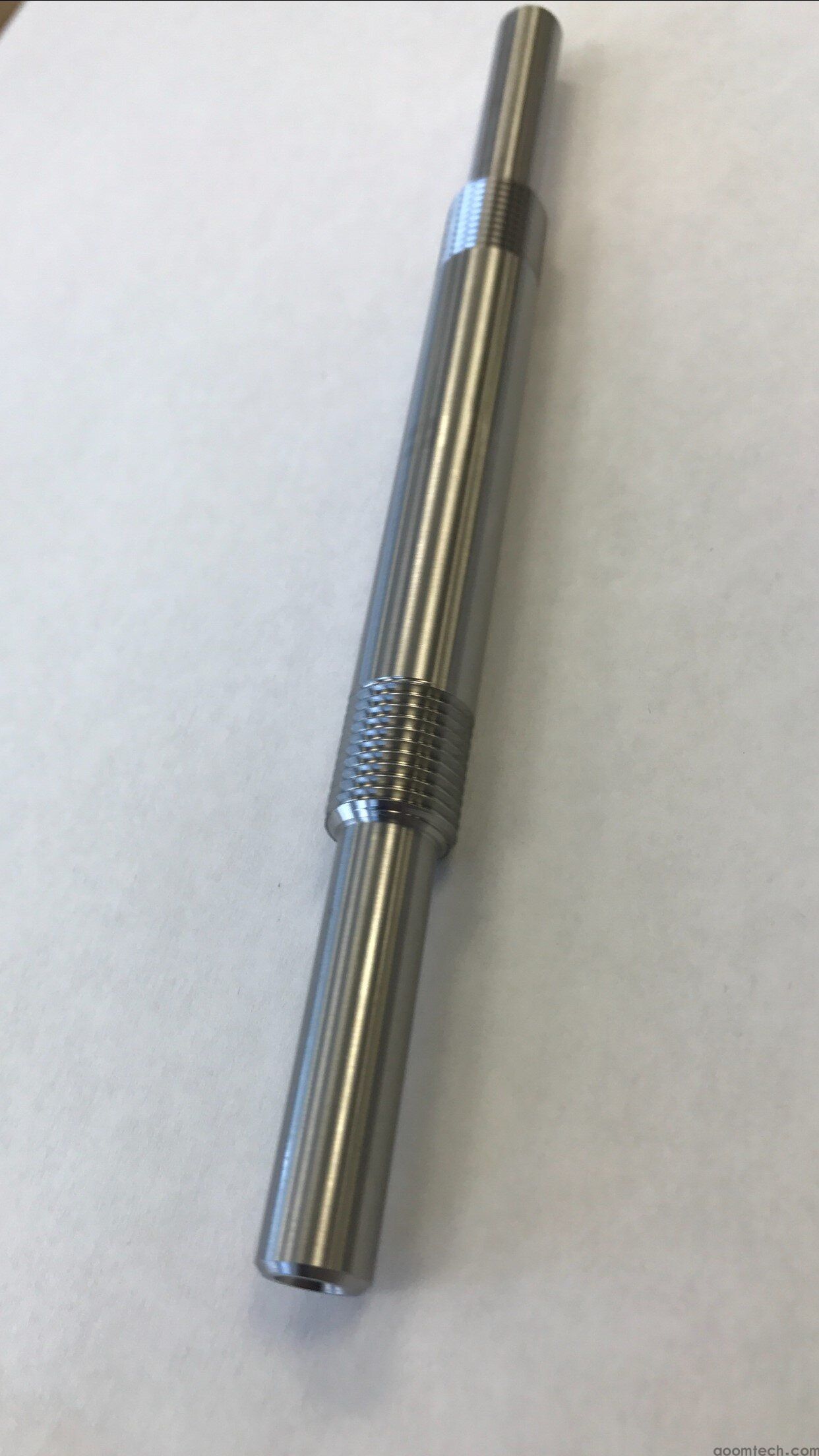
Tip 3: Optimize CNC Machining Parameters
Spindle Speed, Feed Rate, and Depth of Cut
Machining parameters play a key role in controlling accuracy and surface quality. For long shafts, improper settings can easily cause vibration or deflection due to their slender shape.
Spindle speed determines how fast the tool rotates, feed rate controls how quickly the tool moves, and depth of cut defines how much material is removed per pass. If spindle speed or feed rate is too high, excessive heat and vibration may occur. If they are too low, production efficiency decreases and rubbing may damage the surface.
To achieve stable machining:
Use moderate cutting speeds for long, slender shafts
Apply light cutting depth in finishing passes
Gradually adjust feed rate based on material behavior
These balanced settings help improve dimensional accuracy and reduce tool stress.
Use of Coolants and Lubricants
Coolants and lubricants are critical in CNC machining of precision long shafts. They help reduce heat, improve chip removal, and extend tool life.
Water-soluble coolants are commonly used for general machining because they provide effective cooling. For heavy-duty cutting, oil-based lubricants may be preferred to reduce friction and improve surface finish.
Proper coolant flow also helps prevent thermal distortion in long shafts, keeping dimensions stable throughout the machining process.
Long-tail keyword focus: CNC machining parameters for long shaft turning
Tip 4: Implement Rigorous Fixturing and Alignment
Proper Fixturing Design
Because long shafts are slender, they are prone to bending or vibration during machining. Proper fixturing is necessary to support the part along its length and maintain stability.
Common solutions include steady rests, follower rests, and custom support fixtures. These devices help reduce deflection and ensure consistent cutting conditions.
The fixture design should consider:
Shaft length and diameter ratio
Material weight and stiffness
Cutting force direction
Good fixturing reduces machining errors and improves surface quality significantly.
Accurate Alignment
Alignment is another critical factor. The shaft must be perfectly aligned with the CNC machine spindle axis. Even a small misalignment can lead to taper errors, uneven diameter, or out-of-round conditions.
Operators often use dial indicators or laser alignment tools to check setup accuracy before machining. Proper alignment ensures that the cutting force is evenly distributed along the shaft.
Long-tail keyword focus: fixturing methods for long slender shafts
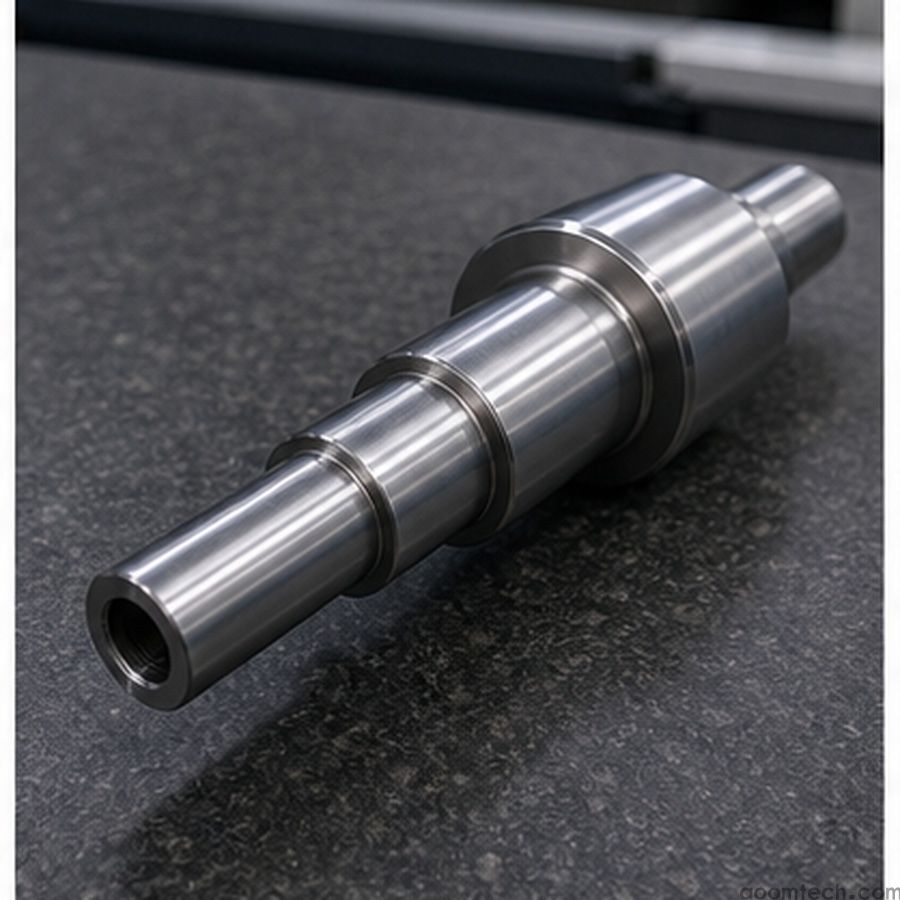
Tip 5: Conduct Thorough Quality Control
In-Process Inspection
Quality control should begin during machining, not after production is completed. In-process inspection helps detect errors early and prevents large-scale scrap.
Technicians should regularly measure:
Shaft diameter at multiple points
Straightness along the full length
Surface finish quality
Tools such as micrometers, calipers, and roundness testers are commonly used. Early detection of deviation allows immediate correction in machining parameters or setup conditions.
Final Inspection and Testing
After machining is complete, a full inspection is required. This includes dimensional verification, surface roughness testing, and functional performance checks.
In some cases, shafts are tested under rotation to evaluate vibration levels and balance performance. High-speed rotation tests help ensure that the shaft will perform safely in real operating conditions.
If a part fails inspection, engineers analyze the root cause, which may include tool wear, incorrect feed rates, or fixture misalignment.
Long-tail keyword focus: quality control in CNC machining of precision long shafts
Conclusion
Achieving high-quality results in long shaft production requires careful attention to every stage of the process. From design optimization to material selection, machining parameters, fixturing, and final inspection, each step plays an important role in overall accuracy and reliability.
By applying these 5 Key Tips for CNC Machining of Precision Long Shafts, manufacturers can significantly reduce defects, improve stability, and ensure consistent performance in demanding applications such as automotive drive systems and aerospace components.
Precision is not achieved by chance—it is the result of controlled design, correct process planning, and strict quality management.
 Process of Custom High-Precisi
 CNC Machining Parameter Settin
 5 Key Tips for CNC Machining o
 Small-batch Precision Parts 5-