


CNC Machining Parameter Setting for Stainless Steel Parts
Correct CNC Machining Parameter Setting for Stainless Steel Parts is essential for achieving stable production, long tool life, and high surface quality. Stainless steel is widely used in modern industries, but its machining behavior is different from materials like aluminum or mild steel. This article explains how to set key CNC parameters in a simple and practical way for real manufacturing use.
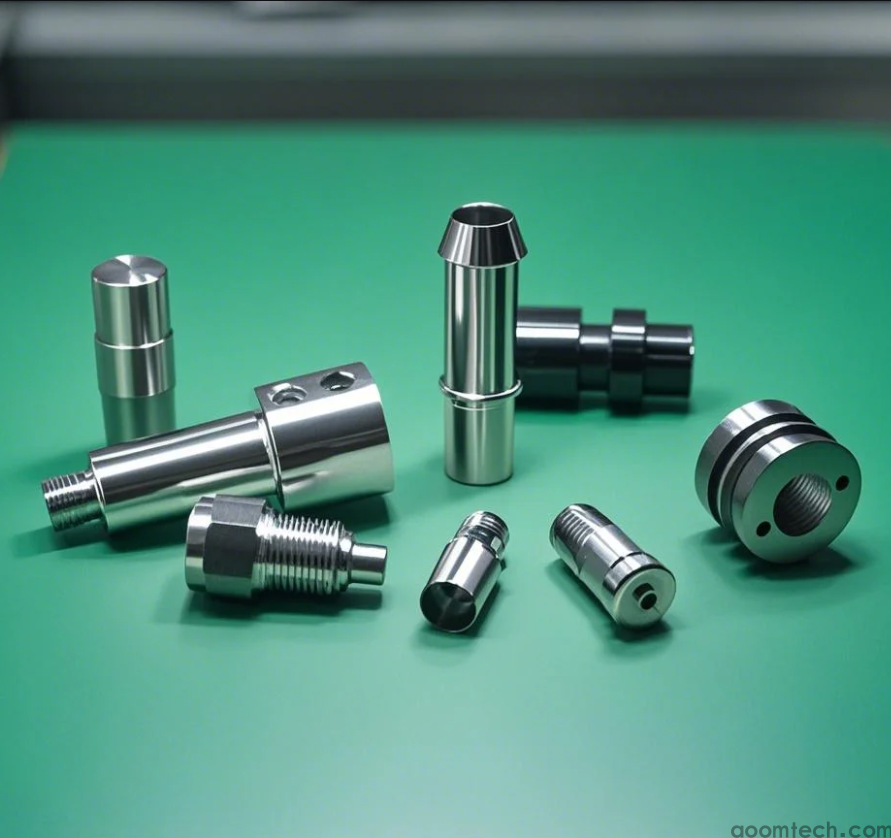
Introduction to CNC Machining of Stainless Steel Parts
Properties of Stainless Steel
Stainless steel is popular in many industries because of its strong corrosion resistance, high strength, and good formability. These advantages make it ideal for parts that must work in harsh or hygienic environments.
However, these same properties also create machining challenges. Stainless steel has high toughness, which increases cutting resistance and tool wear. It also has low thermal conductivity, which means heat is not easily removed from the cutting area. As a result, heat builds up quickly and can damage cutting tools if parameters are not correctly set.
Common industries using stainless steel parts include:
Food processing equipment manufacturing
Medical devices and surgical instruments
Automotive components such as exhaust systems and fasteners
Chemical and marine equipment
Spindle Speed Considerations
Material Grade and Hardness
The spindle speed setting for stainless steel CNC machining depends heavily on the grade and hardness of the material. Different stainless steel grades behave differently during cutting:
304 stainless steel: A common austenitic grade, relatively easier to machine, allows moderate spindle speeds.
316 stainless steel: More corrosion resistant but slightly tougher, usually requires slightly reduced speed compared to 304.
410 stainless steel: Martensitic and harder, requires lower spindle speed to reduce tool wear.
A practical approach is to start from manufacturer-recommended cutting speed ranges and adjust based on tool condition and chip formation. If tool wear is high or heat discoloration appears, reduce spindle speed immediately.
Cutting Tool Material
Cutting tool material strongly influences spindle speed selection. Common tool types include:
High-Speed Steel (HSS): Lower heat resistance, requires lower spindle speeds.
Carbide tools: High hardness and heat resistance, suitable for higher spindle speeds and higher productivity.
Ceramic tools: Used in high-speed finishing operations under stable conditions.
For stainless steel machining, carbide tools are the most common choice. They allow higher spindle speeds, improving productivity while maintaining tool life, provided that cooling is sufficient and cutting conditions are stable.
Feed Rate Adjustments
Tool Geometry and Chip Formation
The feed rate adjustment in stainless steel part machining is closely related to tool geometry. Key tool design factors include rake angle, flute design, and edge sharpness.
A positive rake angle can help reduce cutting force, but stainless steel still requires stable chip control. Proper feed rate ensures chips are broken and removed efficiently.
Common issues include:
Too low feed rate: Causes rubbing instead of cutting, increasing heat and tool wear.
Too high feed rate: May overload the tool and cause poor surface finish.
Balanced feed rate ensures smooth chip evacuation and stable cutting temperature.
Surface Finish Requirements
Surface quality requirements also affect feed rate selection. For high-precision applications such as medical or sealing components, a lower feed rate is required to achieve smoother surfaces.
For example:
Medical instruments: Low feed rate for smooth, hygienic surfaces
Structural parts: Moderate feed rate for efficiency
The key is balancing production efficiency with finishing quality. In many cases, roughing and finishing operations use different feed rate settings.
Depth of Cut Optimization
Tool Strength and Rigidity
The depth of cut must match tool strength and rigidity. Carbide tools are generally stronger than HSS tools and can support higher cutting loads.
However, even carbide tools have limits. If the depth of cut is too large, it may cause vibration, tool breakage, or dimensional inaccuracy.
A practical guideline is:
Rough machining: Higher depth of cut for fast material removal
Finishing: Lower depth of cut for accuracy and surface quality
Part Geometry and Machining Operation
Part design also affects depth of cut selection. Thin-walled stainless steel parts require careful control because excessive cutting force can cause deformation.
Typical guidance includes:
Thin-walled parts: Reduce depth of cut to prevent bending or vibration
Solid parts: Allow higher depth of cut during roughing
Finishing operations: Always use shallow cuts for precision
Coolant and Lubricant Selection
Heat Dissipation and Tool Life
Coolant plays a critical role in stainless steel machining because stainless steel generates high heat during cutting. The right coolant selection for stainless steel CNC operations helps extend tool life and improve surface quality.
Common coolant types include:
Water-based emulsions: Good cooling performance and widely used
Semi-synthetic coolants: Balanced cooling and lubrication
Synthetic coolants: Excellent heat removal for high-speed machining
Lubrication reduces friction between tool and workpiece, helping to reduce built-up edge formation, which is common in stainless steel machining.
Material Compatibility
Not all coolants are suitable for all stainless steel grades. Some fluids may cause corrosion or surface staining if not compatible.
To ensure compatibility:
Follow coolant manufacturer recommendations
Test coolant on sample material before full production
Regularly monitor part surface condition during machining
Integrating Machining Parameters
Balancing Parameters for Optimal Results
Successful CNC Machining Parameter Setting for Stainless Steel Parts requires balancing all machining variables, not adjusting them individually.
Key relationships include:
Higher spindle speed often requires improved cooling and controlled feed rate
Higher feed rate may require reduced depth of cut to maintain stability
Improved coolant application allows more aggressive cutting conditions
For example, in rough machining stainless steel 304 with carbide tools, you may use higher spindle speed and medium feed rate. However, in finishing 316 stainless steel medical parts, lower feed rate, shallow depth of cut, and strong coolant flow are preferred.
The best practice is to start with recommended cutting data, then adjust step by step based on chip shape, tool wear, temperature, and surface finish.
Conclusion
Setting correct CNC parameters for stainless steel machining is a balance of speed, feed, depth, and cooling. Because stainless steel is tough and heat-resistant, poor parameter selection can quickly lead to tool failure or poor surface quality.
By carefully adjusting spindle speed, feed rate, depth of cut, and coolant usage, manufacturers can achieve stable machining, longer tool life, and high-quality stainless steel parts suitable for demanding industries.
 Process of Custom High-Precisi
 CNC Machining Parameter Settin
 5 Key Tips for CNC Machining o
 Small-batch Precision Parts 5-