


What surface finish can CNC machining achieve
Introduction
Surface finish is one of the most important quality factors in CNC machined parts. It describes how smooth or rough the surface of a finished part is after machining. The surface condition affects not only how the part looks, but also how it performs in real applications.
A good surface finish can reduce friction, improve wear resistance, and increase corrosion resistance. For example, smoother surfaces help moving parts slide more easily, while rough surfaces may increase friction and wear. In industries like aerospace, automotive, medical devices, and electronics, surface finish directly impacts product reliability and service life.
In this article, we explain What surface finish can CNC machining achieve, what factors influence it, and what post-processing methods can further improve surface quality.
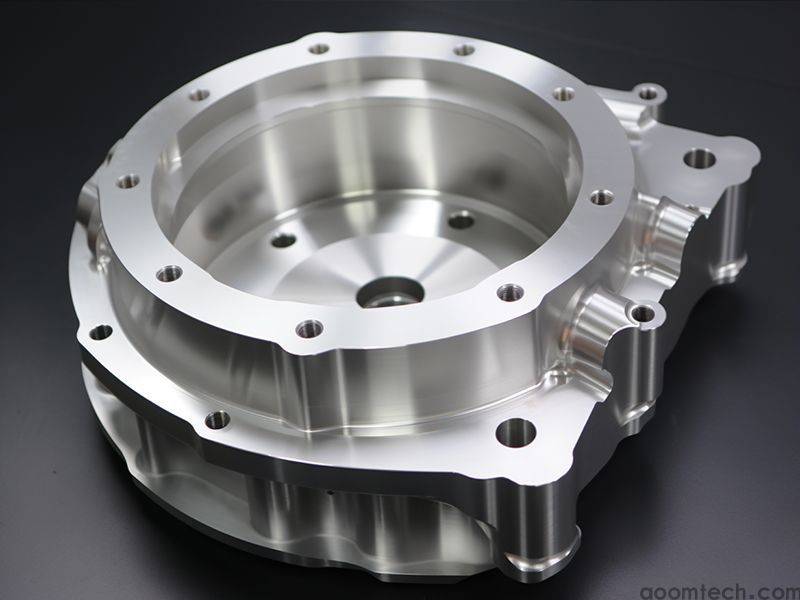
Factors Affecting Surface Finish
Cutting Parameters
Cutting conditions play a major role in surface quality. Key machining variables include spindle speed, feed rate, and depth of cut. These are often referred to as cutting parameters for surface finish in CNC machining.
A higher spindle speed combined with a lower feed rate generally produces a smoother surface. This is because the tool leaves smaller marks on the material. On the other hand, a high feed rate increases tool mark spacing, which results in a rougher surface.
The depth of cut also matters. A large depth of cut increases cutting force and may cause tool vibration or deflection. This can lead to uneven surfaces. For better results, lighter finishing passes are usually applied after rough machining.
Tooling
Tool condition and design strongly affect the final surface quality. Sharp cutting tools with proper geometry produce clean cuts and smooth surfaces. Tools with an optimized rake angle help reduce cutting resistance and improve chip flow.
Dull or worn tools often tear or deform the material instead of cutting it cleanly, leading to poor surface quality. Tool coatings such as TiN or TiAlN can also improve performance by reducing friction and heat buildup.
In practice, tooling and surface finish in CNC machining are closely connected. Regular tool inspection and replacement are essential for consistent results.
Material
Different materials respond differently during machining. Soft materials like aluminum and plastics can sometimes smear or form burrs if cutting conditions are not optimized. Hard materials like stainless steel or titanium require stable cutting conditions and sharp tools to achieve smooth finishes.
For example, aluminum can achieve very fine finishes with high speed and proper lubrication, while stainless steel may require lower speeds and more rigid tool setups to avoid chatter marks.
Understanding material behavior is essential for optimizing surface quality in CNC machining processes.
Commonly Achievable Surface Finishes
Rough Finish (125 – 250 micro-inches Ra)
A rough finish is typically produced during fast material removal operations. It is not focused on appearance but on efficiency and speed. This level of finish is often used for structural parts or components that will be further processed later.
It is cost-effective and suitable for non-visible or non-critical surfaces where tight smoothness is not required.
Medium Finish (32 – 125 micro-inches Ra)
This is one of the most common surface finishes in CNC machining. It provides a good balance between machining time and surface quality.
Parts with this finish are widely used in automotive components, industrial equipment, and general mechanical assemblies. The surface is smooth enough for functional use and offers moderate resistance to wear and corrosion.
Fine Finish (8 – 32 micro-inches Ra)
A fine finish is achieved through more precise machining, optimized tool paths, and controlled cutting parameters. This level is often required for parts where both appearance and performance matter.
Typical applications include consumer electronics housings, precision mechanical components, and sliding or moving parts where reduced friction is important.
Ultra-fine Finish (Below 8 micro-inches Ra)
Ultra-fine finishes represent extremely smooth surfaces. These are usually achieved through advanced CNC techniques combined with secondary finishing processes.
Such surfaces are critical in high-performance industries like aerospace, medical implants, and optical equipment. Even small surface irregularities can affect sealing, movement, or biocompatibility.
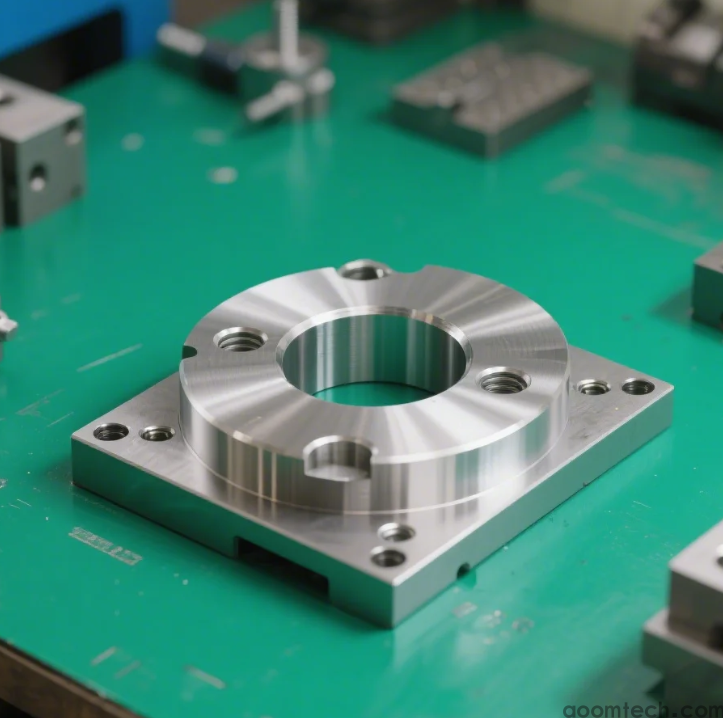
Post-Machining Processes for Better Surface Finish
In many cases, CNC machining alone cannot achieve the required final surface quality. This is where post-machining for surface finish in CNC parts becomes important.
Common post-processing methods include:
Sanding: Removes tool marks and smooths out rough surfaces using abrasive materials.
Polishing: Improves surface smoothness and can create a reflective finish.
Buffing: Uses soft wheels and compounds to achieve a high-gloss surface.
Chemical treatments are also widely used. For example, etching can slightly modify the surface texture, while plating (such as nickel or chrome plating) improves both appearance and corrosion resistance.
For aluminum parts, anodizing not only enhances surface hardness but also provides color options and better durability. These finishing steps are often essential for achieving final product requirements.
Practical Engineering Considerations
In real manufacturing environments, surface finish is not controlled by a single factor. It is the result of a combination of machine stability, tool selection, programming strategy, and material choice.
Engineers often use trial cuts and surface roughness measurements to fine-tune machining parameters. Surface roughness is usually measured in Ra (average roughness), which provides a standardized way to evaluate finish quality.
By carefully adjusting cutting conditions and tool paths, manufacturers can achieve consistent and repeatable surface finishes across production batches.
Conclusion
Understanding What surface finish can CNC machining achieve is essential for designing and manufacturing high-quality parts. CNC machining can produce a wide range of surface finishes, from rough structural surfaces to ultra-smooth precision finishes.
By controlling cutting parameters, selecting the right tools, understanding material behavior, and applying post-processing techniques, manufacturers can achieve the required surface quality for almost any application.
In modern CNC production, achieving the right surface finish is not just about aesthetics—it is a key factor in performance, durability, and product reliability.
References
Industry knowledge based on standard CNC machining practices and surface roughness measurement guidelines commonly used in manufacturing engineering (ISO surface roughness standards and machining handbooks).
 Process of Custom High-Precisi
 CNC Machining Parameter Settin
 5 Key Tips for CNC Machining o
 Small-batch Precision Parts 5-