


How to Ensure Precision in CNC Machined Parts
Precision is one of the most important goals in modern manufacturing. In industries such as aerospace, automotive, medical devices, and electronics, even a small error in a CNC machined part can lead to performance failure or safety risks. This article explains How to Ensure Precision in CNC Machined Parts using practical methods that can be applied in real production environments.
We will focus on five key areas: machine selection and calibration, tooling, material selection and preparation, programming and design, and quality control. Each section provides clear guidance to help improve accuracy and consistency in CNC machining processes.
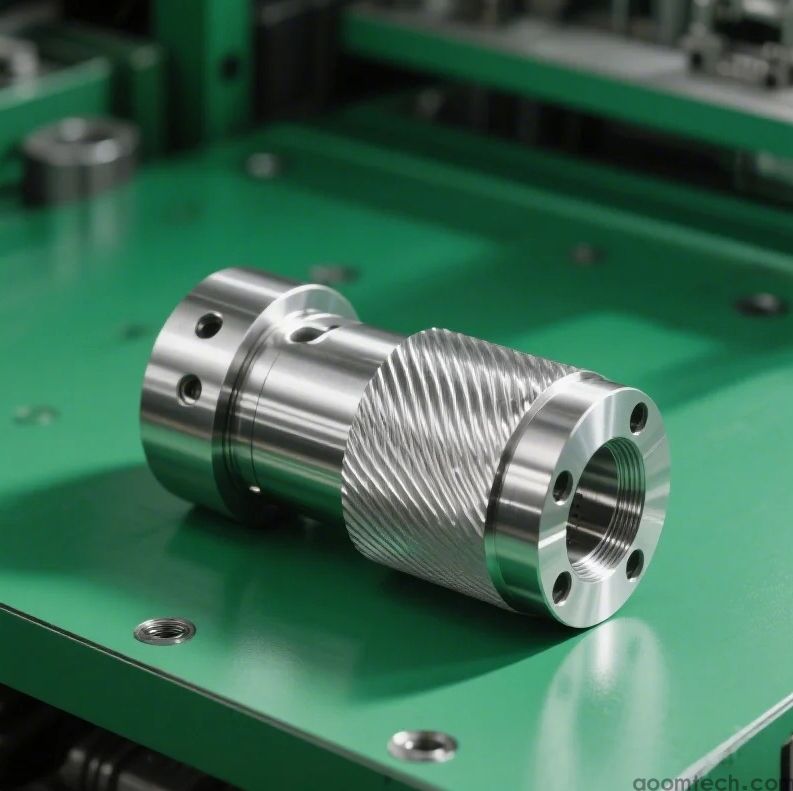
Machine Selection and Calibration
Choosing the right CNC machine is the foundation of precision manufacturing. A machine that is not suitable for the task will always limit the final accuracy, no matter how good the programming or tooling is.
Choosing the Right CNC Machine
When selecting a CNC machine, consider the following factors:
Accuracy specifications: Look at the positioning accuracy and repeatability provided by the manufacturer.
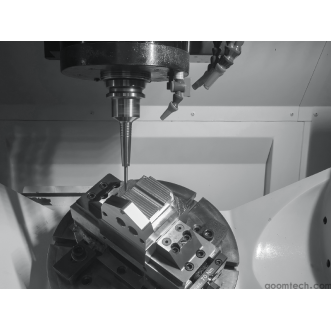
Number of axes: 3-axis machines are suitable for simple parts, while 5-axis machines allow complex geometries with fewer setups and higher precision.
Machine rigidity: A rigid machine reduces vibration during cutting, which directly improves surface finish and dimensional accuracy.
In general, higher rigidity means better stability during cutting, especially when working with hard materials or deep cuts.
Machine Calibration for Precision in CNC Machining
Regular calibration is essential to maintain accuracy over time. Even high-end machines gradually lose precision due to wear, temperature changes, and mechanical stress.
A basic calibration checklist includes:
Checking axis alignment and backlash compensation
Calibrating spindle runout and concentricity
Verifying tool changer positioning accuracy
Testing machine positioning accuracy using a dial indicator or laser measurement system
Proper calibration ensures that the machine performs exactly as expected, reducing cumulative errors in production. This is a key step in maintaining long-term reliability in precision machining.
Tooling Considerations
Tool selection has a direct impact on machining accuracy, surface quality, and production stability. Even the best CNC machine cannot compensate for poor tooling choices.
Tooling for Precision in CNC Parts
Different cutting tools are designed for different operations:
End mills: Used for milling flat surfaces, slots, and complex shapes
Drills: Used for creating accurate holes
Turning tools: Used in lathe operations for cylindrical parts
Each tool must be selected based on the geometry, material, and required tolerance of the part.
Tool Material and Coating
Carbide tools are widely used in high-precision machining because they offer excellent hardness and wear resistance. In high-speed applications, carbide tools maintain sharp cutting edges longer than high-speed steel (HSS).
Tool coatings such as TiAlN or TiN can further improve performance by reducing heat and friction. This helps maintain dimensional stability and extends tool life.
Tool Wear Monitoring
Tool wear is one of the most common causes of dimensional errors. As a tool wears, it may cause:
Increased cutting force
Poor surface finish
Dimensional deviation
Operators should regularly inspect tools and replace them before wear affects part quality. Monitoring cutting sound, vibration, and surface condition are practical ways to detect early wear.
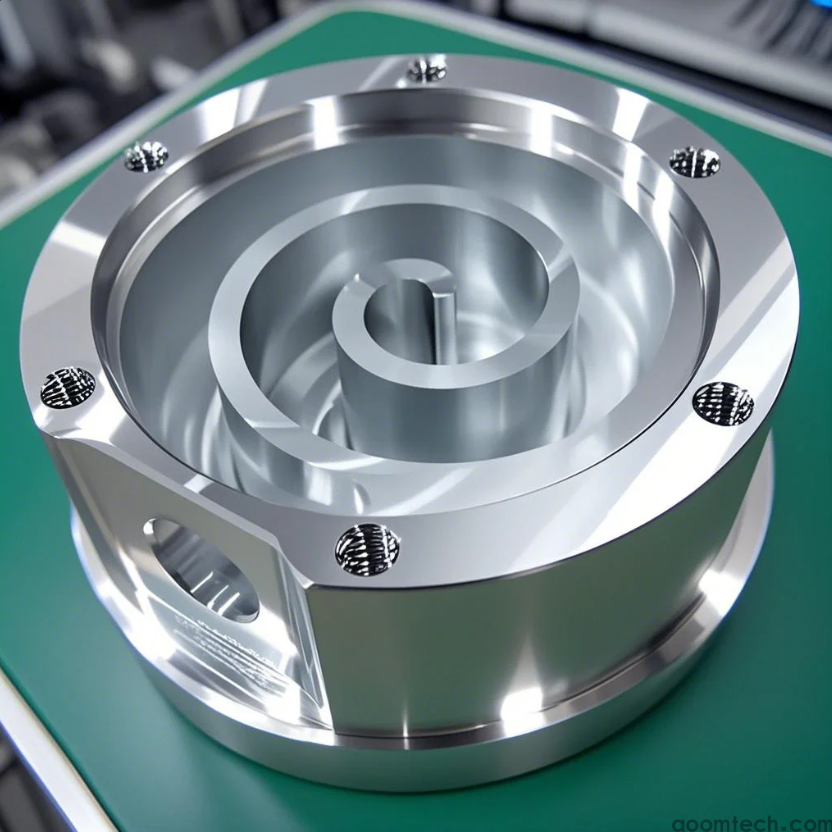
Material Selection and Preparation
Material choice plays a major role in machining precision. Different materials behave differently under cutting forces and temperature changes.
Impact of Material Properties on Precision
Key material properties affecting accuracy include:
Hardness: Harder materials are more difficult to machine and may cause tool deflection
Thermal expansion: Materials that expand with heat can cause dimensional variation during machining
Ductility: Soft materials may deform under cutting pressure
For example, aluminum expands more with heat than steel, which means temperature control becomes more important during machining.
Material Preparation
Proper preparation improves stability and reduces internal stress. Common preparation methods include:
Annealing: Softens material and reduces internal stress
Stress relieving: Minimizes deformation during machining
Using properly prepared materials helps prevent part distortion after machining, improving overall dimensional stability.
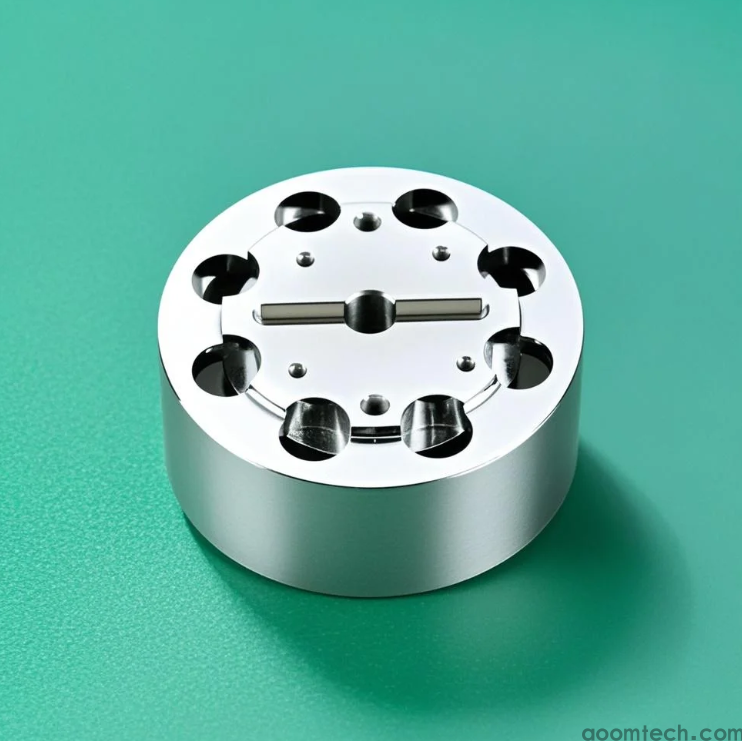
Programming and Design
Accurate programming and thoughtful design are essential for achieving high precision. Modern CNC machining relies heavily on CAD/CAM software to generate precise tool paths.
CAD/CAM Programming for Precision
In programming, attention should be given to:
Correct feed rate and spindle speed selection
Proper depth of cut settings
Smooth tool path transitions
Optimized tool paths reduce sudden direction changes, which helps prevent over-cutting and improves surface consistency.
One important concept in machine calibration for precision in CNC machining is ensuring that programmed values match actual machine performance. Even small mismatches can lead to tolerance issues.
Design Optimization for Precision
Part design also affects machining accuracy. Simple and stable designs are easier to machine with tight tolerances. Examples of design improvements include:
Avoiding unnecessary sharp internal corners
Using standard hole sizes where possible
Reducing deep, narrow cavities that are difficult to machine
Good design reduces machining complexity and improves repeatability.
Quality Control and Inspection
Even with perfect machining processes, quality control is necessary to ensure final accuracy. Inspection confirms whether parts meet design requirements.
Quality Control for Precision in CNC-Machined Components
Precision inspection tools include:
Calipers: Basic dimensional checks
Micrometers: High-accuracy measurement of small dimensions
Coordinate Measuring Machines (CMM): Advanced systems for full 3D measurement
CMMs are widely used in high-precision industries because they can detect very small deviations in geometry.
In-Process Inspection
Checking parts during production helps detect errors early. This reduces scrap rates and prevents large-scale defects.
Typical in-process checks include:
Measuring critical dimensions after rough machining
Checking alignment before finishing operations
Verifying tool condition during long production runs
Non-Destructive Testing (NDT)
For critical applications, non-destructive testing methods such as ultrasonic testing or X-ray inspection are used to detect internal defects. These methods ensure hidden issues do not affect performance or safety.
Conclusion
Achieving high precision in CNC machining is not the result of a single factor. It depends on the combined effect of machine selection, calibration, tooling, material preparation, programming, and quality control.
By applying these methods consistently, manufacturers can improve accuracy, reduce waste, and ensure stable production quality. Understanding How to Ensure Precision in CNC Machined Parts is essential for anyone involved in modern manufacturing.
Whether you are working on prototypes or mass production, following these principles will help you achieve reliable and repeatable results in CNC machining operations.
 Process of Custom High-Precisi
 CNC Machining Parameter Settin
 5 Key Tips for CNC Machining o
 Small-batch Precision Parts 5-