


Complete Pricing Guide for CNC Machining in 2026
Understanding CNC machining costs in 2026 is more important than ever for engineers, buyers, and product developers. Prices are no longer fixed or simple. They change based on materials, design complexity, quantity, and even global market conditions. This Complete Pricing Guide for CNC Machining in 2026 explains everything in clear, simple English so you can make better and more cost-efficient decisions.
Whether you are sourcing prototypes or planning mass production, knowing how CNC pricing works can help you avoid unnecessary costs and improve your project budget accuracy.
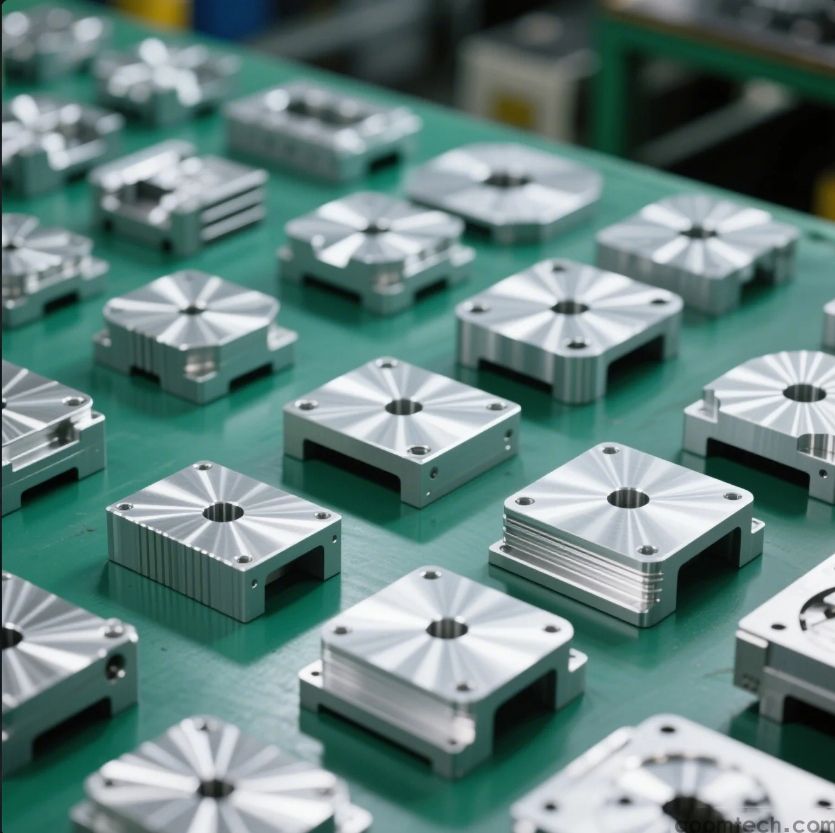
Why CNC Machining Pricing Is Not Fixed in 2026
CNC machining is a highly flexible manufacturing method. That flexibility also means pricing is dynamic. There is no single “standard price” because every part is different.
The biggest challenge for buyers is understanding factors influencing CNC machining prices in 2026. Even small design changes can significantly affect cost.
Material type (aluminum, stainless steel, titanium, plastics)
Part geometry and complexity
Required precision and tolerance
Machine type and processing time
Surface finishing requirements
Order volume and batch size
In 2026, energy costs, raw material supply chains, and automation levels also play a major role in final pricing.
Pricing Breakdown for CNC Machining Processes in 2026
To better understand costs, it helps to look at the pricing breakdown for different CNC machining processes in 2026. Each machining method has different time and tooling requirements.
1. CNC Milling
CNC milling is widely used for complex shapes and precise components. Costs depend heavily on tool paths and machining time. Deep cavities or tight tolerances increase price.
2. CNC Turning
Turning is usually more cost-effective for cylindrical parts. It is faster than milling for simple geometries, making it a preferred option for bulk production.
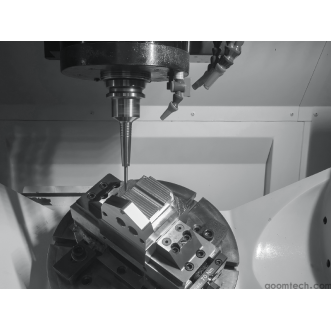
3. 5-Axis CNC Machining
5-axis machining offers high precision and flexibility but comes with higher machine and programming costs. It is ideal for aerospace and medical parts.
4. EDM (Electrical Discharge Machining)
EDM is used for hard metals and detailed shapes. It is slower, which increases cost, but necessary for certain precision components.
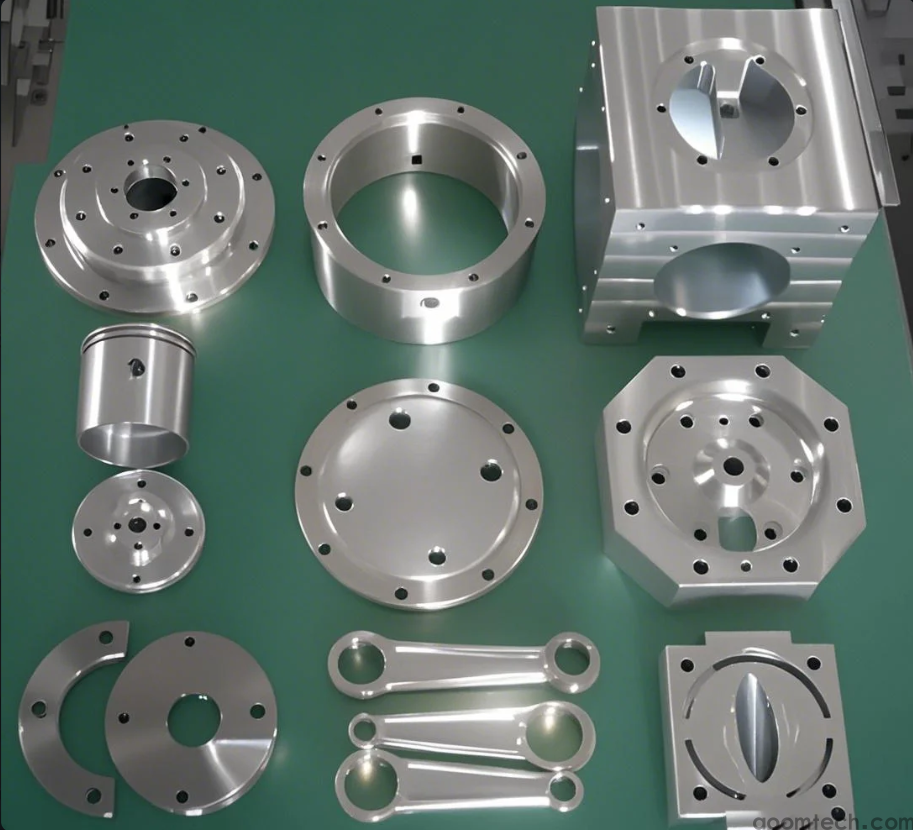
Quantity-Based Pricing in CNC Machining in 2026
One of the most important cost factors is order quantity. Quantity-based pricing in CNC machining in 2026 shows how unit price decreases as volume increases.
Prototypes (1–10 pcs): Highest cost per unit due to setup time
Small batches (10–100 pcs): Moderate cost with shared setup expenses
Mass production (100+ pcs): Lowest cost per unit due to efficiency scaling
Setup time is the key reason small orders are expensive. Once machines are running continuously, the cost per part drops significantly.
Regional Price Variations in CNC Machining in 2026
Location also affects pricing. Regional price variations in CNC machining in 2026 are driven by labor costs, factory automation levels, and supply chain efficiency.
North America & Western Europe: Higher labor and operational costs, but strong quality control systems
East Asia: Competitive pricing due to efficient manufacturing ecosystems
Emerging markets: Lower labor costs but may vary in consistency and lead time
Many global buyers now balance cost and quality by working with experienced suppliers in Asia while maintaining strict inspection standards.
Cost-Effective Strategies for CNC Machining in 2026
Reducing CNC machining costs does not always mean lowering quality. Smart design and planning can significantly reduce expenses. Below are proven cost-effective strategies for CNC machining in 2026.
Simplify part design to reduce machining steps
Choose standard materials instead of rare alloys
Increase batch size when possible
Avoid unnecessary tight tolerances
Combine multiple features into one machining setup
Even small design adjustments can reduce machining time by 10–40%, which directly lowers cost.
Hidden Cost Factors Most Buyers Overlook
Beyond obvious costs like materials and machine time, there are hidden factors that affect pricing in 2026:
Programming and CAD/CAM setup time
Tool wear and replacement frequency
Quality inspection and measurement systems
Packaging and logistics requirements
Rework or scrap risk for complex parts
Understanding these helps avoid unexpected budget overruns during production.
How AOOM Helps Optimize CNC Machining Costs
Many companies struggle to balance cost, precision, and delivery time. This is where experienced manufacturers make a difference.
focuses on delivering cost-efficient CNC machining solutions without sacrificing quality. By optimizing machining paths, improving material utilization, and using advanced production systems, AOOM helps customers reduce unnecessary expenses while maintaining stable precision standards.
For businesses planning long-term production, working with a reliable supplier like AOOM can significantly improve cost predictability and reduce total project risk.
Expert Insights on CNC Pricing Trends in 2026
Industry experts expect CNC machining prices in 2026 to remain stable but more sensitive to global supply chain changes. Automation and AI-assisted machining are reducing labor dependency, but material costs remain unpredictable.
Companies that invest in design optimization and supplier partnerships will have a stronger advantage in controlling manufacturing budgets.
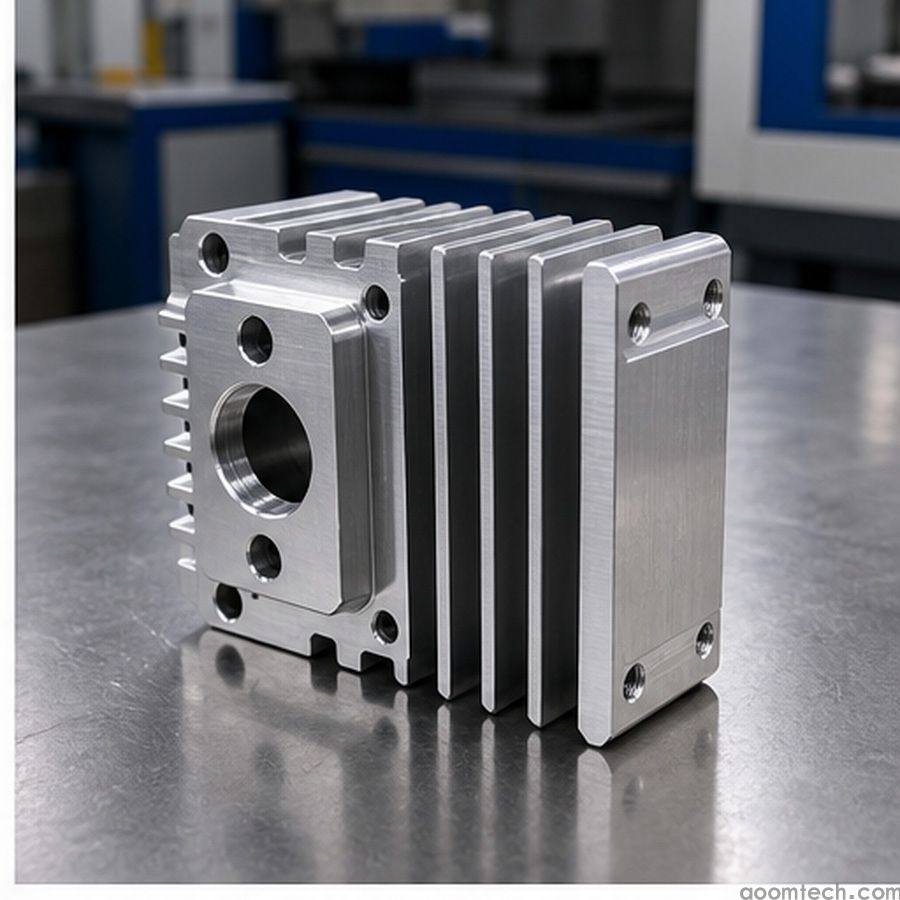
Final Thoughts
The Complete Pricing Guide for CNC Machining in 2026 shows that CNC costs are influenced by many interconnected factors. There is no single fixed price, but there are clear ways to control and optimize spending.
By understanding factors influencing CNC machining prices in 2026, analyzing pricing breakdown for different CNC machining processes in 2026, and applying cost-effective strategies for CNC machining in 2026, businesses can significantly improve efficiency.
Whether you are working on prototypes or large-scale production, choosing the right partner and strategy is key to long-term success in manufacturing.
 Process of Custom High-Precisi
 CNC Machining Parameter Settin
 5 Key Tips for CNC Machining o
 Small-batch Precision Parts 5-