


Small Batch Precision CNC Machining Parts Manufacturer
In modern manufacturing, demand for high-quality, low-volume production is growing rapidly. Many industries no longer rely only on mass production. Instead, they need flexibility, speed, and precision. This is where a Small Batch Precision CNC Machining Parts Manufacturer becomes essential.
Choosing the right partner can directly impact product quality, project cost, and delivery time. Whether you are developing a prototype or producing limited-run components, understanding how small batch CNC machining works will help you make better decisions.
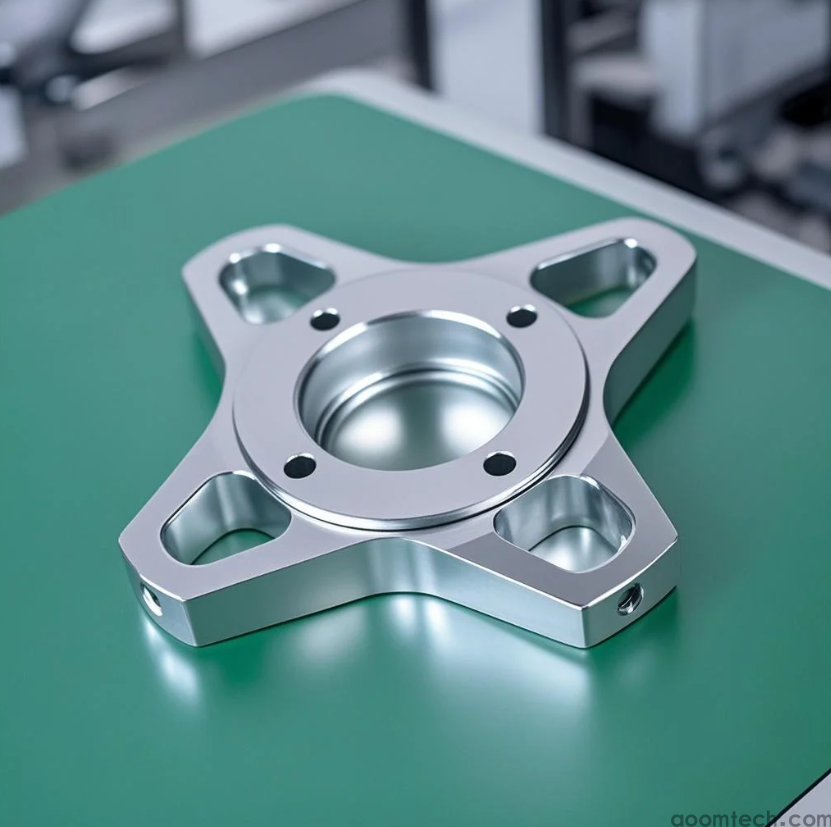
Characteristics of Small-Batch Precision CNC Machining
Small-batch precision CNC machining focuses on producing a limited number of parts—often from a single prototype up to a few hundred units—while maintaining extremely tight tolerances and high consistency.
Unlike large-scale manufacturing, where setup costs are distributed across thousands of parts, small batch production emphasizes flexibility and fast changeover. Each project may require unique tooling, programming, and inspection planning.
This type of machining is widely used in industries that demand precision and customization, such as:
Medical device prototyping and custom surgical tools
Aerospace component development and testing
High-end consumer electronics and product customization
Robotics and automation system parts
In these fields, even a small error can lead to performance failure, making precision a critical requirement.
Key Considerations When Choosing a Manufacturer
Quality Assurance
Quality assurance in small-batch precision CNC machining is one of the most important factors when selecting a manufacturer. Reliable suppliers implement strict inspection systems to ensure every part meets specifications.
Key indicators include:
ISO certifications such as ISO 9001 (quality management systems) or ISO 13485 (medical device manufacturing)
Use of advanced measurement tools like Coordinate Measuring Machines (CMM)
In-process inspection during machining instead of only final checks
Poor quality control can lead to dimensional errors, assembly failures, and costly redesigns. For example, a slightly misaligned aerospace bracket could compromise system safety and require complete rework of an assembly line.
Machining Capabilities
The machining capabilities of small-batch CNC manufacturers determine how complex and precise your parts can be.
A capable manufacturer should offer:
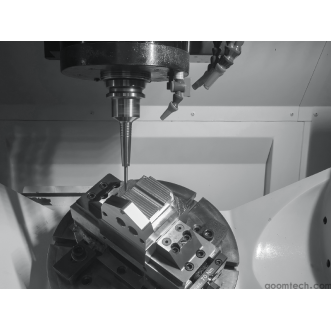
5-axis CNC machining centers for complex geometries
High-speed milling machines for efficient material removal
Turning and multi-axis hybrid machining
Ability to work with diverse materials such as aluminum, stainless steel, titanium, PEEK, and ABS
Typical precision levels for high-end small batch machining range from ±0.01mm to ±0.05mm, depending on geometry and material.
For example, aerospace turbine components require multi-axis machining to achieve aerodynamic surfaces, while medical implants demand ultra-smooth finishes and biocompatible materials.
Experience and Expertise
Experience plays a major role in successful project execution. A seasoned manufacturer understands tooling strategies, material behavior, and tolerance stacking issues.
Experienced suppliers often provide:
Engineering support during design (DFM feedback)
Proven workflows for repeatable precision
Industry-specific knowledge (aerospace, medical, automotive)
For instance, manufacturers with aerospace experience are more likely to anticipate deformation issues in lightweight aluminum parts and adjust machining strategies accordingly.
Cost-Effectiveness
Cost-effectiveness in small-batch precision parts machining is not just about finding the lowest price. It is about balancing cost with quality and service value.
When comparing quotes, consider:
Setup and programming fees
Material sourcing costs
Surface finishing and post-processing charges
Value-added services such as design optimization or assembly
Some manufacturers reduce costs by optimizing tool paths, using efficient CAM programming, or standardizing workflows without compromising precision.
Turnaround Time
Fast delivery is critical in prototyping and short production cycles. A reliable Small Batch Precision CNC Machining Parts Manufacturer should provide clear lead times and consistent delivery performance.
Typical turnaround times range from a few days for simple prototypes to several weeks for complex multi-axis parts.
Delays can significantly impact product development schedules. For example, a late prototype delivery may postpone testing cycles and delay product launch dates.

Top Small-Batch Precision CNC Machining Parts Manufacturers
Protolabs
Protolabs is a global digital manufacturing company specializing in rapid CNC machining, injection molding, and 3D printing. It is widely known for fast prototyping and short-run production services.
Strengths: Fast turnaround, automated quoting system, strong engineering support, and consistent quality control.
Xometry
Xometry provides on-demand manufacturing services through a large global supplier network. It connects customers with CNC machining partners capable of small and medium batch production.
Strengths: Flexible supplier network, instant quoting platform, wide material selection, and scalable production capabilities.
Hubs
Hubs (formerly 3D Hubs) offers CNC machining, 3D printing, and injection molding services through a distributed manufacturing model.
Strengths: Strong global coverage, competitive pricing, and easy online ordering for custom parts.
Fictiv
Fictiv focuses on high-quality custom manufacturing solutions for engineers and product developers. It specializes in rapid prototyping and low-volume production.
Strengths: High precision standards, strong supply chain management, and engineering collaboration tools.
Conclusion
Choosing the right Small Batch Precision CNC Machining Parts Manufacturer is a critical decision for any engineering or product development project. It directly affects product quality, cost efficiency, and delivery speed.
By carefully evaluating quality assurance systems, machining capabilities, experience, cost structure, and turnaround time, businesses can significantly reduce risk and improve production outcomes.
In today’s competitive manufacturing environment, working with a reliable CNC partner is not just a production choice—it is a strategic advantage.
 Process of Custom High-Precisi
 CNC Machining Parameter Settin
 5 Key Tips for CNC Machining o
 Small-batch Precision Parts 5-