


CNC Machining Custom Manufacturers
Introduction to CNC Machining Custom Manufacturers
In today’s global manufacturing world, CNC Machining Custom Manufacturers play an important role in turning ideas into real, physical products. CNC stands for Computer Numerical Control, which means machines are controlled by computers to cut, shape, and produce parts with high accuracy.
These manufacturers specialize in making custom parts based on customer needs. Instead of using standard, ready-made components, they produce parts designed for specific sizes, shapes, and functions. This is essential for industries such as automotive, aerospace, medical devices, electronics, and consumer products.
The significance of CNC machining custom manufacturers lies in their ability to support innovation, improve product quality, and help companies solve complex engineering problems with precision-made solutions.
Significance of CNC Machining Custom Manufacturers
Meeting Unique Customer Needs
CNC machining custom manufacturers are essential when standard parts cannot meet design requirements. Many industries need components with very specific dimensions and performance features.
For example, in the medical industry, a device manufacturer may need a custom surgical instrument part with extremely tight tolerances and biocompatible materials. A CNC machining custom manufacturer can design and produce this part while meeting strict medical safety standards.
This ability to create exact-fit components ensures that products function properly and safely in real-world applications.
Enabling Product Innovation
Another important role of CNC machining custom manufacturers is supporting innovation. Engineers and designers often develop new ideas that cannot be produced using traditional mass-production methods.
For example, in automotive customization, a high-performance car project may require lightweight, custom-designed engine brackets or aerodynamic components. CNC machining custom manufacturers can transform these concepts into real parts, improving both performance and appearance.
This flexibility helps companies test new ideas and bring innovative products to market faster.
Operations of CNC Machining Custom Manufacturers
Design and Consultation
The process usually begins with design and consultation. Customers share their ideas through sketches, drawings, or technical requirements. Engineers from the CNC machining custom manufacturer then review the design and suggest improvements.
For example, a customer may submit a complex mechanical housing design. The manufacturer might recommend small changes to reduce cost and improve machining efficiency without affecting performance.
This step ensures the final product is practical, cost-effective, and manufacturable.
CAD/CAM Design and Programming
Once the design is approved, engineers use CAD (Computer-Aided Design) software to create a detailed 3D model. Then CAM (Computer-Aided Manufacturing) software converts this model into machine instructions.
These instructions include toolpaths, cutting speeds, and feed rates. For example, a complex aerospace bracket with curved surfaces may require advanced multi-axis programming to ensure smooth machining and accurate geometry.
This stage is critical for ensuring precision and efficiency in production.
Material Procurement and Inspection
Material selection is a key step in CNC machining. Different materials like aluminum, steel, stainless steel, or engineering plastics affect performance and machining methods.
For instance, hardened steel requires stronger cutting tools and slower machining speeds compared to aluminum. CNC machining custom manufacturers carefully inspect raw materials to ensure quality and consistency before production begins.
This helps prevent defects and ensures the final parts meet performance expectations.
Machining and Quality Control
Machining Operations
The main production process includes milling, turning, drilling, and grinding. These operations are controlled by CNC programs to shape raw material into finished parts.
For example, when producing a part with complex curves, machinists may adjust cutting speed and tool paths to maintain a smooth surface finish and high accuracy.
Quality Control
Quality control is essential in every step of production. Manufacturers use tools like calipers, micrometers, and Coordinate Measuring Machines (CMM) to check accuracy.
For example, if a CMM detects a small dimensional error in a batch of parts, the manufacturer will adjust machine settings and recheck production to ensure compliance with customer requirements.
Benefits of Using CNC Machining Custom Manufacturers
High-Precision Customization
One major benefit is precision. CNC machines can produce parts with extremely tight tolerances, ensuring perfect fit and function.
For example, an electronics company may need custom enclosures for circuit boards with precise cutouts. CNC machining ensures every enclosure fits components exactly, preventing installation issues.
Cost-Effectiveness for Small-to-Medium Batches
Unlike mass production methods that require expensive molds, CNC machining is cost-effective for small and medium production runs.
For example, a startup producing custom consumer product parts can order limited quantities without high setup costs. This flexibility helps businesses manage budgets while maintaining quality.
Technical Expertise and Support
CNC machining custom manufacturers often provide engineering support throughout the project. Their experts help improve design efficiency and solve technical problems.
For example, if a customer’s design is too complex to machine directly, engineers may suggest modifications that maintain function while reducing production difficulty and cost.
Challenges Faced by CNC Machining Custom Manufacturers
Complex Design Interpretation
One challenge is understanding complex customer designs. If requirements are unclear, it can lead to production errors.
For example, a misinterpreted drawing may result in incorrect dimensions, requiring redesign and rework. Clear communication between customer and manufacturer is essential.
Meeting Tight Deadlines
Custom machining projects often come with strict delivery schedules. Complex parts may require long programming and machining times.
For example, a manufacturer may need to reorganize production schedules to meet urgent aerospace part deliveries without affecting other orders.
Skilled Labor Shortage
Another challenge is finding skilled CNC programmers and machinists. High-quality production depends on experienced professionals.
Some manufacturers invest in training programs and automation technologies to reduce reliance on limited skilled labor and improve efficiency.
How to Select a CNC Machining Custom Manufacturer
Evaluate Experience and Reputation
When choosing a manufacturer, experience matters. Companies with a strong track record are more likely to deliver reliable results.
For example, a customer needing automotive precision parts should choose a manufacturer with proven experience in similar projects.
Assess Equipment and Technology
Modern CNC equipment improves accuracy and speed. Multi-axis machines and advanced software systems allow production of highly complex parts.
For example, a manufacturer with 5-axis CNC machines can produce intricate aerospace components in fewer setups, improving efficiency and precision.
Review Quality Management System
A strong quality system ensures consistent product standards. Certifications such as ISO 9001 indicate structured quality control processes.
For example, a company that follows strict inspection procedures is less likely to deliver defective parts, reducing risk for customers.
This step is critical when evaluating how to select a CNC machining custom manufacturer for long-term cooperation.
Conclusion: Partnering with the Right CNC Machining Custom Manufacturer
In summary, CNC Machining Custom Manufacturers are essential partners in modern product development. They help industries create precise, custom-designed components that support innovation, efficiency, and performance.
Understanding the operations of CNC machining custom manufacturers, their benefits, and the challenges they face helps businesses make better sourcing decisions. From design consultation to final quality inspection, each step plays an important role in ensuring success.
When selecting a supplier, always consider experience, technology level, and quality systems. By doing so, businesses can build reliable partnerships and achieve better manufacturing results.
As global industries continue to evolve, working with the right CNC machining partner can make the difference between product success and failure. Companies are encouraged to evaluate potential manufacturers carefully and choose partners that match their technical and quality needs.
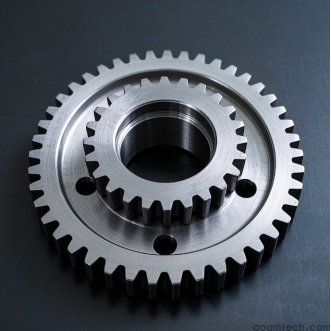 Process of Custom High-Precisi
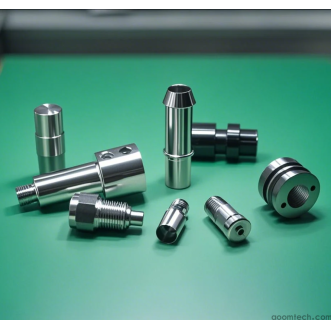 CNC Machining Parameter Settin
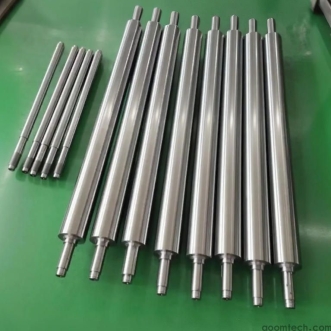 5 Key Tips for CNC Machining o
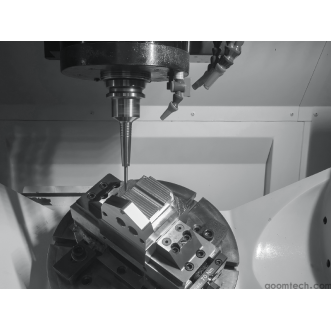 Small-batch Precision Parts 5-