


CNC Metal Parts Machining
CNC Metal Parts Machining: A Complete Guide for Modern Manufacturing
Introduction to CNC Metal Parts Machining
In today’s manufacturing world, CNC Metal Parts Machining plays a key role in producing precise, durable, and high-performance metal components. CNC stands for Computer Numerical Control, which means machines are controlled by computer programs instead of manual operation. This allows manufacturers to create complex and accurate metal parts with consistent quality.
From automotive engines to aerospace systems and medical devices, CNC-machined metal parts are widely used in many industries. These parts help improve performance, safety, and reliability in modern products. Understanding CNC Metal Parts Machining is important for engineers, designers, and manufacturers who want efficient and high-quality production.
The Significance of CNC Metal Parts Machining
Precision and Accuracy
One of the most important aspects of CNC Metal Parts Machining is its high precision. CNC machines can follow digital instructions with extremely small error margins, often within microns. This level of accuracy ensures that parts fit together perfectly in complex systems.
For example, in an automotive engine, components such as pistons and crankshafts must align perfectly. Even a small error can lead to vibration, wear, or mechanical failure. CNC machining reduces these risks by producing highly consistent and accurate metal parts.
Complex Design Realization
Another major benefit in the significance of CNC metal parts machining is the ability to produce complex shapes. Traditional machining methods often struggle with intricate designs, but CNC machines can follow advanced 3D models easily.
For example, medical devices often require parts with internal channels or fine structures. CNC technology allows these complex designs to be produced accurately, supporting life-saving tools and equipment.
Process of CNC Metal Parts Machining
Design and Programming
The process of CNC metal parts machining begins with digital design. Engineers use CAD (Computer-Aided Design) software to create a 3D model of the part. After that, CAM (Computer-Aided Manufacturing) software converts the model into machine instructions.
These instructions control tool paths, cutting speed, feed rate, and depth. For example, a metal bracket with complex curves requires carefully planned tool movements to avoid errors and ensure smooth surfaces.
Material Selection and Preparation
Choosing the right material is critical. Metals such as aluminum, steel, titanium, and copper all behave differently during machining. Their hardness, strength, and heat resistance affect tool selection and cutting strategy.
For example, harder metals like titanium require slower cutting speeds and stronger tools, while aluminum allows faster machining. Proper preparation, such as cutting raw material into suitable sizes, also improves efficiency.
Fixture and Setup
Before machining begins, the metal part must be securely fixed on the machine. A stable fixture prevents movement and deformation during cutting.
For example, a large steel block may require a custom fixture designed specifically to hold it firmly in place. This ensures accuracy throughout the machining process.
Machining Operations
Milling
Milling is used to remove material and create flat surfaces, slots, and complex shapes. Carbide tools are commonly used for durability. When machining aluminum, higher feed rates can be used, while steel requires slower, more controlled cutting to avoid tool damage.
Turning
Turning involves rotating the metal workpiece while a cutting tool shapes it into a cylindrical form. It is widely used for shafts, rods, and similar components. Proper control of speed and depth ensures accuracy and smooth surfaces.
Drilling
Drilling creates precise holes in metal parts. Coolant is often used to reduce heat and prevent cracking. For hard metals like titanium, careful pressure control is necessary to avoid tool breakage.
Quality Control and Inspection
Quality control is a key step in CNC Metal Parts Machining. Tools such as calipers, micrometers, and Coordinate Measuring Machines (CMM) are used to check dimensions and surface quality.
For example, if a CMM detects a small dimensional error, engineers can adjust the CNC program to correct future production. This ensures continuous improvement and consistent quality.
Benefits of CNC-Machined Metal Parts
High-Quality Output
The benefits of CNC-machined metal parts include excellent quality and consistency. Each part is produced with the same accuracy, which is essential for industrial equipment and precision systems.
Cost-Effectiveness for Medium to Large Production
Once programming and setup are complete, CNC machines can produce large quantities efficiently. This reduces cost per unit and increases productivity, especially for medium and large production runs.
Design Flexibility
CNC machining allows fast design changes. Engineers can modify CAD models and quickly produce updated parts. This supports rapid prototyping and helps companies respond quickly to market demands.
Challenges in CNC Metal Parts Machining
Tool Wear and Breakage
One major challenge in challenges in CNC metal parts machining is tool wear. Hard metals and high-speed cutting can quickly damage tools. For example, machining high-strength steel may require frequent tool replacement.
Using proper cutting fluids and optimized tool paths helps extend tool life and reduce costs.
Heat Generation
Heat is another common issue. Excess heat can cause metal deformation and reduce surface quality. Cooling systems and adjusted cutting speeds are often used to control temperature during machining.
Complex Programming for Intricate Designs
Advanced designs require complex programming. Engineers must carefully plan tool movements to ensure accuracy. Multi-axis machining often requires experienced programmers to avoid errors.
Applications of CNC-Machined Metal Parts
Automotive Industry
In the automotive sector, applications of CNC-machined metal parts include engine blocks, transmission systems, and suspension components. These parts improve vehicle performance, durability, and safety.
Aerospace Industry
Aircraft systems rely heavily on CNC machining. Parts such as turbine components, landing gear, and structural supports require extreme precision and strength. Titanium parts are commonly used due to their lightweight and high durability.
Medical Industry
In the medical field, CNC-machined parts are used in surgical tools, implants, and diagnostic equipment. High precision and cleanliness are essential to ensure patient safety and reliability.
Conclusion: Harnessing the Power of CNC Metal Parts Machining
CNC Metal Parts Machining is a core technology in modern manufacturing. It provides high precision, complex design capability, and efficient production for many industries. While there are challenges such as tool wear, heat generation, and programming complexity, the benefits far outweigh the difficulties.
From automotive to aerospace and medical applications, CNC-machined metal parts continue to support innovation and industrial growth. By understanding the process, significance, benefits, and challenges, manufacturers can make better decisions and improve production efficiency.
To learn more about CNC machining principles and standards, you can explore engineering resources such as: :contentReference[oaicite:0]{index=0}
As manufacturing continues to evolve, CNC Metal Parts Machining will remain a key technology driving precision, reliability, and global industrial development.
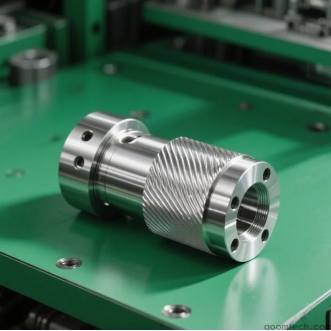 How to Ensure Precision in CNC
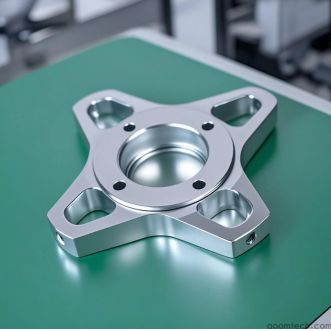 Small Batch Precision CNC Mach
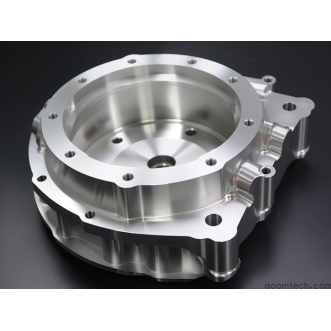 What surface finish can CNC ma
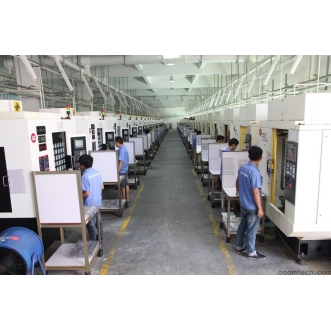 CNC Machining Tolerance Settin