


Precision Metal Parts CNC Machining Supply
Precision Metal Parts CNC Machining Supply
Precision Metal Parts CNC Machining Supply plays a key role in modern manufacturing industries. It supports the production of highly accurate metal components used in aerospace, automotive, medical devices, electronics, and industrial equipment. Without a stable and reliable supply chain for precision CNC machined parts, many advanced technologies and systems would not function safely or efficiently.
Introduction to Precision Metal Parts CNC Machining Supply
Precision metal parts are the backbone of many industries. From aircraft engines to surgical tools, these components must meet strict quality and accuracy requirements. The CNC (Computer Numerical Control) machining supply chain ensures that these parts are manufactured with consistency, accuracy, and repeatability.
The significance of precision metal parts CNC machining supply lies in its ability to connect design, manufacturing, and delivery into one efficient system. This helps industries maintain production stability and support innovation in complex engineering fields.
Significance of Precision Metal Parts CNC Machining Supply
Meeting High-precision Demands
CNC machining can produce metal parts with extremely tight tolerances, often measured in microns. In aerospace applications, even a small deviation can affect safety and performance. For example, turbine blades in jet engines require exact dimensions to ensure smooth airflow, fuel efficiency, and structural stability. CNC machining makes this level of precision possible through controlled automated cutting processes.
Enabling Complex Geometries
Modern product designs often require complex shapes that are difficult or impossible to create using traditional methods. CNC technology allows manufacturers to produce intricate geometries with high accuracy. For example, custom medical implants may include internal channels or curved surfaces designed to match a patient’s anatomy, which can only be achieved through advanced CNC machining.
Process of Precision Metal Parts CNC Machining Supply
Design and Engineering
The process begins with product design using CAD (Computer-Aided Design) software. Engineers create a 3D model based on function, strength requirements, and industry standards. After that, CAM (Computer-Aided Manufacturing) software converts the design into machine instructions.
For example, a high-precision gear design must consider tooth shape, load capacity, and wear resistance. Engineers carefully program CNC tool paths to ensure accurate tooth profiles and smooth operation.
Material Sourcing
Choosing the right metal material is critical. Common materials include aluminum, stainless steel, titanium, and brass. Each material has unique properties such as hardness, corrosion resistance, and strength.
Material selection directly affects machining performance. For example, harder metals require slower cutting speeds and stronger tools, while softer metals allow faster machining but may need careful handling to avoid deformation.
CNC Machining Operations
Milling
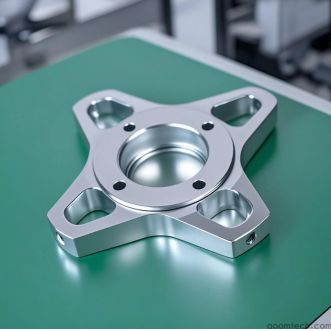
Milling is used to create flat surfaces, slots, and complex 3D shapes. Tools such as carbide or diamond-coated cutters are commonly used. Cutting speed, feed rate, and depth must be carefully adjusted based on material hardness. Harder metals often require slower speeds to reduce tool wear and maintain accuracy.
Turning
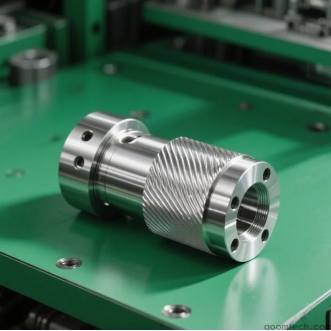
Turning is used for cylindrical parts such as shafts and pins. The workpiece rotates while cutting tools shape the outer surface. Precision turning ensures correct diameter, smooth finish, and perfect concentricity, which is essential for parts that must rotate or fit into assemblies.
Drilling and Boring
Drilling creates initial holes, while boring refines them to exact dimensions. Coolant is often used to reduce heat and improve tool life. Proper feed pressure and tool alignment are important to avoid misalignment and ensure precise hole placement.
Quality Control and Inspection
Quality control is a critical step in the process of precision metal parts CNC machining supply. Tools such as calipers, micrometers, and coordinate measuring machines (CMM) are used to verify dimensions.
For example, a CMM inspection may detect a small deviation in hole position before shipment. This allows corrections to be made early, preventing costly production issues for the customer.
Delivery and Logistics
After inspection, parts are packaged and shipped. Reliable logistics ensure that components arrive on time, especially for industries with tight production schedules. For example, automotive manufacturers often rely on just-in-time delivery systems where delays can stop an entire production line.
Benefits of Precision Metal Parts CNC Machining Supply
High-quality Parts
The benefits of precision metal parts CNC machining supply include consistent quality and high accuracy. Automated machining reduces human error, ensuring that every part meets the same standard. This is essential for industries like aerospace and medical equipment manufacturing.
Cost-effectiveness
CNC machining becomes cost-effective in medium and large production runs. Once the program is set, production can run efficiently with minimal waste. This helps companies reduce material loss and labor costs while maintaining high precision.
Technical Expertise
Experienced suppliers often provide engineering support. They can suggest design improvements that reduce cost and improve manufacturability. For example, a small design adjustment may reduce machining time while maintaining full functionality of the part.
Challenges in Precision Metal Parts CNC Machining Supply
Meeting Tight Tolerances
Maintaining extremely tight tolerances is one of the biggest challenges. Tool wear, temperature changes, and machine vibration can all affect accuracy. Regular calibration and monitoring are required to maintain stable production quality.
Tool Wear and Breakage
Hard metals can cause rapid tool wear or even breakage. This increases production costs and may lead to delays. Suppliers often use advanced coatings, optimized cutting paths, and cooling systems to extend tool life.
Meeting Delivery Deadlines
Unexpected issues such as machine breakdowns or material shortages can affect delivery schedules. Reliable suppliers prepare backup machines and flexible production plans to minimize delays and ensure on-time delivery.
Choosing a Precision Metal Parts CNC Machining Supplier
Experience and Reputation
When choosing a precision metal parts CNC machining supplier, experience is very important. Suppliers with a strong history in industries like aerospace or medical manufacturing are often more reliable and capable of handling complex requirements.
Quality Assurance Measures
A reliable supplier must have strict quality control systems. This includes in-process inspection, final inspection, and certified measuring equipment. Quality certifications also show that the supplier follows international standards.
Cost-effectiveness and Pricing Transparency
While price is important, transparency is equally critical. A good supplier provides clear pricing that includes material costs, machining time, tooling, and finishing processes. Comparing multiple quotes helps buyers make informed decisions and avoid hidden costs.
Conclusion: Selecting the Right Precision Metal Parts CNC Machining Supply Partner
Precision Metal Parts CNC Machining Supply is essential for modern manufacturing industries that require accuracy, reliability, and efficiency. It covers everything from design and material selection to machining, inspection, and delivery.
Understanding the significance of precision metal parts CNC machining supply, the process of precision metal parts CNC machining supply, along with its benefits and challenges, helps businesses make better decisions when selecting suppliers.
In summary, choosing the right partner requires careful evaluation of experience, quality systems, and pricing transparency. Businesses are encouraged to research potential suppliers and select one that best matches their technical and production needs.
 How to Ensure Precision in CNC
 Small Batch Precision CNC Mach
 What surface finish can CNC ma
 CNC Machining Tolerance Settin