


CNC Precision Machining Enterprises
CNC Precision Machining Enterprises: A Complete Guide for Modern Manufacturing
Introduction to CNC Precision Machining Enterprises
In today’s manufacturing world, CNC Precision Machining Enterprises play an important role in producing high-quality and highly accurate parts. CNC (Computer Numerical Control) machining uses computer-controlled machines to create complex components with tight precision. These enterprises support many industries such as automotive, aerospace, medical devices, electronics, and industrial equipment.
Without CNC precision machining enterprises, many modern products we use every day would not function properly or meet safety and performance standards. They help turn engineering designs into real, usable parts with high accuracy and consistency.
Significance of CNC Precision Machining Enterprises
Enabling High-tech Product Development
The significance of CNC precision machining enterprises is especially clear in high-tech industries. These enterprises can produce parts with extremely tight tolerances, which is necessary for advanced technology.
For example, in the aerospace industry, CNC precision machining enterprises manufacture engine components that must withstand extreme temperatures and pressure. High precision improves engine performance, fuel efficiency, and overall safety.
Supporting Customization Demands
Another key role of CNC precision machining enterprises is their ability to support customization. Many industries require unique or small-batch parts that cannot be mass-produced using traditional methods.
For instance, a medical device company may rely on CNC precision machining enterprises to create custom surgical instruments designed for specific medical procedures. This flexibility helps improve patient outcomes and surgical efficiency.
Characteristics of Top CNC Precision Machining Enterprises
Advanced Technology and Equipment
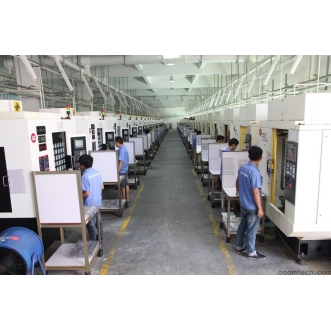
The characteristics of top CNC precision machining enterprises include investment in advanced machinery and software. Modern CNC machines, such as multi-axis systems, allow the production of complex shapes with high accuracy.
For example, some enterprises use five-axis CNC machines to manufacture parts with complicated geometries in a single setup, improving both speed and precision.
Skilled Workforce
A strong team is essential for success. Skilled CNC programmers, engineers, and machine operators ensure that production runs smoothly and accurately.
For example, experienced programmers can optimize machining paths to reduce production time while maintaining strict accuracy standards. This improves efficiency and reduces waste.
Quality-centric Approach
Top CNC precision machining enterprises follow strict quality control systems. They inspect materials before production, monitor each machining step, and test finished products carefully.
For example, an automotive supplier may choose a CNC precision machining enterprise for long-term cooperation because of its consistent ability to deliver defect-free parts that meet industry standards.
Services Provided by CNC Precision Machining Enterprises
CNC Milling and Turning
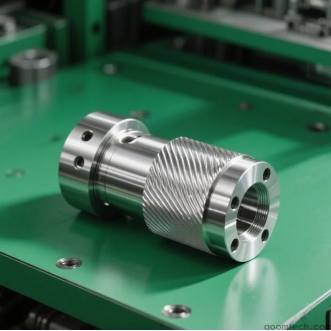
The services provided by CNC precision machining enterprises often include CNC milling and turning. Milling is used to create flat surfaces, slots, and complex shapes, while turning is used for cylindrical parts.
For example, a mechanical shaft may be created using turning, while additional grooves or holes are added through milling to complete the final design.
Grinding and Polishing
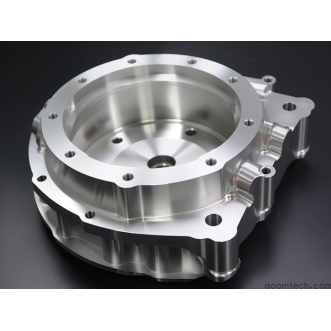
Grinding and polishing are important for improving surface quality and precision. Grinding improves dimensional accuracy, while polishing enhances surface smoothness and appearance.
For example, optical components require extremely smooth surfaces. CNC precision machining enterprises use grinding and polishing to meet strict optical performance requirements.
Prototyping and Small-batch Production
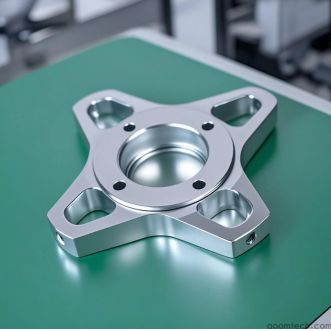
Many CNC precision machining enterprises offer prototyping services to help customers test designs before full production. They also support small-batch manufacturing for flexible production needs.
For example, a startup may first develop a prototype with a CNC precision machining enterprise, test its performance, and then proceed to small-batch production using the same partner.
Challenges Faced by CNC Precision Machining Enterprises
Intense Competition
The challenges faced by CNC precision machining enterprises include strong market competition. Many companies offer similar services, so enterprises must continuously improve technology and efficiency to stay competitive.
For example, some companies invest in automation and advanced machines to stand out and attract more customers.
High Cost of Equipment and Maintenance
CNC machines and related equipment are expensive to purchase and maintain. Regular maintenance, upgrades, and repairs require significant investment.
For example, an enterprise may need to carefully plan its budget to maintain machines without interrupting production schedules or reducing quality.
Meeting Stringent Industry Standards
Different industries have strict quality and safety requirements. CNC precision machining enterprises must meet these standards consistently.
For example, medical-focused enterprises must follow strict cleanliness and material safety standards to ensure that parts are safe for use inside the human body.
How to Select a CNC Precision Machining Enterprise
Evaluate Experience and Reputation
When learning how to select a CNC precision machining enterprise, experience and reputation are very important. Companies with long-term industry experience are more likely to deliver stable and high-quality results.
For example, a customer may choose a supplier with decades of experience in automotive parts production due to its proven reliability.
Assess Quality Assurance Measures
Strong quality control is essential. Look for certifications, inspection systems, and the use of precision measuring tools.
For example, ISO-certified enterprises often provide higher confidence in product consistency and manufacturing reliability.
Consider Cost-effectiveness and Lead Times
Price is important, but it should be balanced with delivery speed and quality. Fast and reliable delivery is often as important as cost savings.
For example, a company may choose a slightly higher-priced supplier because it guarantees on-time delivery for critical production schedules.
Conclusion: Navigating the World of CNC Precision Machining Enterprises
Summary and Key Takeaways
CNC Precision Machining Enterprises are essential in modern manufacturing. They support high-tech industries, provide customized solutions, and ensure high-quality production through advanced technology and skilled teams. However, they also face challenges such as competition, high costs, and strict industry requirements.
Understanding the significance of CNC precision machining enterprises, along with their services, characteristics, and challenges, helps businesses make better decisions. When choosing a partner, consider experience, quality systems, and overall cost-effectiveness.
Carefully evaluate potential partners to ensure your projects achieve the required precision, reliability, and efficiency in today’s competitive manufacturing environment.
 How to Ensure Precision in CNC
 Small Batch Precision CNC Mach
 What surface finish can CNC ma
 CNC Machining Tolerance Settin