


Which manufacturer to choose for CNC machining
Which Manufacturer to Choose for CNC Machining
Introduction to Choosing a CNC Machining Manufacturer
The Importance of Selecting the Right Manufacturer
Choosing the right CNC machining manufacturer is one of the most important steps for any engineering or production project. A good partner can deliver high-quality parts, stable precision, on-time delivery, and cost-effective solutions. This directly affects the success of your final product.
On the other hand, the wrong choice can cause serious problems. These may include poor-quality parts, wrong dimensions, production delays, communication issues, and unexpected extra costs. That is why understanding Which manufacturer to choose for CNC machining is essential before starting your project.
Factors to Consider When Choosing a CNC Machining Manufacturer
Quality and Precision
Quality and precision are the core of CNC machining. A reliable manufacturer must be able to meet tight tolerances and produce consistent results across all parts.
To evaluate quality, check the manufacturer’s inspection systems. Common tools include calipers, micrometers, height gauges, and coordinate measuring machines (CMMs). These tools help ensure every part matches the required design specifications.
For example, in a high-end electronic device project, a manufacturer with strong precision control can produce small metal components that fit perfectly into the assembly. This improves product stability and reduces assembly problems.
When evaluating CNC machining manufacturers, always ask about their quality control process and inspection reports.
Production Capacity
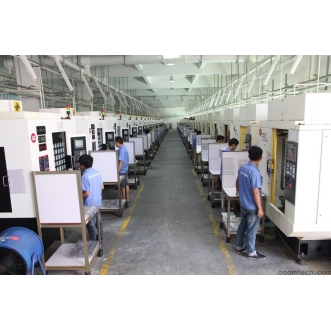
Production capacity is another key factor when selecting a manufacturer. If your order volume is large or your deadline is tight, the manufacturer must have enough machines and manpower to handle it.
You can evaluate production capacity by checking:
Number of CNC machines
Types of machines (3-axis, 4-axis, 5-axis)
Daily or monthly production output
For example, a company once experienced delays in automotive part production because the selected manufacturer had limited machine capacity. They could not handle large batch orders, which slowed down the entire supply chain.
This shows why understanding production ability is one of the key factors to consider when choosing a CNC machining manufacturer.
Experience and Expertise
Experience plays a major role in CNC machining success. A manufacturer with many years of experience is more likely to understand complex designs and industry requirements.
It is better to choose a manufacturer that has worked on similar projects in your industry, such as aerospace, automotive, medical, or electronics.
For example, in aerospace manufacturing, a complex part with internal structures may require advanced machining strategies. An experienced manufacturer can solve such challenges more efficiently and avoid costly mistakes.
Range of Services
A good CNC machining manufacturer should offer more than just machining. A full-service provider can simplify your entire production process.
Common services include:
Design assistance and engineering support
Material selection guidance
Milling, turning, and drilling operations
Surface finishing (anodizing, polishing, coating)
Assembly and packaging
For example, a company that provides one-stop service can deliver a fully finished and assembled product. This reduces communication between multiple suppliers and saves time and cost.
Cost-effectiveness
Cost is always an important factor, but it should not be the only one. The cheapest option is not always the best.
A reliable manufacturer offers competitive pricing while maintaining stable quality. It is recommended to request quotes from multiple suppliers and compare them carefully.
When comparing prices, do not only look at the total cost. Check what is included, such as material, machining, finishing, and shipping.
Helpful tips for cost evaluation:
Ask for a detailed cost breakdown
Compare market price ranges
Consider long-term cooperation discounts
Evaluate cost based on volume and complexity
These steps help you better understand choosing a reliable CNC machining manufacturer in a realistic and practical way.
Choosing a Reliable CNC Machining Manufacturer
Reviews and References
Customer reviews and references are very useful for judging reliability. Online platforms and industry forums can show real feedback from past clients.
References provide deeper insight into delivery time, communication, and product quality.
For example, a company avoided working with a manufacturer after reading repeated complaints about late deliveries and poor communication. This helped them prevent future project risks.
Certifications and Compliance
Certifications show that a manufacturer follows international quality standards.
Important certifications include:
ISO 9001 – Quality management system
ISO 13485 – Medical device manufacturing standard
AS9100 – Aerospace quality standard
For example, a medical device company will usually choose an ISO 13485-certified manufacturer to ensure compliance with strict industry regulations and patient safety requirements.
Communication and Customer Service
Good communication is essential for smooth production. A professional manufacturer should respond quickly, provide clear updates, and handle problems efficiently.
For example, during a production project, a misunderstanding in design requirements was quickly solved because the manufacturer maintained clear and frequent communication. This prevented delays and ensured correct final output.
Evaluating CNC Machining Manufacturers
Factory Visit (if possible)
Visiting the factory is one of the best ways to evaluate a manufacturer directly.
During a visit, you can observe:
Machine condition and technology level
Factory cleanliness and organization
Production workflow efficiency
Quality control procedures
For example, a factory visit may reveal outdated machines or weak quality control systems that are not visible in online presentations. This helps avoid poor manufacturing decisions.
Sample Evaluation
Requesting samples is another important step in evaluating CNC machining manufacturers.
By checking a sample, you can directly inspect:
Dimensional accuracy
Surface finish quality
Material strength and performance
For example, a company once rejected a supplier after sample testing showed that the parts did not meet required tolerance levels. This prevented future production issues.
Conclusion: Making an Informed Decision in Choosing a CNC Machining Manufacturer
Summary and Key Takeaways
Selecting the right CNC partner requires careful evaluation of multiple factors, including quality, production capacity, experience, services, cost, certifications, and communication. Each factor plays an important role in project success.
When deciding Which manufacturer to choose for CNC machining, it is important to take time to research, compare, and verify each option. Use reviews, certifications, samples, and factory visits to support your decision.
Start by shortlisting potential manufacturers based on the criteria discussed above. A careful selection process will help you build a reliable long-term manufacturing partnership and ensure consistent product quality.
 How to Ensure Precision in CNC
 Small Batch Precision CNC Mach
 What surface finish can CNC ma
 CNC Machining Tolerance Settin