


What precision can CNC machining achieve for steel parts?
What precision can CNC machining achieve for steel parts?
When people ask “What precision can CNC machining achieve for steel parts?”, they are usually trying to understand how accurately steel components can be manufactured for real industrial use. Precision is not just a technical detail—it directly affects how well parts fit, how long they last, and how safely they perform in machines, vehicles, and industrial systems.
Steel is one of the most widely used engineering materials in the world. It is strong, durable, and suitable for demanding applications in automotive, aerospace, energy, and heavy machinery. However, because steel parts are often used in high-load and high-speed environments, precision machining becomes extremely important.
This article explains the typical precision levels in CNC machining of steel parts, the key factors that influence accuracy, and why precision matters so much in real-world manufacturing.
The Significance of Precision in Steel Part Machining
Precision in steel part machining is essential because even small errors can lead to poor assembly, increased wear, or system failure. In industries such as automotive and aerospace, components must work together with very tight tolerances.
Understanding achievable accuracy helps engineers and buyers set realistic expectations before production starts. It also helps manufacturers choose the right machining process, tools, and inspection methods. In modern production, CNC machining is widely trusted because it can consistently deliver high and repeatable precision.
Precision Levels in CNC Machining of Steel Parts
Dimensional Precision
In most modern CNC machining operations, steel parts can typically achieve dimensional accuracy within ±0.01 to ±0.1 mm, depending on machine capability, part complexity, and inspection methods.
High-end CNC machines used in precision industries can even achieve tighter tolerances for specific features. For example, automotive engine components such as pistons, crankshafts, and valve parts require very controlled dimensions to ensure smooth operation and long service life.
This level of dimensional precision ensures that parts fit together correctly, reducing friction, preventing misalignment, and improving overall mechanical performance.
Geometric Precision
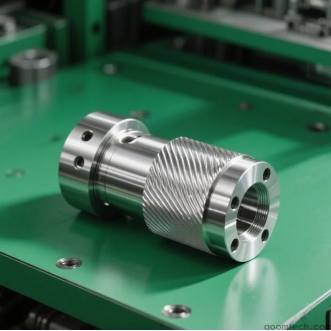
Geometric precision refers to the accuracy of shapes such as flatness, straightness, roundness, and parallelism. CNC machining can achieve very high geometric control in steel parts when properly set up.
For example, a machined steel plate can typically achieve a flatness tolerance of around 0.05–0.1 mm over a defined surface area. Cylindrical parts such as shafts can maintain roundness within a few microns in high-precision applications.
These geometric tolerances are especially important in rotating systems. A small deviation in roundness or alignment can lead to vibration, noise, and premature wear in high-speed machinery.
Surface Finish Precision
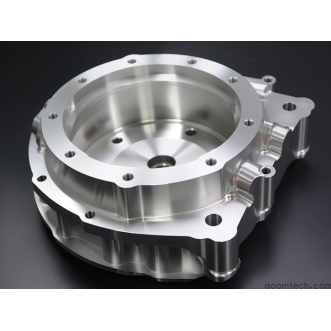
Surface finish is another important part of machining precision. CNC machining can produce steel parts with surface roughness ranging from Ra 0.8 to Ra 6.3 µm, depending on the machining process and cutting parameters.
Smoother surfaces are required in applications where friction reduction or sealing performance is important. For example, hydraulic cylinders require smooth internal surfaces to prevent leakage and ensure consistent pressure performance.
Different machining operations such as finishing passes, tool selection, and cutting speed directly affect the final surface quality. Fine finishing operations are often used when high performance is required.
Factors Affecting Precision in CNC Steel Part Machining
Machine Quality and Maintenance
The quality of the CNC machine is one of the most important factors affecting precision. High-end machines with advanced servo systems, rigid structures, and precise spindle control can achieve much better accuracy.
Regular maintenance is equally important. Calibration of machine axes, spindle inspection, and replacement of worn components all help maintain consistent accuracy. A poorly maintained machine may introduce errors such as axis drift or vibration, leading to inaccurate parts.
Tooling Selection and Wear
Cutting tools directly influence machining precision. Tools made from carbide or coated materials usually provide better stability and longer life compared to standard high-speed steel tools.
However, tool wear is unavoidable. As tools wear down, dimensional accuracy can gradually change. For example, a worn drill bit may produce holes that are slightly larger than intended.
Monitoring tool condition and replacing tools at the right time is essential to maintaining stable precision throughout production.
Material Properties and Preparation
Steel material properties such as hardness, internal stress, and grain structure can affect machining behavior. Heat-treated steel, for example, may be harder to cut and may cause tool deflection if not properly managed.
Proper preparation of raw material is also important. Uneven or defective material can lead to inconsistent cutting conditions, resulting in poor dimensional control or surface defects.
CNC Programming and Parameters
CNC programming plays a critical role in achieving precision. Key parameters such as feed rate, spindle speed, and cutting depth must be carefully selected based on material and tool type.
If feed rate is too high, it may cause vibration or chatter, reducing surface quality and accuracy. If cutting parameters are too aggressive, tool deflection may occur, leading to dimensional errors.
Well-optimized programming ensures stable cutting conditions, improved surface finish, and higher overall precision.
Importance of Precision in CNC - Machined Steel Parts
Functional Performance
Precision directly affects how well steel parts function in real applications. Properly machined parts ensure smooth assembly and efficient operation.
For example, in gear systems, precise tooth geometry ensures smooth power transmission, reduced noise, and less energy loss. In engines, accurate components help maintain efficiency and reduce mechanical wear.
This is where importance of precision in CNC - machined steel parts becomes clearly visible in everyday industrial performance.
Safety and Reliability
In critical industries such as aerospace, automotive, and energy, precision is closely linked to safety. Even small deviations can lead to serious failures under stress or high-speed conditions.
For example, components in aircraft landing gear or automotive braking systems must meet strict tolerances. Any deviation in these parts can reduce reliability and increase risk during operation.
Cost-effectiveness
High precision reduces the need for rework, scrap, and post-processing. This leads to lower production costs and faster delivery times.
In addition, precise steel parts typically last longer, reducing maintenance and replacement costs over time. For example, a precisely machined mold used in mass production can operate for a longer period with fewer adjustments, improving long-term profitability.
Conclusion: Understanding Precision in CNC Machining of Steel Parts
CNC machining can achieve high levels of precision in steel parts, typically ranging from ±0.01 to ±0.1 mm in dimensional accuracy, with tight control over geometry and surface finish depending on requirements. The actual result depends on multiple factors, including machine quality, tooling condition, material properties, and CNC programming.
The precision levels in CNC machining of steel parts are one of the key reasons this manufacturing method is widely used in industries that demand reliability and performance. At the same time, factors affecting precision in CNC steel part machining must always be carefully managed to ensure stable results.
In summary, understanding precision helps manufacturers and buyers make better decisions, reduce risks, and improve product quality. For complex or high-precision projects, consulting experienced CNC machining professionals is always recommended to achieve the best results for specific steel part requirements.
 How to Ensure Precision in CNC
 Small Batch Precision CNC Mach
 What surface finish can CNC ma
 CNC Machining Tolerance Settin