


How to Choose a CNC Precision Machining Factory
How to Choose a CNC Precision Machining Factory
Introduction to Choosing a CNC Precision Machining Factory
The Significance of Making the Right Choice
Choosing the right CNC precision machining factory is very important for companies and individuals who need accurate and high-quality parts. Whether you are working on prototypes, small-batch production, or large-scale manufacturing, the machining quality directly affects product performance, durability, and overall cost efficiency. A wrong choice can lead to delays, rework, and wasted budget.
This article on How to Choose a CNC Precision Machining Factory will guide you through the most important factors, including experience, quality control, equipment, pricing, delivery time, and customer service. You will also learn practical tips for evaluating suppliers in real situations.
Factors in Choosing a CNC Precision Machining Factory
Experience and Expertise
Industry Experience
When considering factors in choosing a CNC precision machining factory, experience is one of the most important. A factory with many years of operation has likely worked with different materials, complex designs, and challenging requirements. This experience helps reduce errors and improve production efficiency.
For example, in industries like aerospace or medical equipment, even small errors can cause serious problems. Experienced factories are more likely to understand strict tolerance requirements and deliver stable, reliable results.
Expertise in Specific Machining Processes
Different factories may specialize in different processes such as milling, turning, or EDM (Electrical Discharge Machining). If your part requires complex internal shapes or fine details, choosing a factory with EDM expertise is more suitable.
To evaluate this, you can ask for sample parts, case studies, or photos of similar projects they have completed. This helps you confirm whether their skills match your needs.
Quality Assurance
Quality Control Systems
A strong quality control system is essential for evaluating CNC precision machining factory quality. Good factories use multiple inspection steps, including in-process checks and final inspections.
Modern quality systems often follow the standards of
In-process inspections are especially important because they help detect errors early, preventing large batches of defective parts.
Certifications and Standards Compliance
Certifications show that a factory follows recognized international standards. For example, in the medical industry, compliance with
These certifications increase trust and show that the factory is committed to consistent quality and continuous improvement.
Equipment and Technology
Modern Machinery
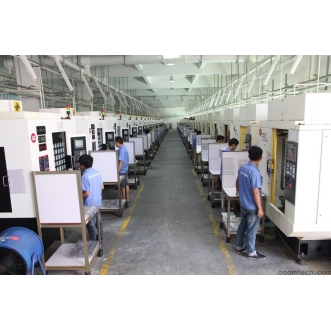
Advanced CNC machines play a key role in precision manufacturing. Modern equipment offers higher accuracy, faster production speed, and better flexibility.
For example, multi-axis CNC machines can produce complex 3D shapes in a single setup, reducing errors and saving time. When selecting a factory, it is helpful to ask about the age, type, and capability of their machines.
Advanced Technology Adoption
Factories that use modern technologies such as CAD/CAM software, automation systems, and real-time monitoring can improve efficiency and reduce human error.
CAD/CAM software improves programming accuracy, while automation helps maintain consistent production quality. Real-time monitoring systems can detect machine issues early, preventing downtime and improving delivery reliability.
Cost-related Considerations
Quotation Transparency
When comparing suppliers, clear pricing is very important. A good quotation should include all cost items such as materials, machining time, tooling, surface finishing, and shipping fees.
A transparent quote helps you understand the full cost structure and supports fair comparison between different factories. Hidden costs can cause budget problems later.
Cost-effectiveness
While price is important, it should not be the only factor. A cheaper factory may produce lower-quality parts, leading to higher long-term costs due to rework or failures.
In cost-related considerations in choosing a CNC precision machining factory, the goal is to balance price and quality. Requesting samples or checking past projects can help you evaluate real value.
Delivery Time and Capacity
Delivery Time Reliability
On-time delivery is critical for production schedules. A reliable factory should be able to meet agreed deadlines consistently.
Before choosing a supplier, ask about their average lead times and how they handle urgent orders. Delays can disrupt your entire production chain.
Production Capacity
A factory’s production capacity must match your order size. If capacity is too small, delays may occur. If too large without proper management, quality may become inconsistent.
You can evaluate capacity by asking about monthly output, machine quantity, and experience with similar order volumes.
Customer Service and Communication
Responsiveness
Good communication is essential for successful cooperation. A responsive factory quickly answers questions about design, production status, or technical issues.
Slow communication may lead to misunderstandings, delays, or production errors.
Communication Clarity
Clear communication ensures both sides understand project requirements. This includes drawings, tolerances, materials, deadlines, and updates during production.
Using detailed technical drawings and regular progress updates helps reduce mistakes and improves cooperation efficiency.
Conclusion: Making an Informed Decision
Summary and Key Takeaways
Selecting the right manufacturing partner requires careful evaluation. When learning How to Choose a CNC Precision Machining Factory, always consider experience, quality control, equipment, pricing, delivery reliability, and communication ability.
A well-rounded factory is not only focused on low cost but also ensures stable quality and long-term reliability. Taking time to compare multiple suppliers will help you avoid risks and achieve better results for your project.
Start by listing potential factories, request quotations, compare capabilities, and review samples before making your final decision. This structured approach will help you find the most suitable CNC precision machining partner for your needs.
 How to Ensure Precision in CNC
 Small Batch Precision CNC Mach
 What surface finish can CNC ma
 CNC Machining Tolerance Settin