


Process for Batch Custom CNC Machining Parts
Process for Batch Custom CNC Machining Parts
The Process for Batch Custom CNC Machining Parts is a structured manufacturing workflow used to produce multiple identical or customized components using computer-controlled machines. This method is widely used in industries such as automotive, aerospace, electronics, and medical devices because it combines precision, repeatability, and efficiency.
Understanding this process is important for engineers, manufacturers, and business owners because it helps reduce production costs, improve product quality, and ensure consistent output across large quantities of parts.
The Significance of Batch Custom CNC Machining Parts
Batch custom CNC machining plays a key role in modern manufacturing. Instead of producing a single part, manufacturers produce a group (batch) of identical or similar parts using the same setup and program. This improves efficiency and reduces unit cost.
In industries like automotive or aerospace, even small design variations can affect performance. Batch production ensures that each part meets strict requirements while still allowing customization for specific applications.
Steps in the Process for Batch Custom CNC Machining Parts
Design and Engineering
The process begins with design and engineering using :contentReference[oaicite:0]{index=0} software. Engineers create a 3D model of the part, defining its shape, size, and function.
At this stage, manufacturability is carefully considered. Engineers ensure the design can be efficiently produced using CNC machines. In industries like aerospace, parts must also pass stress and thermal analysis, while medical components must meet strict hygiene and biocompatibility standards.
CNC Programming
The CAD model is converted into machine instructions using :contentReference[oaicite:1]{index=1}. Programmers define toolpaths, cutting speeds, feed rates, and machining depth.
For batch production, programs are optimized to reduce tool changes and machining time. Complex geometries may require multi-axis toolpaths or special cutting strategies to maintain accuracy across all parts.
Material Selection and Procurement
Choosing the right material is essential for performance and durability. Common materials include aluminum, stainless steel, titanium, plastics, and composites.
Each material has different properties such as strength, corrosion resistance, and machinability. For example, aluminum is often used for lightweight components, while stainless steel is chosen for strength and durability.
In batch production, materials are purchased in bulk to reduce cost and ensure consistency across all parts.
Machine Setup and Tooling
CNC machines are prepared with the correct fixtures, tools, and calibration settings. Fixtures hold the workpiece in place to ensure identical positioning for every part in the batch.
Tool selection is critical. High-quality cutting tools improve precision and reduce wear during long production runs. Machine parameters such as spindle speed and feed rate are adjusted according to material type and part geometry.
Machining Operations and Quality Control
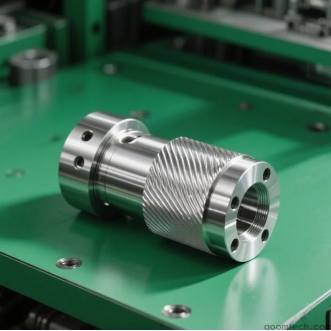
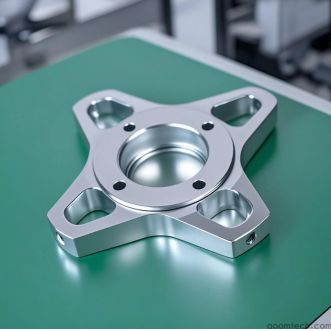
Common machining operations include milling, turning, drilling, and grinding. These operations shape the material into finished parts according to the design.
During production, quality control for batch custom CNC parts is applied using tools like calipers, micrometers, and surface roughness testers. A coordinate measuring machine (CMM) may be used for high-precision inspection of sample parts.
If any deviation is detected, adjustments are made immediately to avoid mass production of defective parts.
Finishing and Packaging
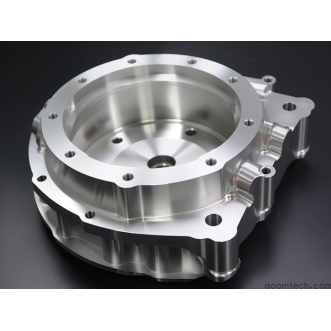
After machining, parts often require finishing processes such as deburring, polishing, anodizing, or plating. These steps improve appearance, durability, and corrosion resistance.
Finished parts are inspected again before packaging. Proper packaging ensures protection during transportation and prevents damage such as scratches or deformation.
Considerations for Batch Production
Production Planning and Scheduling
Efficient planning ensures smooth workflow. Manufacturers must consider machine availability, tool life, material delivery, and production deadlines.
Good scheduling reduces downtime and prevents bottlenecks in the production line.
Cost-Effectiveness
Although setup costs for CNC machining can be high, batch production reduces the cost per part. Optimizing toolpaths, minimizing waste, and buying materials in bulk improve profitability.
Balancing cost and quality is essential for long-term success.
Consistency and Repeatability
One of the main goals of batch production is ensuring every part is identical. This requires stable machine calibration, consistent tooling, and strict process control.
Using automated monitoring systems helps maintain repeatability across large production runs.
Benefits of Batch Custom CNC Machining Parts
High-Quality and Customized Parts
CNC machining delivers high precision and excellent surface quality. Each part can be customized while still maintaining uniformity across the batch.
Efficiency in Production
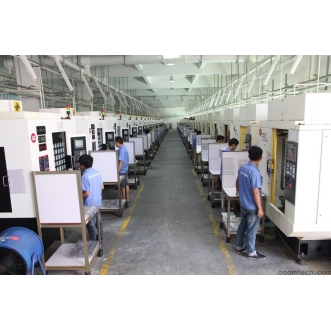
Once the machine is set up, it can produce large quantities of parts with minimal human intervention. This increases productivity and reduces labor costs.
Flexibility in Design Changes
If design updates are needed, engineers can quickly modify the CAD model and update the CAM program without changing physical tooling significantly.
Challenges in Batch Custom CNC Machining Parts Production
Tool Wear and Replacement
Continuous machining leads to tool wear, which can affect accuracy and surface quality. Monitoring tool life and replacing tools at the right time is essential to avoid defects.
Quality Assurance for Large Batches
As batch size increases, maintaining uniform quality becomes more difficult. Statistical Process Control (SPC) is often used to monitor variations and maintain consistency.
Inventory Management
Managing materials and finished parts requires careful planning. Overstocking increases costs, while shortages delay production. Inventory systems help track usage and demand accurately.
Quality Control in Batch Custom CNC Machining Parts
In-Process Inspection
Measurements are taken during machining to detect errors early. This reduces waste and prevents defective parts from continuing through production.
Final Inspection and Sampling
A sample of finished parts is inspected using precision instruments such as CMMs. Tolerances and surface finish requirements are checked carefully.
Non-conforming parts are either reworked, corrected, or rejected based on severity.
How to Choose a Service Provider for Batch Custom CNC Machining Parts
Experience and Expertise
Choose a provider with proven experience in CNC machining. Case studies, certifications, and client feedback help evaluate reliability.
Equipment and Technology
Advanced CNC machines, multi-axis systems, and modern CAD/CAM tools improve production efficiency and accuracy.
Quality Assurance and Customer Service
A reliable provider should have strong inspection systems, calibration processes, and responsive communication. Good customer service ensures smooth collaboration and timely updates.
Conclusion: Mastering the Process for Batch Custom CNC Machining Parts
The Process for Batch Custom CNC Machining Parts is a critical part of modern manufacturing. It combines design precision, automated machining, and strict quality control to produce reliable and consistent parts.
Key success factors include careful planning, proper material selection, optimized CNC programming, and strong quality assurance systems. By understanding the steps in batch custom CNC machining and addressing challenges in batch custom CNC parts production, manufacturers can achieve high efficiency and excellent product quality.
As manufacturing technology continues to advance, staying updated with modern CNC systems and quality control methods will remain essential for long-term competitiveness.
 How to Ensure Precision in CNC
 Small Batch Precision CNC Mach
 What surface finish can CNC ma
 CNC Machining Tolerance Settin