


Batch Machining Process for CNC Machined Precision Aluminum Parts
Batch Machining Process for CNC Machined Precision Aluminum Parts
The Batch Machining Process for CNC Machined Precision Aluminum Parts plays a vital role in modern manufacturing industries such as automotive, aerospace, electronics, and industrial equipment. It enables manufacturers to produce multiple identical aluminum components with high precision, stable quality, and efficient cost control.
Understanding this process is essential for engineers, manufacturers, and quality control teams because it directly affects production efficiency, product reliability, and overall manufacturing cost. In today’s competitive market, batch production ensures that companies can meet large-scale demand while maintaining strict dimensional accuracy and consistency.
The Significance of Batch Machining for Precision Aluminum Parts
Batch machining allows manufacturers to produce multiple CNC-machined aluminum parts in a single production cycle. This approach ensures consistent quality and reduces per-unit cost. Aluminum is widely used due to its lightweight properties, corrosion resistance, and good machinability, making it ideal for precision components.
In industries like aerospace and automotive, even small deviations in part quality can lead to performance issues. Batch machining ensures that every part in the production lot meets the same engineering standards. This improves product reliability and reduces waste caused by defective parts.
Step-by-Step Batch Machining Process
Design and Programming
The process begins with detailed engineering design using CAD (Computer-Aided Design) software. Engineers create a 3D model of the aluminum part, considering strength, function, and manufacturability.
Next, CAM (Computer-Aided Manufacturing) software converts the CAD model into CNC machining instructions. This stage includes generating optimized toolpaths, selecting cutting speeds, feed rates, and depth of cut.
A well-optimized program is crucial in batch machining steps for CNC aluminum parts because it directly affects production speed and surface quality. For example, complex geometries like heat sinks require high-speed toolpaths, while structural brackets require stable cutting strategies for accuracy.
Material Preparation
High-quality aluminum materials are selected based on required strength, corrosion resistance, and machining performance. Common alloys include 6061 and 7075 aluminum.
The raw material is inspected for defects such as cracks, impurities, or internal voids. It is then cut into blanks suitable for CNC machining. Proper material preparation ensures stability during machining and reduces the risk of deformation.
Machine Setup and Tooling
CNC machines are set up with precision fixtures to ensure each part is positioned consistently throughout the batch process. This is critical for maintaining uniform quality across all units.
Cutting tools such as carbide end mills and turning inserts are selected based on machining requirements. Machine calibration ensures accuracy before production begins.
For high-volume production, quick-change tooling systems and multi-axis CNC machines improve efficiency and reduce downtime.
Machining Operations
Milling
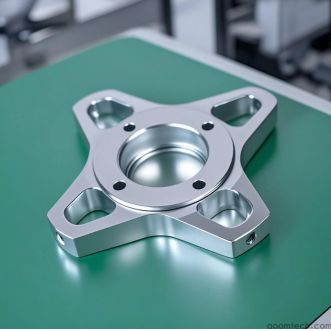
Milling is used to produce flat surfaces, holes, grooves, and complex 3D shapes. High-speed milling is commonly used in aluminum machining due to its excellent machinability.
Adjusting cutting parameters is essential to achieve smooth surface finishes and tight tolerances. For example, electronic heat sinks require precise fin structures to ensure effective heat dissipation.
Turning
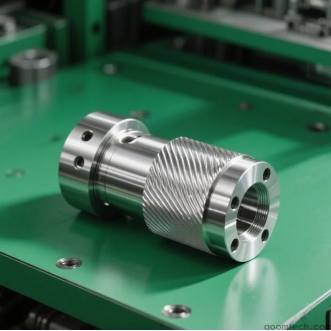
Turning is used to manufacture cylindrical components such as shafts, bushings, and connectors. The workpiece rotates while the cutting tool removes material.
Tool wear must be carefully monitored during batch production to ensure consistent diameter and surface quality across all parts. Automated tool compensation systems help maintain precision during long production runs.
Quality Inspection
Quality inspection is performed throughout and after machining. Measuring tools such as calipers, micrometers, and surface roughness testers are used for in-process checks.
Coordinate Measuring Machines (CMMs) are used for final inspection to ensure all dimensions meet design specifications. Non-conforming parts are either reworked or rejected depending on severity.
Key Considerations in Batch Machining of Precision Aluminum Parts
Tool Wear and Replacement
Continuous machining causes tool wear, which can lead to dimensional errors and poor surface finish. Tool monitoring systems help track tool life and schedule timely replacements.
Thermal Management
Machining aluminum generates heat, which can affect dimensional stability. Coolants and lubricants are used to control temperature and improve tool life. Water-soluble coolants are commonly used in aluminum machining for effective heat dissipation.
Consistency in Setup
Consistent machine setup is essential. Even small variations in fixture alignment or tool positioning can lead to defects across the batch. Standard operating procedures and calibration tools help maintain consistency.
These key considerations in CNC precision aluminum batch machining are essential for achieving stable production quality.
Advantages of Batch Machining for Precision Aluminum Parts
Cost-effectiveness
Batch machining reduces cost per unit by spreading setup and programming costs across multiple parts. Automation further reduces labor costs and improves efficiency.
High-quality and Consistent Parts
CNC automation ensures that each part is produced with minimal variation. This consistency is critical for industries where parts must be interchangeable.
Production Efficiency
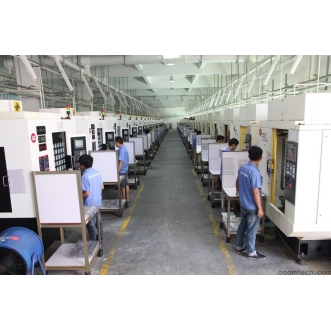
Once setup is complete, machines can run continuously with minimal downtime. Automated tool changes and optimized toolpaths significantly increase production speed.
Quality Control in Batch Machining of Precision Aluminum Parts
In-process Inspection
In-process inspection ensures that machining parameters remain within tolerance during production. Operators regularly check dimensions and tool wear to avoid producing defective parts.
This quality control in batch machining of CNC aluminum parts helps detect problems early and reduces waste.
Final Inspection
Final inspection uses high-precision equipment such as CMMs and optical measurement systems. Statistical Process Control (SPC) is often applied to monitor production trends and maintain quality stability.
Common Challenges and Solutions in Batch Machining
Variation in Part Quality
Quality variation may result from tool wear, inconsistent setup, or raw material differences. Regular maintenance, strict process control, and statistical analysis help reduce variation.
Production Delays
Delays may occur due to tool breakage or machine failure. Preventive maintenance, spare tooling, and predictive monitoring systems help maintain continuous production flow.
Conclusion: Mastering the Batch Machining Process for CNC Machined Precision Aluminum Parts
The Batch Machining Process for CNC Machined Precision Aluminum Parts is a highly efficient and reliable manufacturing method for producing high-precision components at scale. By following structured processes—from design and programming to inspection—manufacturers can achieve consistent quality and cost efficiency.
Successful batch production depends on precision, stable machine setup, effective thermal management, and strict quality control. Continuous improvement and operator training are also essential for long-term success.
By understanding the full workflow and applying best practices, manufacturers can fully optimize batch machining steps for CNC aluminum parts and improve overall production performance in competitive industries.
 How to Ensure Precision in CNC
 Small Batch Precision CNC Mach
 What surface finish can CNC ma
 CNC Machining Tolerance Settin