


CNC Machining Supplier for Transmission Rod Parts
CNC Machining Supplier for Transmission Rod Parts: How to Choose the Right Partner
Finding a reliable CNC Machining Supplier for Transmission Rod Parts is essential for industries that depend on stable motion transfer systems. Transmission rod parts are widely used in automotive, industrial machinery, agricultural equipment, and other mechanical systems. Because these parts directly affect power transmission and motion control, even a small machining error can lead to serious performance problems.
This article explains what transmission rod parts require, how to evaluate CNC suppliers, and what key factors help ensure you choose a dependable manufacturing partner.
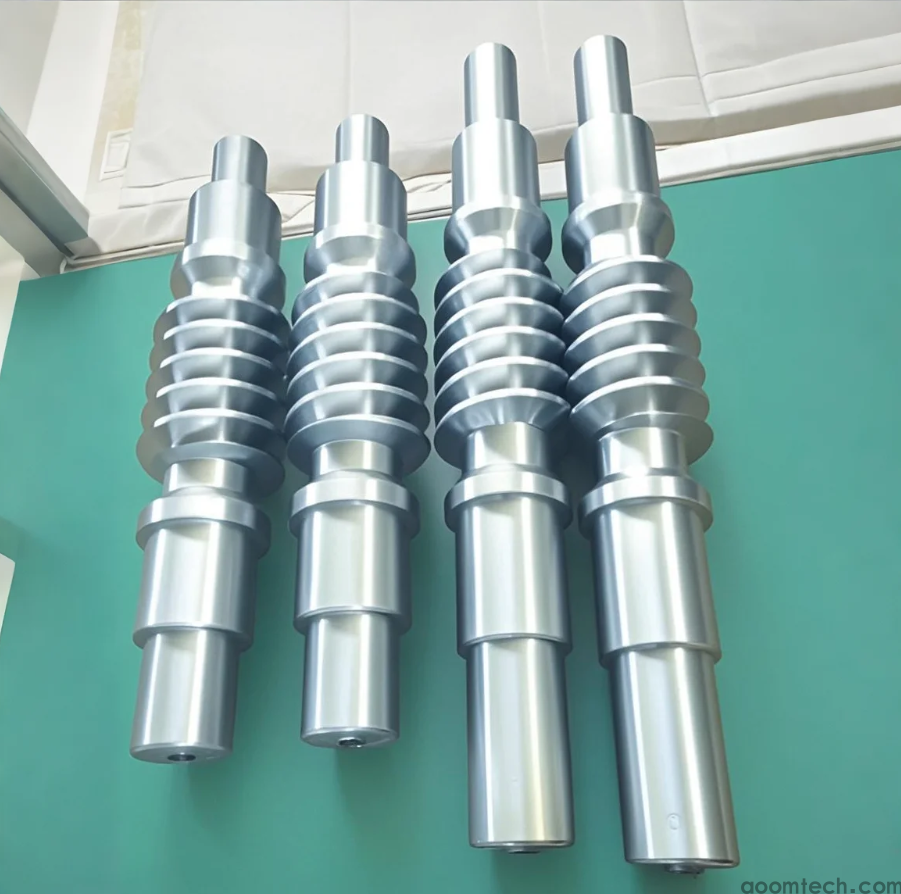
Understanding Transmission Rod Parts
Function and Importance
Transmission rod parts are mechanical components used to transfer force, motion, or torque between different parts of a machine. They act as connectors in systems where synchronized movement is required.
In automotive systems, for example, a transmission rod helps ensure smooth gear shifting. If the rod is poorly manufactured, it may cause vibration, delayed response, or even system failure. In industrial machines, a defective rod can interrupt production and lead to costly downtime.
Because of this, selecting a reliable CNC supplier is not just a purchasing decision—it is a performance and safety decision.
Typical Requirements
Transmission rod parts usually have strict technical requirements:
High dimensional accuracy: Tight tolerances on diameter, length, and alignment are necessary for smooth assembly.
Excellent surface finish: A smooth surface reduces friction, wear, and energy loss during operation.
Strong material performance: Materials must offer high strength, fatigue resistance, and durability under continuous load.
These requirements make precision CNC machining the most suitable production method.
Evaluating Machining Capabilities
Machine Types
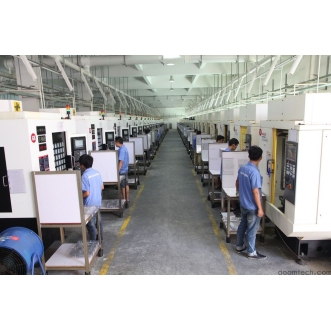
When selecting a CNC Machining Supplier for Transmission Rod Parts, one of the most important factors is equipment capability. Different machines contribute to different stages of production:
CNC lathes: Used for turning cylindrical shapes, which is the core structure of most transmission rods. They ensure roundness and concentricity.
CNC machining centers: Used for secondary features such as keyways, grooves, drilling, and flat surfaces.
Precision grinding machines: Used to achieve ultra-smooth surface finishes and extremely tight tolerances.
A supplier with a complete machine set can handle the full production process more efficiently and with better consistency.
Multi-axis Machining
Advanced suppliers often offer 4-axis or 5-axis machining. This capability is especially important for complex transmission rod designs that require machining from multiple angles.
With multi-axis systems, the part can often be completed in a single setup. This reduces repositioning errors and improves overall accuracy.
For example, transmission rods used in high-performance machinery may include angled holes or non-standard geometries. Multi-axis machining allows these features to be produced with higher precision and shorter lead times.
These advanced capabilities are often described as part of the machining capabilities of transmission rod parts CNC suppliers, and they are a key factor in supplier selection.
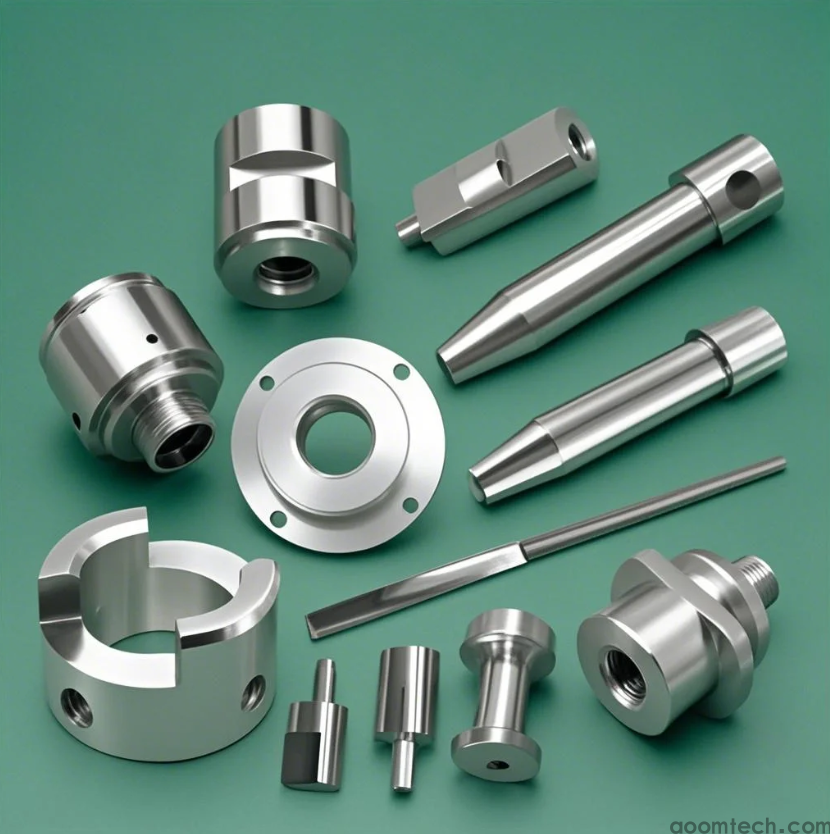
Quality Assurance in Production
In-process Quality Control
Strong quality assurance for transmission rod parts CNC machining starts during production, not after it. Reliable suppliers implement strict inspection procedures at every stage.
Common tools used include:
Calipers for quick dimensional checks
Micrometers for high-precision measurements
Coordinate Measuring Machines (CMM) for detailed geometry verification
By checking parts during machining, suppliers can identify deviations early. This prevents mass production of defective parts and reduces waste and rework costs.
Final Inspection and Testing
After machining is complete, transmission rod parts must undergo final inspection and testing. This ensures that both dimensional and material requirements are met.
Common tests include:
Hardness testing: Confirms material strength after heat treatment.
Tensile testing: Evaluates how much force the part can withstand before failure.
Fatigue testing: Simulates long-term use under repeated stress.
Non-destructive testing (NDT): Methods such as ultrasonic or magnetic particle inspection detect internal defects without damaging the part.
Suppliers that provide detailed inspection reports demonstrate higher reliability and engineering discipline.
Experience and Engineering Expertise
Industry Experience
A qualified supplier should have experience in industries where transmission rod parts are widely used, such as automotive manufacturing and heavy machinery production.
Experienced suppliers understand common challenges like vibration control, load balancing, and wear resistance. They are also more likely to meet industry standards and quality expectations.
Requesting case studies or past project references is a good way to evaluate real-world capability.
Knowledge of Transmission Rod Design
A strong CNC supplier should also understand the engineering principles behind transmission rods. This includes stress distribution, heat treatment effects, and material selection.
This expertise allows them to suggest improvements in part design, such as optimizing wall thickness or improving machining strategies for high-stress areas.
Cost-effectiveness and Delivery Performance
Price Comparison
When evaluating suppliers, always compare multiple quotations. However, the lowest price does not always mean the best value.
A proper comparison should include:
Material cost
Machining cost
Surface treatment or heat treatment costs
Inspection and reporting services
This is often referred to as selecting a cost-effective transmission rod parts CNC machining supplier selection strategy.
Negotiation can also include volume discounts or long-term cooperation agreements to reduce cost over time.
Delivery Time and Reliability
Fast and reliable delivery is critical in modern supply chains. A good supplier should provide realistic lead times and consistently meet deadlines.
Check whether the supplier has enough production capacity and how they handle unexpected delays such as machine breakdowns or material shortages.
On-time delivery is a strong indicator of professional management and production stability.
Customer Service and Communication
Responsiveness
Strong communication is a key part of successful cooperation with a CNC Machining Supplier for Transmission Rod Parts. Suppliers should respond quickly to technical questions, quotation requests, and production updates.
Good responsiveness during early communication often reflects how they will manage the entire project.
This is closely related to the customer service of transmission rod parts CNC suppliers, which plays a major role in long-term partnerships.
Technical Support
A professional supplier should also offer engineering support. This includes:
Design for manufacturability (DFM) suggestions
Material selection guidance
Process optimization advice
Strong technical support helps reduce production risks and improves part performance before manufacturing even begins.
Conclusion
Choosing the right CNC Machining Supplier for Transmission Rod Parts requires careful evaluation of machining capability, quality control systems, industry experience, cost structure, and communication quality.
Reliable suppliers combine advanced CNC equipment, strict inspection processes, and strong engineering knowledge. By focusing on both technical ability and service quality, businesses can ensure stable performance, longer part life, and reduced production risks.
In the long run, the right supplier is not just a manufacturer—it is a technical partner that supports product reliability and business success.
 How to Ensure Precision in CNC
 Small Batch Precision CNC Mach
 What surface finish can CNC ma
 CNC Machining Tolerance Settin