


How to Effectively Machine Hard Materials with CNC
How to Effectively Machine Hard Materials with CNC
Machining hard materials is one of the most challenging tasks in modern manufacturing. Materials such as hardened steel, carbide, and ceramics are widely used in high-performance industries, but they are difficult to cut and shape using standard methods. This article explains How to Effectively Machine Hard Materials with CNC in a practical and simple way, helping engineers, machinists, and beginners understand the key principles behind successful processing.
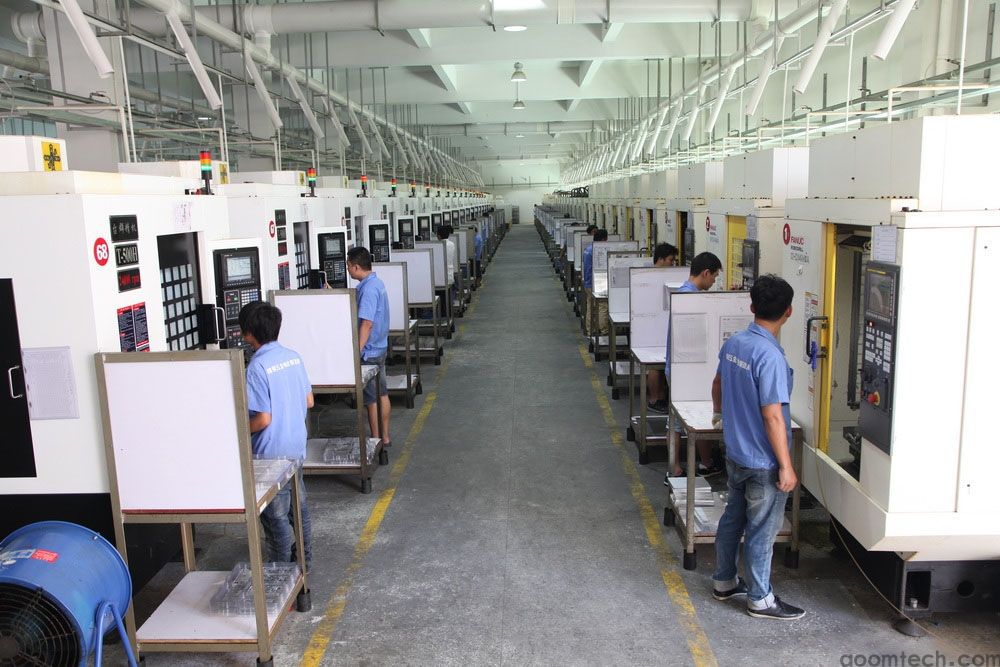
Understanding Hard Materials
Properties of Hard Materials
Hard materials are known for their high hardness, strong wear resistance, and low ductility. These properties make them durable, but also difficult to machine. Examples include hardened steels used in tooling, tungsten carbide used in cutting tools, and ceramics used in aerospace components.
During machining, these properties create several challenges:
Increased tool wear due to high abrasion resistance
Higher cutting forces required to remove material
Greater heat generation at the cutting zone
Higher risk of tool chipping or breakage
Applications of Hard Materials
Hard materials are essential in industries where performance and durability are critical. In aerospace, they are used for turbine blades and engine components that must withstand extreme temperatures and stress. In the automotive industry, hardened gears and shafts improve transmission efficiency and lifespan. Tool-making industries also rely on these materials for molds, dies, and cutting tools.
Because these parts are often safety-critical, precision machining is not optional—it is essential.
Selecting the Right CNC Machine
Machine Rigidity
Rigidity is one of the most important factors in CNC machine selection for hard-material machining. A rigid machine structure reduces vibration, which helps maintain accuracy and improves tool life.
When evaluating rigidity, consider:
Heavy-duty machine frame construction (cast iron or mineral casting)
High-quality linear guides and ball screws
Stable machine base design with minimal deflection
Spindle Power and Speed
Hard materials require strong cutting power. A high-torque spindle is often more important than high speed. However, the optimal spindle speed depends on both the material and the cutting tool.
General guidance:
Hardened steel: moderate speed with high torque
Carbide materials: lower speed, extremely rigid setup required
Ceramics: specialized high-speed grinding or diamond tooling
Choosing the correct machine setup is a key step in CNC machine selection for hard-material machining.
Tooling for Hard Materials
Tool Materials
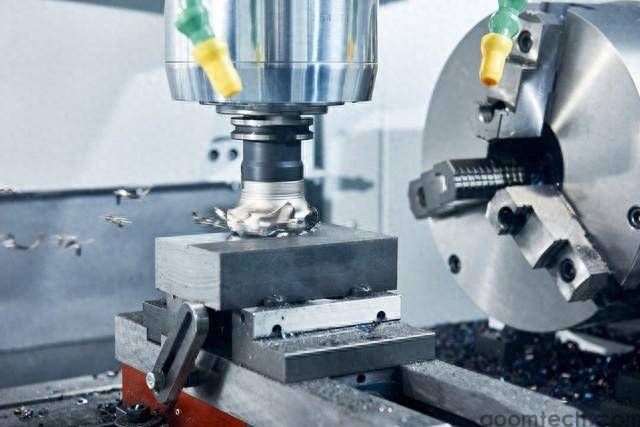
Tool selection is critical when dealing with hard materials. Standard HSS tools are usually not suitable. Instead, manufacturers rely on:
Carbide tools: high hardness and good wear resistance, suitable for most hardened steels
Ceramic tools: ideal for high-speed finishing of heat-resistant alloys
Diamond-coated tools: excellent for non-ferrous hard materials and ceramics
Each tool type has advantages and limitations. Carbide is versatile but wears faster than diamond tools. Diamond tools are highly durable but expensive and limited in application.
Tool Geometry
Tool geometry directly affects cutting performance. For hard materials, tools must be strong and stable to resist chipping.
Important design features include:
Stronger cutting edge for impact resistance
Optimized rake angle to reduce cutting forces
Shorter tool overhang to reduce vibration
Tool Wear Monitoring
Tool wear happens quickly when machining hard materials. If not controlled, it leads to poor surface finish and dimensional errors.
Common monitoring methods include:
Visual inspection of cutting edges
Measuring tool diameter changes
Using CNC tool wear sensors or tool life tracking systems
Timely tool replacement is essential for maintaining stable production quality in tooling for hard-material CNC machining.
Optimizing Machining Parameters
Cutting Speed
When machining hard materials, lower cutting speeds are generally recommended to reduce heat and tool wear. However, the exact value depends on tool type and material hardness.
Hardened steel: 30–120 m/min (carbide tools)
Tool steel (high hardness): 20–80 m/min
Ceramics: specialized grinding processes instead of traditional cutting
Feed Rate
Feed rate must be carefully balanced. Too fast increases cutting force and tool damage. Too slow causes rubbing and heat buildup.
Recommended approach:
Use moderate feed rates for roughing operations
Reduce feed rate for finishing to improve surface quality
Adjust dynamically based on tool wear condition
Depth of Cut
A smaller depth of cut is preferred when machining hard materials. This reduces stress on the tool and improves stability.
Best practices include:
Multiple shallow passes instead of one deep cut
Reducing depth of cut in finishing operations
Balancing cycle time with tool life
These adjustments form the basis of effective machining parameters for hard-material CNC processing.
Cooling and Lubrication
Coolant Types
Proper cooling is essential to reduce heat and extend tool life.
Water-based coolants: excellent heat removal, widely used in high-speed machining
Oil-based coolants: better lubrication and surface finish, but lower cooling capacity
The choice depends on the material and operation type. In many cases, a hybrid or high-pressure coolant system is used.
Coolant Application
Even the best coolant is ineffective if not applied correctly. It must reach the cutting zone directly.
Best practices include:
Using high-pressure coolant delivery for deep cuts
Multiple nozzles for complex geometries
Adjusting flow rate based on cutting intensity
Programming Considerations
Tool Path Optimization
Efficient tool paths reduce stress on both tool and machine. Smooth cutting strategies help avoid sudden load changes.
Recommended strategies:
Use adaptive or trochoidal milling paths
Avoid sharp corners and sudden direction changes
Maintain constant tool engagement
Part Setup and Fixturing
A stable setup is critical when machining hard materials due to high cutting forces. Poor fixturing can lead to vibration, chatter, or even part movement.
Common fixturing solutions include:
Hydraulic or pneumatic clamps for strong holding force
Precision vises for small parts
Custom fixtures for complex geometries
Proper fixturing ensures accuracy, repeatability, and safety throughout the machining process.
Conclusion
Successfully working with hard materials requires a combination of the right machine, proper tools, optimized parameters, and stable process control. Understanding How to Effectively Machine Hard Materials with CNC helps manufacturers reduce tool wear, improve surface quality, and achieve consistent precision.
By applying best practices in machine selection, tooling, cooling, and programming, manufacturers can efficiently handle even the most challenging materials used in aerospace, automotive, and industrial applications.
 How to Ensure Precision in CNC
 Small Batch Precision CNC Mach
 What surface finish can CNC ma
 CNC Machining Tolerance Settin