


Key Considerations for CNC Machining of Stainless Steel Parts
Key Considerations for CNC Machining of Stainless Steel Parts
CNC machining stainless steel is widely used in industries such as aerospace, automotive, medical devices, and industrial equipment. However, stainless steel is not an easy material to machine. Understanding the Key Considerations for CNC Machining of Stainless Steel Parts is essential to achieve high precision, good surface finish, and long tool life.
This article explains practical machining knowledge in simple language to help engineers, machinists, and beginners understand how to improve results when working with stainless steel.
Properties of Stainless Steel and Their Impact
Hardness and Toughness
One of the most important stainless-steel properties in CNC machining is its high hardness and toughness. Stainless steel resists wear and deformation, which makes it durable in real applications. However, this also creates challenges during machining.
High hardness increases cutting resistance, which leads to faster tool wear. The cutting tool must work harder, and its edge can become dull quickly. Toughness can also cause built-up edge (BUE), where small pieces of material stick to the cutting tool. This can reduce surface quality and cause inconsistent cutting.
For example, when machining stainless steel shafts, the tool may wear out much faster compared to aluminum. In some cases, BUE causes rough surfaces that require additional finishing operations.
Thermal Conductivity
Stainless steel has relatively low thermal conductivity. This means heat generated during machining does not spread quickly through the material. Instead, heat stays concentrated at the cutting zone.
This heat buildup can soften the cutting tool and reduce its performance. It may also cause thermal deformation of the workpiece. For example, thin stainless steel plates can warp slightly if heat is not controlled properly during high-speed milling.
Managing heat is therefore a key part of machining stainless steel effectively.
Machine and Tooling Selection
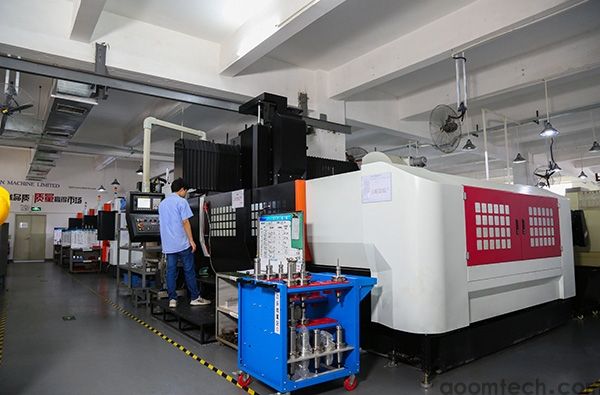
CNC Machine Rigidity
A rigid CNC machine is essential for stainless steel machining. Because stainless steel requires high cutting forces, any machine vibration can lead to poor surface finish, dimensional errors, and reduced tool life.
To assess machine rigidity, consider the following:
Frame construction: Heavy and solid machine structures reduce vibration.
Linear guide quality: High-quality guides improve stability and accuracy.
Spindle stiffness: A strong spindle reduces deflection during cutting.
A weak machine structure will struggle with stainless steel and lead to inconsistent results.
Cutting Tool Materials
Choosing the right tooling for CNC machining of stainless-steel parts is critical for efficiency and cost control.
Carbide tools are the most commonly used option. They offer good hardness and wear resistance. When combined with coatings such as titanium nitride (TiN) or titanium carbide (TiC), tool life improves significantly by reducing friction and heat.
Coated tools are ideal for general stainless steel machining. They provide a balance between cost and performance.
Diamond-coated tools can be used in special applications, but they are more expensive and not suitable for all stainless steel grades.
Each tool type has its own advantages. Carbide is the most practical choice for most CNC stainless steel operations.
Tool Geometry
Tool geometry plays an important role in machining efficiency. Stainless steel requires optimized cutting edges to reduce stress and heat.
Key geometry features include:
Larger rake angle: Reduces cutting force and improves chip flow.
Strong cutting edge: Prevents chipping under high load.
Proper helix angle: Helps remove chips efficiently and reduces heat buildup.
For example, end mills with a high helix angle improve chip evacuation when milling deep stainless steel pockets, reducing tool wear and heat accumulation.
Machining Parameters Optimization
Cutting Speed
Cutting speed is one of the most important machining parameters for stainless-steel CNC processing. In general, stainless steel requires lower cutting speeds compared to softer materials.
Typical ranges (depending on grade and tool):
Austenitic stainless steel (e.g., 304, 316): 40–120 m/min with carbide tools
Martensitic stainless steel: 30–90 m/min
Lower speeds reduce heat and tool wear, but too slow can reduce productivity. The correct balance depends on tool material and machine capability.
Feed Rate
Feed rate controls how fast the tool moves through the material. A proper feed rate helps maintain stable cutting conditions.
If the feed rate is too high, it increases cutting forces and may cause tool breakage. If it is too low, the tool may rub against the surface instead of cutting, generating unnecessary heat.
A balanced feed rate ensures smooth cutting and better surface quality. For stainless steel, moderate feed rates are usually preferred to avoid excessive friction.
Depth of Cut
Depth of cut determines how much material is removed in one pass. For stainless steel, smaller depths of cut are usually recommended.
Using a smaller depth of cut helps reduce cutting force and heat generation. However, multiple passes may be required, which increases machining time.
For example, instead of removing 3 mm in one pass, it may be better to use 1 mm per pass for better stability and surface finish.
Cooling and Lubrication
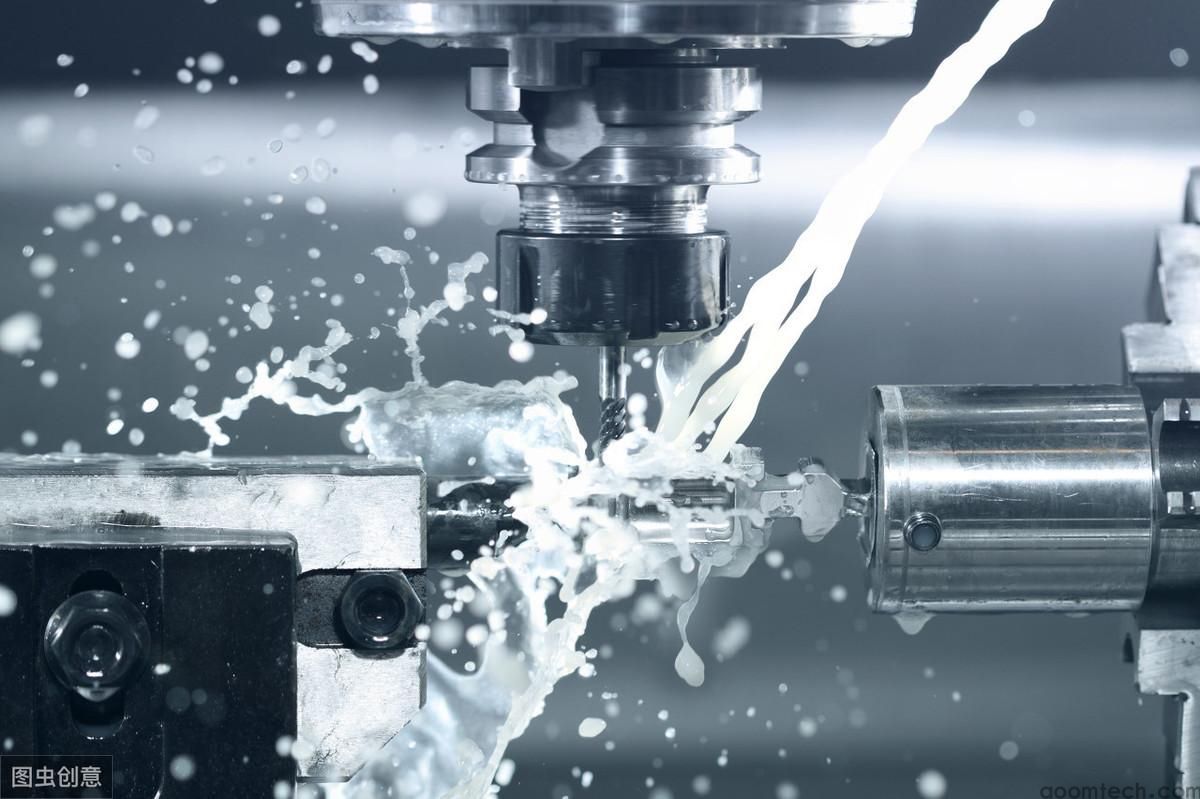
Coolant Types
Proper cooling is essential when working with stainless steel due to high heat generation.
Water-based coolants: Excellent heat removal. Ideal for high-speed machining.
Oil-based coolants: Better lubrication and reduced friction, useful for heavy cutting.
Synthetic coolants: Balanced performance between cooling and lubrication.
Choosing the right coolant depends on machining conditions and material grade.
Coolant Application
Effective coolant application is just as important as coolant type. The coolant must reach the cutting zone directly.
Best practices include:
Using multiple nozzles for complex geometries
Adjusting flow rate based on cutting intensity
Ensuring continuous coolant delivery during deep cutting
Proper coolant use reduces tool wear and improves surface finish significantly.
Quality Control and Inspection
In-process Inspection
In-process inspection is essential for maintaining quality during stainless steel machining. It helps detect problems early before they become costly defects.
Common tools used include calipers, micrometers, and surface roughness testers. Operators should regularly check dimensions and tool condition during machining.
For example, detecting tool wear early can prevent poor surface finish on multiple parts, saving time and material waste.
Final Inspection
Final inspection ensures that all finished parts meet design requirements. This includes dimensional accuracy, surface quality, and internal integrity.
Advanced inspection methods such as ultrasonic testing or magnetic particle inspection may be used to detect hidden defects inside the material.
A strong quality control system ensures that stainless steel parts meet strict industrial standards and perform reliably in real applications.

Conclusion
Understanding the Key Considerations for CNC Machining of Stainless Steel Parts is essential for achieving consistent quality and efficiency. Stainless steel is strong and durable, but it requires careful control of tools, machines, cutting parameters, and cooling strategies.
By optimizing stainless-steel properties in CNC machining, selecting the right tooling for CNC machining of stainless-steel parts, and adjusting machining parameters for stainless-steel CNC processing, manufacturers can significantly improve performance, reduce costs, and extend tool life.
With the right approach, stainless steel machining becomes more predictable, stable, and efficient for a wide range of industrial applications.
 How to Ensure Precision in CNC
 Small Batch Precision CNC Mach
 What surface finish can CNC ma
 CNC Machining Tolerance Settin