


How to Choose a Reliable CNC Machining Manufacturer for Flanges
How to Choose a Reliable CNC Machining Manufacturer for Flanges
Flanges are critical components used to connect pipes, valves, pumps, and other equipment in industrial systems. Choosing the right manufacturing partner is essential because even small errors can lead to leakage, system failure, or safety risks. This guide explains How to Choose a Reliable CNC Machining Manufacturer for Flanges in a simple, practical way for global buyers and engineers.
Understand Flange Requirements
Flange Types and Standards
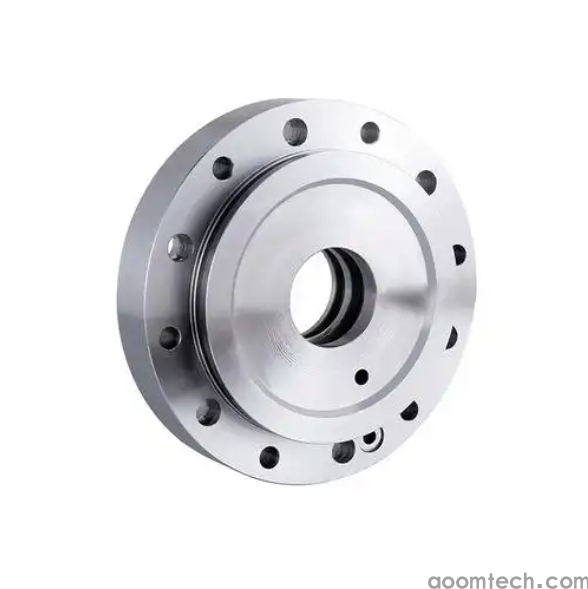
Flanges come in different types such as weld-neck, slip-on, and blind flanges. Each type has specific design purposes:
Weld-neck flanges: Used in high-pressure systems for strong connections
Slip-on flanges: Easier to install and commonly used in low-pressure systems
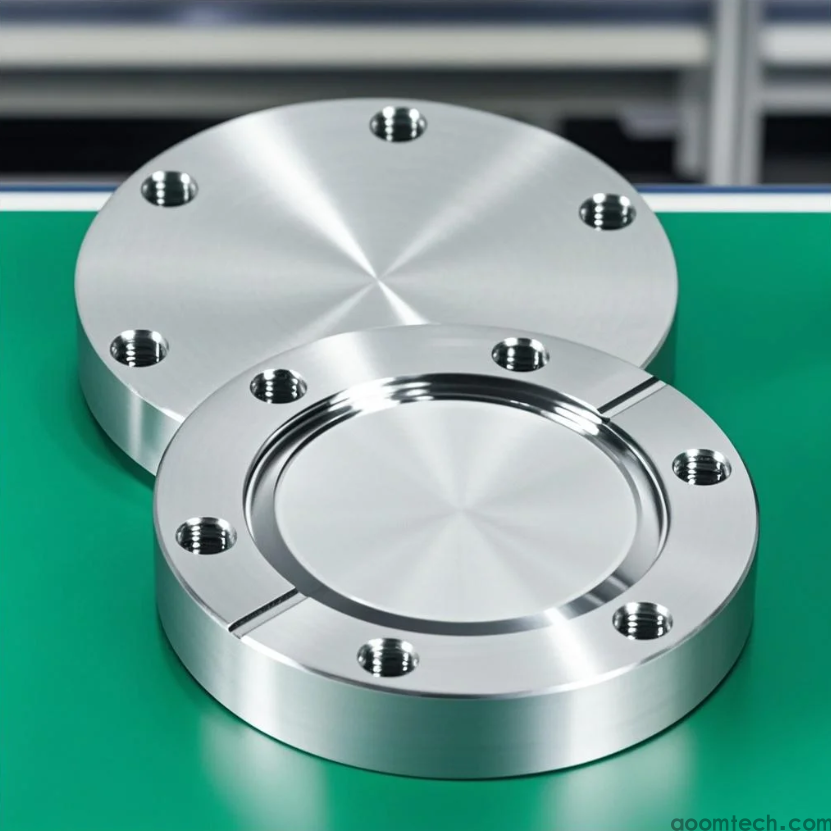
Blind flanges: Used to close pipe ends or pressure vessels
Manufacturers must also follow international standards such as:
ANSI - :contentReference[oaicite:0]{index=0}
DIN - :contentReference[oaicite:1]{index=1}
ISO - :contentReference[oaicite:2]{index=2}
Non-compliance with these standards can lead to mismatched bolt patterns, poor sealing, or even system failure during installation.
Precision and Tolerance
Flanges require high precision because they must seal tightly under pressure. Key critical dimensions include bolt-hole spacing, face flatness, and inner bore diameter.
Typical tolerance expectations include:
Bolt hole position: within ±0.1 mm or tighter for high-pressure applications
Face flatness: controlled within microns to prevent leakage
Bore diameter: precise fit for piping alignment
A small machining error can cause bolt misalignment or sealing failure, which is why precision is a key evaluation factor.
Evaluate Machining Capabilities
Machine Types and Axes
A reliable supplier must have suitable CNC equipment for flange production. Different machines perform different functions:
CNC lathes: Used for turning outer diameter, inner bore, and thickness control
CNC milling machines: Used for bolt-hole drilling and face machining
Multi-axis CNC machines: Improve accuracy and handle complex flange geometries
Strong machining capabilities for flange CNC manufacturers ensure consistent quality, better efficiency, and reduced production errors.
Tooling for Flange Machining
High-quality tooling is essential for precision flange production. Cutting tools must maintain sharpness and stability during machining.
End mills for bolt-hole accuracy
Facing tools for surface flatness
Drills designed for precise hole diameter control
Proper tool management—such as scheduled replacement and sharpening—ensures stable surface quality and dimensional accuracy.
Quality Assurance
In-process Quality Control
A trustworthy manufacturer applies strict quality assurance in flange CNC machining during production. This includes continuous inspections using:
Calipers and micrometers for quick checks
Coordinate Measuring Machines (CMM) for high-precision inspection
In-process control helps detect issues early, such as incorrect hole spacing or surface irregularities, reducing scrap and rework costs.
Final Inspection and Testing
Before delivery, flanges must undergo final inspection and functional testing. This often includes:
Dimensional verification of all critical features
Surface finish inspection
Pressure testing to ensure leak-free performance
Manufacturers should also provide detailed inspection reports to ensure traceability and compliance with project requirements.
Experience and Expertise
Industry Experience
Manufacturers with experience in oil and gas, power generation, and plumbing industries are more reliable. These industries demand strict standards for safety and performance.
Ask for case studies or project references to confirm real-world experience with similar flange applications.
Flange-specific Knowledge
Experienced suppliers understand machining challenges such as material stress, heat treatment effects, and deformation risks. This knowledge helps optimize production processes and improve flange performance.
Cost-effectiveness and Delivery
Price Competitiveness
When evaluating suppliers, always compare multiple quotations. However, the lowest price does not always mean the best value.
Consider total cost factors such as:
Material cost
Machining cost
Quality inspection and finishing services
Balancing cost and quality is essential when selecting a manufacturer.
Delivery Time and Reliability
Timely delivery is critical for industrial projects. A reliable supplier should provide realistic lead times and maintain production consistency.
Check whether the manufacturer can handle urgent orders and confirm their production capacity before placing large orders.

Customer Service and Communication
Responsiveness
Strong customer service of flange CNC manufacturers is an important indicator of reliability. Good manufacturers respond quickly to technical questions, quotation requests, and order updates.
Early communication behavior often reflects how they will handle the entire project.
Collaboration and Flexibility
A professional CNC manufacturer should be willing to collaborate on design optimization and production improvements. Flexibility is also important when dealing with:
Order quantity changes
Design adjustments
Delivery schedule modifications
Manufacturers that support engineering collaboration help reduce cost and improve manufacturability.
Conclusion
Choosing the right partner for flange production is not only about price—it is about precision, reliability, and engineering capability. By carefully evaluating standards compliance, machining capability, quality control systems, industry experience, and communication quality, you can confidently select a trustworthy supplier.
Understanding How to Choose a Reliable CNC Machining Manufacturer for Flanges helps ensure safe, durable, and high-performance flange components for critical industrial applications.
 How to Ensure Precision in CNC
 Small Batch Precision CNC Mach
 What surface finish can CNC ma
 CNC Machining Tolerance Settin