


Custom CNC Machining Guide for Precision Aluminum Parts
Custom CNC Machining Guide for Precision Aluminum Parts
The Custom CNC Machining Guide for Precision Aluminum Parts explains how high-accuracy aluminum components are designed, manufactured, and inspected using CNC (Computer Numerical Control) technology. This guide is written in simple English to help engineers, designers, and buyers around the world understand the full process clearly and apply it in real projects.
Understanding Precision Aluminum Parts
Properties of Aluminum for Precision Machining
Aluminum is one of the most widely used materials in CNC machining because it combines light weight with good strength. Its low density makes parts lighter, which is important in aerospace and automotive applications. It also has high thermal conductivity, meaning heat spreads quickly during machining.
However, this heat transfer can affect tool life and dimensional accuracy if not controlled properly. Machinists must carefully manage cutting conditions to avoid thermal deformation. Aluminum is also relatively soft and malleable, which makes it easy to cut but increases the risk of surface scratches, burrs, or tool marks if cutting parameters are not optimized.
Applications of Precision Aluminum Parts
Precision aluminum components are used in many industries:
Aerospace: Aircraft structural parts benefit from aluminum’s high strength-to-weight ratio, reducing overall fuel consumption.
Automotive: Engine housings, brackets, and lightweight structural parts improve performance and efficiency.
Electronics: Aluminum heat sinks are widely used due to excellent heat dissipation properties.
In all these applications, even small dimensional errors can lead to assembly failure or performance issues, making precision extremely important.
Design Considerations for Precision Aluminum Parts
Geometric Complexity
When applying design considerations for custom precision aluminum parts CNC machining, geometry plays a major role. Simple shapes are easier and cheaper to machine, while complex structures require advanced CNC systems such as 4-axis or 5-axis machines.
Features like internal cavities, undercuts, and deep channels increase machining difficulty. Designers are encouraged to use fillets instead of sharp corners, as this improves tool access, reduces stress concentration, and allows smoother tool paths.
Tolerance and Surface Finish Requirements
Tolerances define how accurate a part must be. For precision aluminum machining, tolerances such as ±0.05mm or tighter are common in high-performance applications.
Surface finish is equally important. For example, Ra 0.8–1.6μm is often required for functional or visible surfaces. Tight tolerances and smooth finishes increase machining time, tool wear, and cost, but are necessary for high-quality performance and reliable assembly.
CNC Machine and Tooling Selection
CNC Machine Types
Choosing the right CNC machine is essential in aluminum machining:
3-axis machines: Suitable for simple parts with flat or basic geometries.
4-axis machines: Ideal for parts requiring rotation for additional machining surfaces.
5-axis machines: Best for complex geometries and high-precision parts with multiple angles.
High-speed machining centers are often preferred for aluminum due to fast cutting capability and reduced cycle time.
Cutting Tools for Aluminum
Proper tooling for custom precision aluminum CNC machining is critical for surface quality and efficiency. Carbide tools with a positive rake angle are commonly used to reduce cutting resistance and prevent built-up edge formation.
Common tools include:
End mills: Used for profiling, slotting, and contour machining
Drills: Used for precise hole-making operations
Face mills: Used for flattening large surfaces
Coatings such as titanium nitride (TiN) help extend tool life and improve cutting stability during high-speed operations.
Machining Parameters Optimization
Cutting Speed
Aluminum allows higher cutting speeds compared to harder metals. For example, a 10mm carbide end mill machining a 5mm aluminum plate may typically operate in the range of 200–800 m/min depending on machine rigidity and cooling conditions.
Too high a speed can generate excessive heat, while too low a speed may cause poor chip formation and surface defects.
Feed Rate
Feed rate controls how fast the tool moves through the material. A balanced feed rate ensures smooth cutting and stable chip evacuation.
If the feed is too high, vibration and rough surfaces may occur. If too low, tool rubbing can generate heat and reduce tool life.
Depth of Cut
Depth of cut determines how much material is removed in one pass. In precision machining, smaller depths are often used to maintain accuracy and surface quality.
Although deeper cuts improve material removal rate, they increase tool load and may reduce dimensional stability in fine-detail components.
Cooling and Lubrication
Coolant Types
Effective cooling is essential in aluminum machining:
Water-based coolants: Excellent heat removal, commonly used in high-speed operations.
Oil-based coolants: Provide strong lubrication, reducing friction and improving surface finish.
Synthetic coolants: Balanced performance with both cooling and lubrication benefits.
Coolant Application
Proper coolant delivery ensures temperature control and chip removal. High-pressure or multi-nozzle systems are often used for complex geometries to reach deep cutting zones effectively.
Adjusting coolant flow according to cutting conditions helps improve tool life and surface quality significantly.
Quality Control and Inspection
In-Process Quality Control
Quality control in custom precision aluminum part CNC processing starts during machining. Operators regularly measure key dimensions using calipers, micrometers, and surface roughness testers.
Monitoring tool wear is also important. Early detection of wear or deviation helps prevent defective batches and reduces production waste.
Final Inspection
After machining, a full inspection is performed to ensure compliance with design requirements. This includes:
Dimensional accuracy checks
Surface finish verification
Visual inspection for defects
Advanced methods such as ultrasonic testing can also be used to detect internal defects in critical parts.
Conclusion
The success of precision aluminum manufacturing depends on the right combination of material understanding, smart design, proper machine selection, optimized cutting parameters, and strict quality control. By following this Custom CNC Machining Guide for Precision Aluminum Parts, manufacturers and engineers can achieve consistent accuracy, improved efficiency, and high-performance results across different industries.
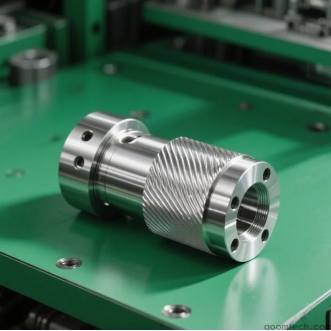 How to Ensure Precision in CNC
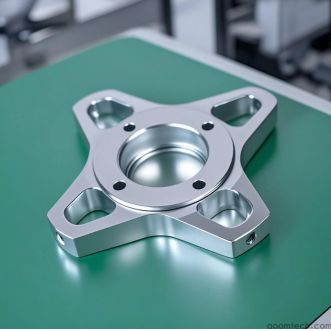 Small Batch Precision CNC Mach
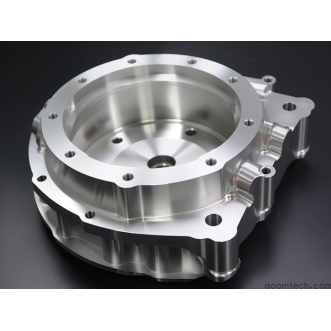 What surface finish can CNC ma
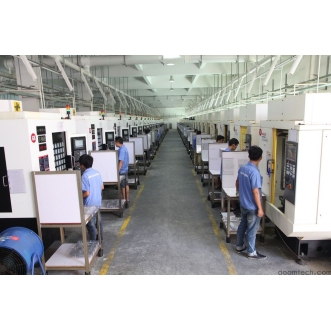 CNC Machining Tolerance Settin