


CNC Machining for Robotics: Precision Components for Industrial Automation Systems
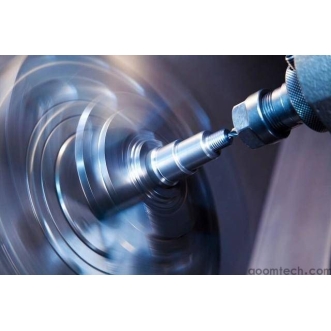
In industrial automation, robotic machines are built from many precisely made parts. Each part must fit exactly as designed, because even a tiny error can cause misalignment or failure. CNC machining is a process that uses computer-controlled tools to cut parts from metal or plastic. It is widely used to create the high-precision components needed in robotics and automation. CNC machines can hold very tight tolerances (often a few micrometers) on the part dimensions, ensuring every piece meets the exact design requirements.
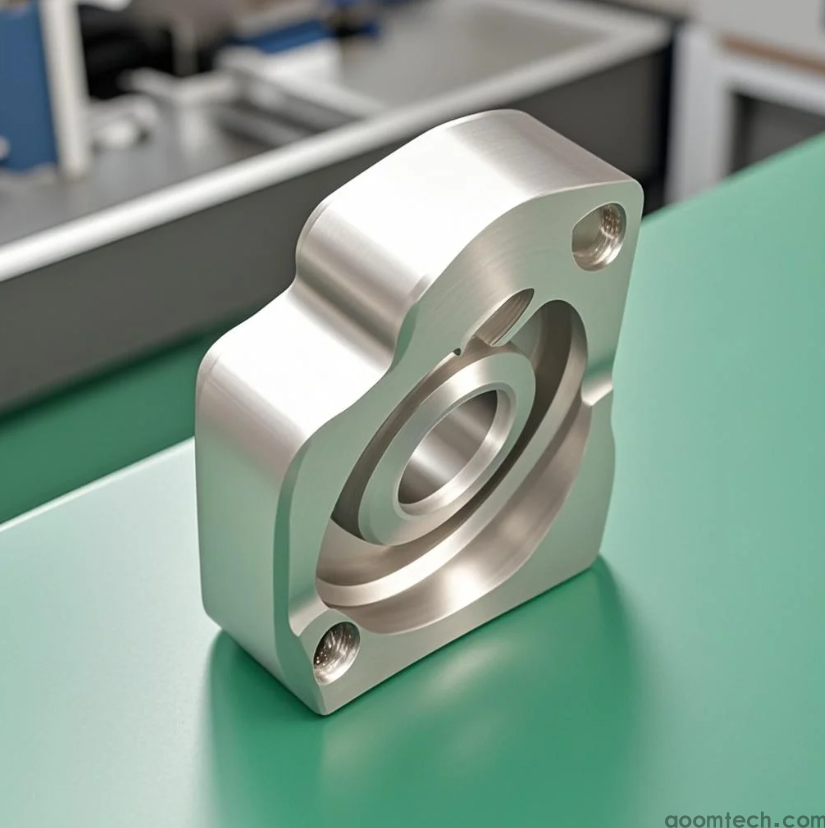
*Precision-machined aluminum rings like these are often used as flanges or brackets in robotic systems.* The holes are drilled precisely to fit bearings or fasteners, and every dimension is carefully controlled. CNC machining ensures each ring meets the exact size and spacing needed so parts work together smoothly. Using aluminum gives these rings strength while keeping them light, which helps robots move quickly without extra power.
Precision Requirements for CNC-Machined Robotic Components in Automation
Robotic components must meet extremely tight precision standards. For example, even a tiny mis-match in a robot gear or joint can throw the whole system out of alignment. Engineers measure these requirements in very small units (often millimeters or micrometers). In practice:
Simple structures: Mounting brackets and frames often have tolerances around ±0.1 mm. This is precise enough for parts that simply hold or support other components.
Motion-critical parts: Shafts, bearings, and joint seats usually need much tighter tolerances (around ±0.01 mm) to avoid play or wobble.
High-precision features: Some robotics parts demand tolerances as small as ±0.005 mm (five micrometers) for perfect fit.
Surface finish: Moving parts often need very smooth surfaces (for example, a roughness around 0.4 μm or better) to reduce friction and wear.
Shape accuracy: Features like round shafts or flat mounting surfaces must have excellent roundness and flatness so parts assemble without gaps.
These precision requirements mean CNC machines must be carefully set up, and parts are often inspected with precise tools (such as a coordinate measuring machine) to confirm they meet the specs. Because of this, CNC machining is chosen over less precise methods when making critical robot components.
Material Selection for CNC-Made Parts in Industrial Robotics
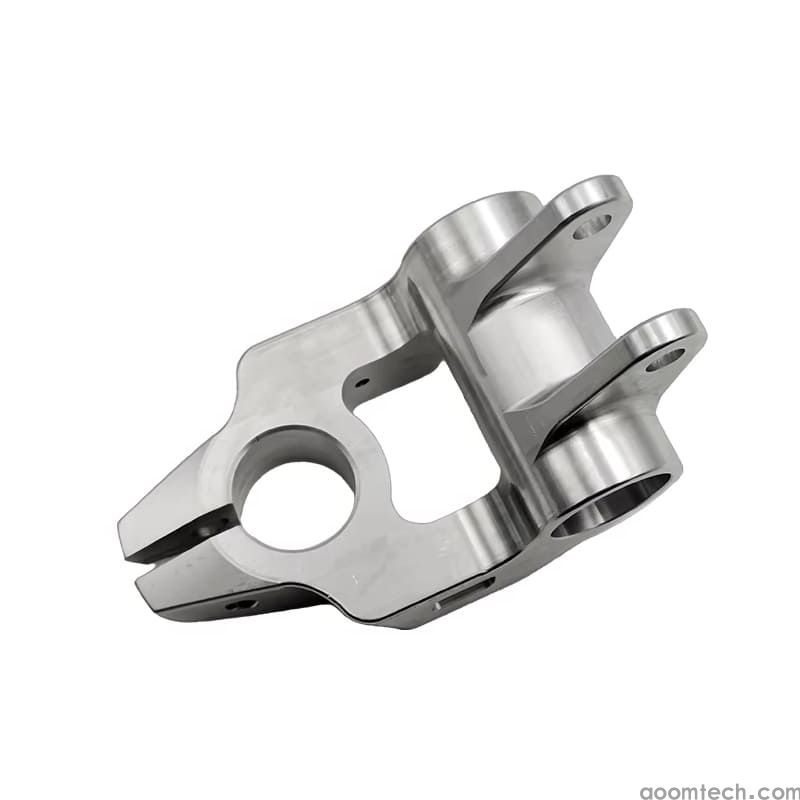
The choice of material is crucial for durability and functionality. Common materials for robotic parts include strong metals and engineering plastics. Each material has strengths: steel gives durability, aluminum gives light weight, plastics reduce friction, etc. Typical choices are:
Alloy steels (e.g. 42CrMo4, 34CrNiMo6): Very strong and hard. Used for gears, shafts, and parts under high stress. These steels can be heat-treated to increase strength.
Aluminum alloys (e.g. 6061, 7075): Lightweight yet strong. Often used for robot arm frames, housings, and other structures where saving weight is important.
Stainless steels (e.g. 304, 316, 17-4PH): Corrosion-resistant and durable. Chosen for parts that must resist chemicals or operate in clean/food environments.
Engineering plastics (PEEK, PTFE, Delrin, etc.): Low friction and wear-resistant. Used for components like bushings, sliding parts, or light brackets where metal might bind or add too much weight.
Brass and copper: Good for conductive or wear parts (e.g. electrical connectors, sensor components). These metals are easy to machine and have natural lubricity.
Titanium: Very strong and light. Used in high-end or aerospace-grade robots where top strength-to-weight is needed, though it is harder to machine.
After machining, parts often receive surface treatments for extra durability. For example, steel parts may be heat-treated or nitrided to harden the surface, and aluminum parts may be anodized for corrosion protection. These coatings and processes improve wear resistance and extend the life of the part. Choosing the right material and finish ensures each component lasts through the robot’s operating conditions.
Optimizing CNC Machining for Robotic Precision Components in Automation Systems
To achieve the required precision efficiently, it helps to plan carefully from design through production. This means collaborating early with CNC experts and following best practices for machinability. For example, adding fillets to corners or simplifying deep cuts can make a part easier to machine. Key optimization tips include:
Design for Machinability: Engage your machine shop during design. Define which dimensions must be very tight and avoid making every feature extra small or precise. Overly tight tolerances or hard-to-reach features can double costs and cause delays.
Advanced CNC Equipment: Use 5-axis machines for complex parts. Multi-axis CNC mills can cut angled surfaces in one setup, which maintains precision and reduces errors.
Tolerance Planning: Apply strict tolerances only on critical features. As one guide says, decide which dimensions need tight control and don’t over-tolerate the rest. This approach balances precision with cost.
Quality Control: Inspect the first articles using precise measuring tools. For example, a full CMM (coordinate measuring machine) report on the initial parts ensures all dimensions meet specifications. Making corrections early avoids scrap and rework later.
Tooling and Process: Choose the right cutting tools and speeds for each material. Using high-quality tools and coatings (like carbide endmills or diamond coatings) keeps parts accurate and tools long-lasting. Also consider finishing processes (polishing, deburring, etc.) to achieve the smooth surface needed for robotics.
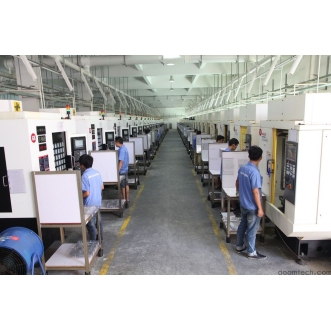
By following these practices, manufacturers can optimize the CNC process. Modern shops often use software (CAM simulation) and automation (multi-pallet fixtures or robots that load parts) to run jobs faster and consistently. The goal is to produce each part with the required precision in as few steps as possible.
In summary, CNC machining for robotics: precision components for industrial automation systems requires careful attention to accuracy, materials, and process. Meeting the precision requirements of robotic parts means machining components to within micrometers and testing them closely. Selecting durable yet appropriate materials (like steel for strength or aluminum for lightness) ensures each part works reliably. Optimizing the CNC process through smart design, advanced machinery, and strict quality control leads to parts that fit perfectly and endure heavy use. Following these steps helps engineers and manufacturers deliver robotic systems that are precise, robust, and ready for the demands of modern automation.
 How to Ensure Precision in CNC
 Small Batch Precision CNC Mach
 What surface finish can CNC ma
 CNC Machining Tolerance Settin