
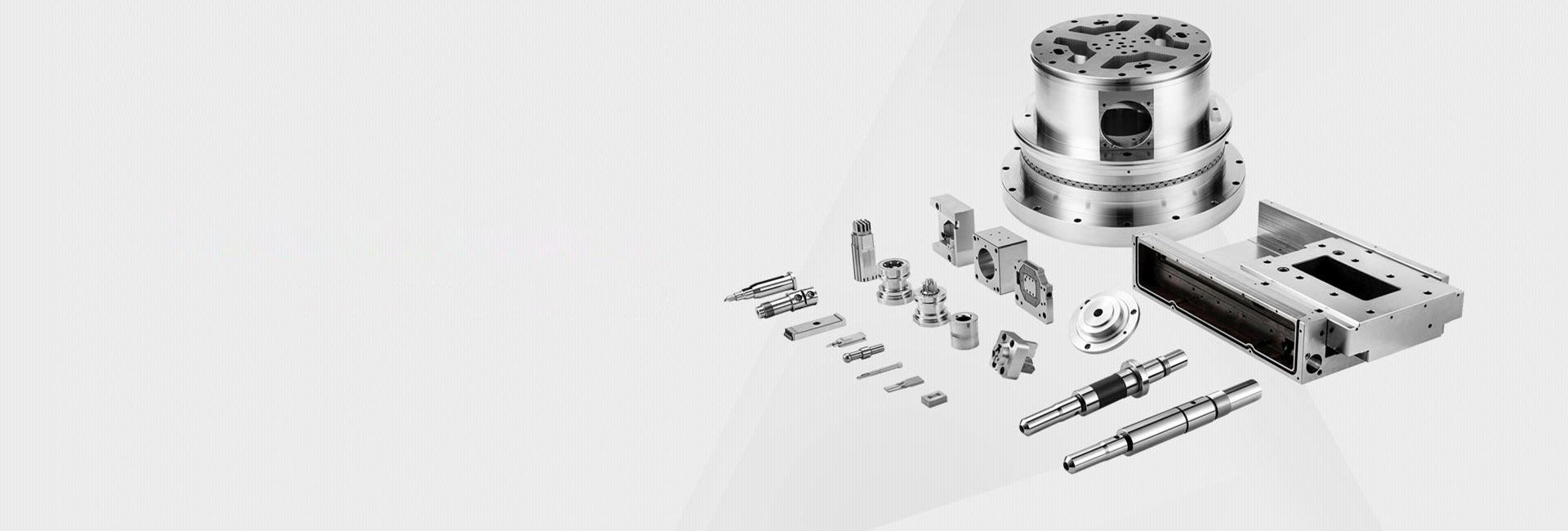
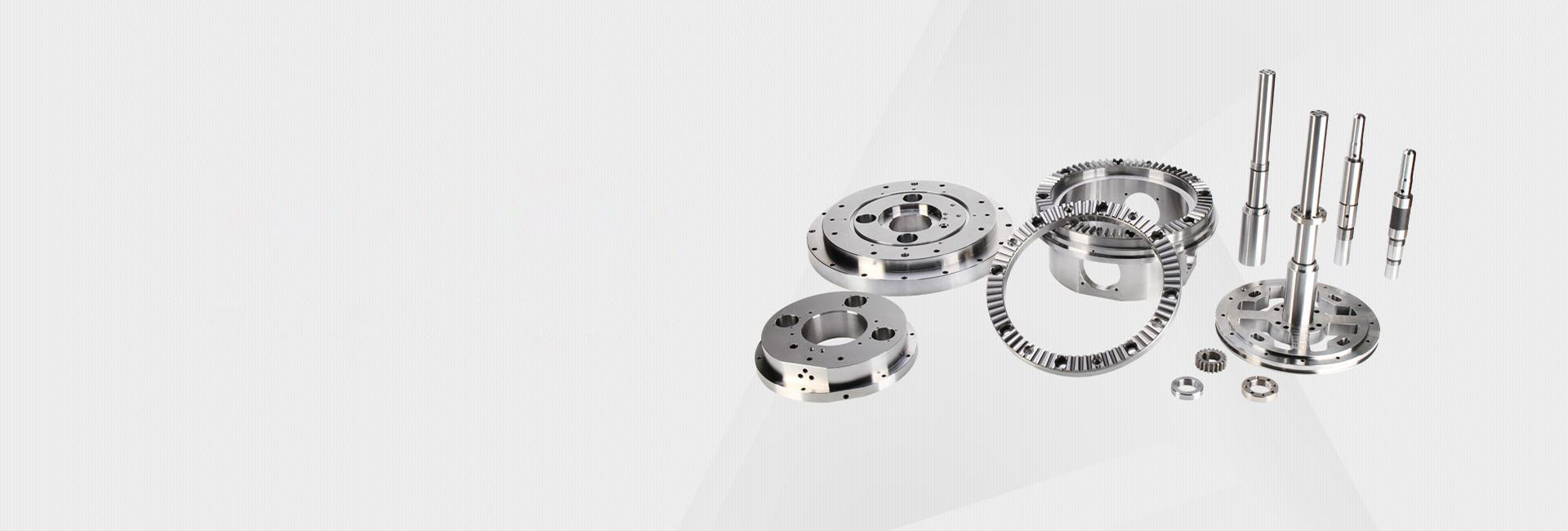
CNC Machining for Robotics: Precision Components for Industrial Automation Systems
CNC Machining for Robotics: Precision Components for Industrial Automation Systems
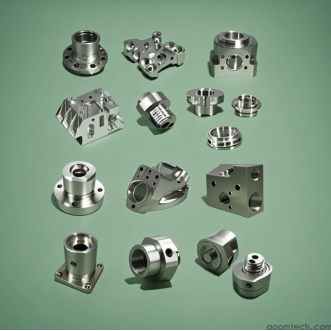
Modern industrial robots are used in factories, warehouses, medical systems, and electronics production. These machines must move with high accuracy and repeat the same motion thousands or even millions of times. To achieve this, they depend on very precise mechanical parts. One of the most important manufacturing methods for these parts is CNC Machining for Robotics: Precision Components for Industrial Automation Systems.
CNC (Computer Numerical Control) machining allows manufacturers to create highly accurate parts with tight tolerances and consistent quality. In robotics, even a very small error in a joint or gear can affect the entire system performance.
Why Precision Matters in Robotics
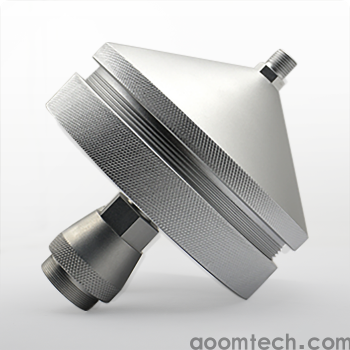
Robots in industrial automation must perform tasks such as welding, assembly, picking, and packaging. These tasks require smooth motion, accurate positioning, and long-term stability. Precision components help ensure that every movement is predictable and repeatable.
Accurate positioning: Robot arms must reach exact coordinates without deviation.
Smooth movement: Poorly machined parts can cause vibration or noise.
Long-term reliability: High precision reduces wear and mechanical failure.
Safety: Stable components reduce the risk of system malfunction.
Even a tolerance difference of 0.01 mm can impact robot calibration and performance. That is why CNC machining is widely used in robotics manufacturing.
Materials Used in Robotic CNC Components
Material selection plays a key role in performance, durability, and machining quality. Different robot parts require different material properties depending on their function.
High-strength alloys
Materials such as aluminum alloys, stainless steel, and titanium are commonly used for load-bearing parts like robot arms and joints. These materials offer high strength and durability, but they can also increase tool wear during machining.
Lightweight plastics
Engineering plastics such as PEEK, nylon, and ABS are used for non-critical components, covers, and insulation parts. They reduce weight and are easier to machine, but require careful control of heat during cutting.
Material selection for robotic CNC components depends on strength requirements, weight limits, cost, and environmental conditions such as heat or corrosion exposure.
CNC Machining Processes for Robotics Parts
Different robot components require different machining methods. CNC machines are chosen based on the shape, complexity, and accuracy needed.
Multi-axis milling for complex parts
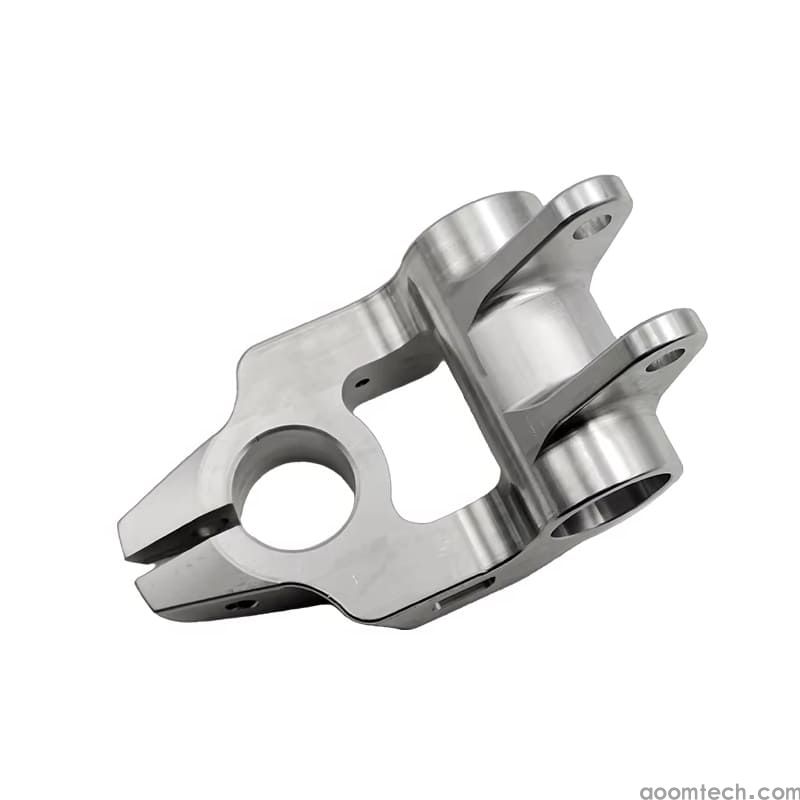
Robot joints and structural frames often have complex geometries. Multi-axis CNC milling machines (such as 4-axis or 5-axis systems) allow cutting from multiple angles without repositioning the part. This improves accuracy and reduces production time.
Turning for cylindrical components
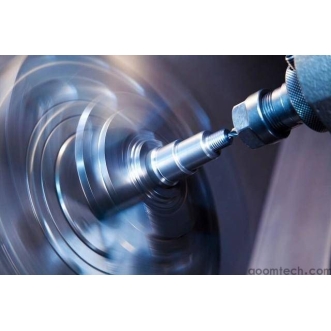
Shafts, pins, and rotational components are usually produced using CNC turning. This process ensures perfect roundness and smooth surface finish, which is essential for rotating robot parts.
Drilling and finishing operations
Precise holes are required for fasteners and assembly. After machining, finishing processes such as deburring and surface polishing improve fit and reduce friction.
Overall, machining processes for robot precision parts must be carefully planned to balance speed, accuracy, and cost.
Machine Setup and Precision Control
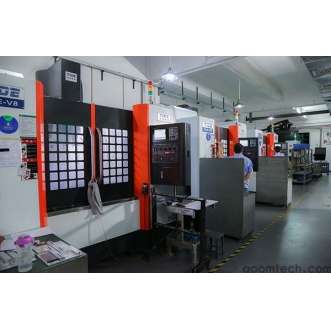
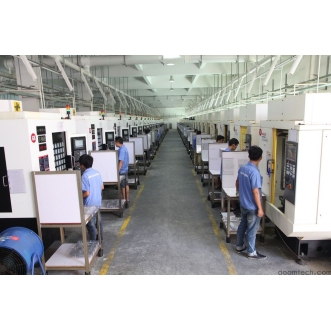
To achieve high accuracy in robotics components, CNC machines must be properly set up and maintained. Even small machine errors can lead to defective parts.
Calibration: Machines must be regularly calibrated to maintain accuracy.
Alignment: Workpieces and tools must be properly aligned before machining starts.
Vibration control: Stable machine foundations reduce cutting errors.
Temperature control: Thermal expansion can affect precision during long runs.
In high-end robotics manufacturing, precision CNC machines are often kept in controlled environments to maintain consistent results.
Tooling Considerations in CNC Robotics Manufacturing
Tools are one of the most important factors in machining quality. Poor tooling can lead to rough surfaces, dimensional errors, and fast tool wear.
Tooling in CNC machining for robotics requires careful selection based on the material being cut and the type of operation.
Carbide tools for hard materials
Carbide-tipped tools are commonly used for machining steel and titanium alloys. They provide high hardness and wear resistance, making them suitable for long production runs.
Sharp tools for plastics
For plastic components, sharp cutting edges are important to reduce heat buildup and prevent melting or deformation.
Tool coatings
Coatings such as TiN or TiAlN improve tool life and reduce friction, especially when machining tough materials.
Programming for High-Precision Robotics Parts
CNC programming controls how the machine moves and cuts the material. In robotics manufacturing, programming must be extremely accurate to ensure repeatable results.
Programming for robotic precision components includes several important techniques:
Backlash compensation: Corrects small mechanical gaps in machine movement.
Tool path optimization: Reduces unnecessary movement and improves surface finish.
Feed rate control: Adjusts cutting speed based on material and geometry.
Simulation testing: Prevents collisions and programming errors before machining.
Modern CAD/CAM software helps engineers design and verify tool paths before production begins, improving efficiency and reducing waste.
Post-Machining Treatments
After CNC machining, robotic components often require additional treatments to improve performance and durability.
Heat treatment
Heat treatment increases strength and hardness, especially for steel and alloy parts used in load-bearing robot structures.
Surface finishing
Processes such as anodizing, polishing, and coating improve corrosion resistance and reduce friction between moving parts.
Post-machining in CNC-made robotic parts is essential for ensuring long service life and stable performance in industrial environments.
Conclusion
Robotics in industrial automation depends heavily on precision engineering. CNC machining provides the accuracy, repeatability, and flexibility needed to produce high-quality robot components. From material selection to programming and finishing, every step plays a critical role in system performance.
As automation continues to grow in manufacturing, logistics, and healthcare, demand for reliable CNC-machined robotic parts will continue to increase. Companies that invest in precision machining technology will be better prepared for the future of smart industry.
 How to Ensure Precision in CNC
 Small Batch Precision CNC Mach
 What surface finish can CNC ma
 CNC Machining Tolerance Settin