


CNC Machining of Parts for Renewable Energy Industry
Reliable hardware matters more than ever in clean energy. According to IRENA, renewables reached 49% of global installed power capacity by the end of 2025 and made up 85.6% of annual power additions. The IEA also projects almost 4,600 GW of new renewable power capacity between 2025 and 2030. As this market grows, the demand for durable, accurate, and service-friendly components grows with it. That is why CNC machining of parts for renewable energy industry is becoming more important for wind, solar, hydropower, and energy storage projects.
CNC machining is often used for parts that must fit well, last a long time, and work outdoors in hard conditions. In renewable energy equipment, a part may face salt, rain, dust, UV exposure, vibration, cyclic loads, or fast-moving water. A good machining plan is not only about hitting a dimension. It is also about choosing the right material, protecting surfaces, controlling cost, and making replacement easier later. Wind turbine standards in the IEC 61400 family focus on long-term structural integrity and planned lifetime, while IEC 61701 addresses salt-mist corrosion risks for PV modules in aggressive environments.
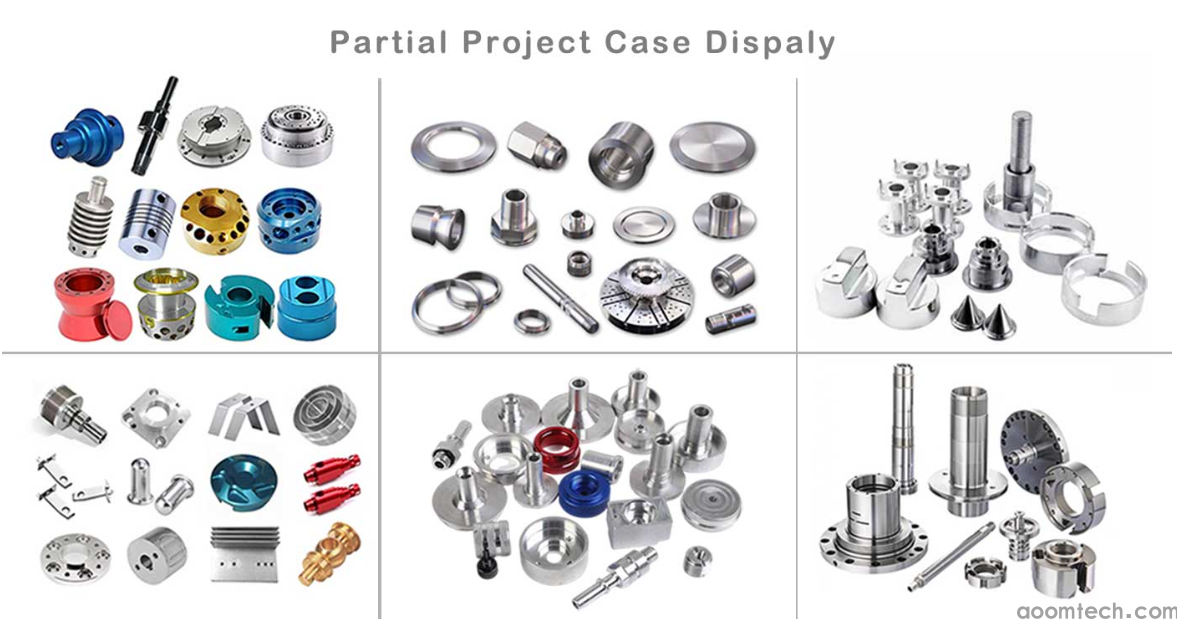
Why Renewable Energy Parts Need a Different CNC Strategy
The renewable energy sector uses many large and medium-size mechanical parts, but the part function changes from one system to another. In wind power, common components include gearbox parts, gears, generator shafts, tower flanges, rolling bearings, and structural fasteners. In solar systems, ground-mounted racking is usually made from coated or galvanized steel, and one-axis trackers add mechanical parts such as motors and bearings. In hydropower, crucial components include turbines, generators, governors, emergency closure systems, and penstocks, and many of these parts are custom-made.
-
Wind parts often need strong fatigue resistance, stable bearing fits, and good surface quality.
-
Solar parts need corrosion control, especially at joints, fasteners, and outdoor support structures.
-
Hydropower parts need wear and cavitation resistance, especially where water speed is high.
-
Many renewable installations are remote, so part failure can create very high repair cost and downtime.
These problems are real, not theoretical. NREL notes that drivetrain reliability improvements and operations-and-maintenance cost reductions remain top priorities for wind power, especially as turbines move into more remote and offshore locations. The U.S. Bureau of Reclamation reports that cavitation damage in hydropower can force expensive repairs, and one stainless-steel overlay repair can cost about $100,000 to $250,000 per unit, not including lost revenue from downtime. DOE guidance for solar PV also shows that corrosion at mixed-metal joints can weaken mechanical joints and hurt bonding performance.
What to Define Before You Start Machining
Many cost and quality problems start before the machine runs. The drawing and part specification need to describe the function clearly. ASME Y14.5 is the common language for geometric dimensioning and tolerancing, and ISO 2768 gives general tolerances for workpieces produced by metal removal when every single dimension does not need its own custom tolerance. ISO 9001 provides the wider quality framework for delivering consistent products and services. In simple terms, if the drawing is vague, the shop will guess. If the drawing is too strict everywhere, the cost will rise fast.
-
Mark the truly critical faces, bores, sealing lands, and bearing seats.
-
State the service environment clearly: inland, coastal, offshore, wet, dusty, or chemically aggressive.
-
Define coating, anodizing, passivation, or galvanizing needs before machining starts.
-
Call out datums and fit relationships for mating parts, not only basic size dimensions.
-
Tell the supplier which features need full inspection and which can follow general tolerances.
This step is especially important for offshore wind and corrosive solar sites. IEC 61400-1 sets essential design requirements to protect wind turbines from hazards over the planned lifetime, and IEC 61400-4 provides gearbox design guidance tied to turbine loads. For solar in marine or high-salt areas, DOE recommends a full site corrosion study, material-aware design choices, and module selection that includes IEC 61701 salt-mist performance. That means the CNC supplier should know more than just machining. They should understand the real operating environment.
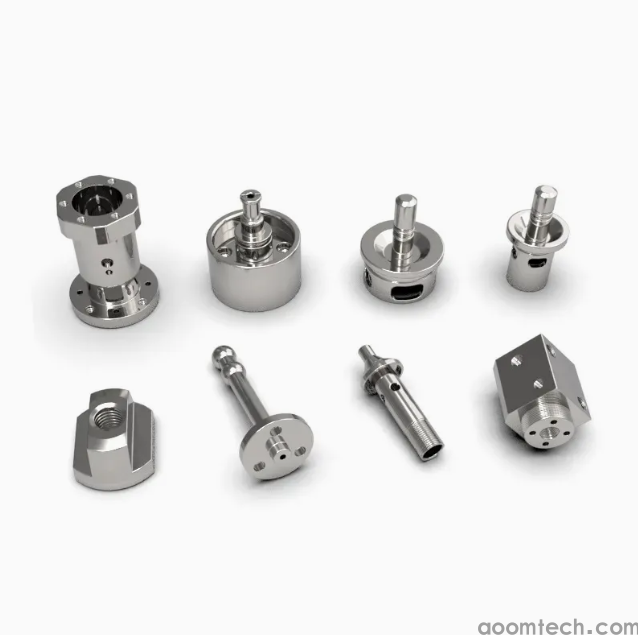
Material Choices for CNC - Machined Renewable Energy Parts
Good material choices for CNC - machined renewable energy parts start with service conditions, not with price alone. A low-cost material can become the most expensive option if it corrodes, wears, or deforms early. In renewable systems, the best choice often depends on four questions: How much load will the part carry, what kind of corrosion risk is present, what temperature will it see, and how easy will it be to machine and finish.
Aluminum and Coated Steel
Aluminum 6061 is a strong all-round option for brackets, housings, mounting features, and lighter structural parts. Hydro’s 6061 data sheet says it has excellent corrosion resistance to atmospheric conditions, good corrosion resistance to seawater, and responds well to anodizing. That makes it useful when low weight and corrosion resistance are both important. For many solar support structures, however, DOE notes that ground-mounted racking is commonly made from steel that is coated or galvanized to protect against corrosion.
The main caution is mixed-metal contact. DOE explains that solar PV systems often combine stainless steel fasteners, aluminum frames, and steel or aluminum supports, and that galvanic and crevice corrosion can weaken the joint and increase electrical resistance. So if you machine aluminum parts for solar or coastal energy systems, do not treat the base alloy as the whole answer. You also need the right fasteners, isolating details where needed, and a finishing plan that matches the full assembly.
Stainless Steels for Wet, Salty, and High-Wear Service
When chloride exposure is a real risk, 316 stainless steel is often chosen because it offers better resistance to pitting and crevice corrosion than lower grades in chloride environments. World Stainless also notes that this higher corrosion resistance can come with lower machinability acceptance, which is important for cost planning. In practice, this means 316 can be the right answer for coastal, marine-adjacent, and splash-zone hardware, but the quote should reflect slower machining, tool wear, and sometimes longer cycle time.
Hydropower may need something more specialized. The International Stainless Steel Forum states that high water impact speeds and high flow rates in Kaplan and Francis turbines require strong cavitation-erosion resistance, and it identifies stainless grades 1.4313 and 1.4418 as suitable materials for this work. The Bureau of Reclamation also shows why that matters: once cavitation damage starts, repair is time-consuming and expensive. For turbine runners, guide elements, and other water-wetted parts, corrosion and cavitation resistance often deserve more weight than raw machining speed.
Engineering Plastics for Insulation, Low Friction, and Chemical Resistance
Not every renewable energy part should be metal. Acetal, also called POM, is a practical CNC material for bushings, insulators, wear pads, spacers, and low-friction mechanical details because it is strong, stiff, wear-resistant, and has excellent dimensional stability. When the design needs higher chemical resistance, high temperature capability, or better steam and water resistance, PEEK becomes a strong candidate. Victrex states that PEEK is chemically resistant to aggressive environments, and its published material guidance notes resistance to steam, water, and sea water, plus a continuous use temperature of 260°C.
For buyers, this is useful in a simple way. If the part mainly carries load outdoors, aluminum or steel may be best. If the part mainly needs electrical isolation, low friction, or chemical resistance, an engineering plastic may machine better, weigh less, and remove corrosion concerns. The key is to match the material to the job, not to force every design into one familiar alloy.
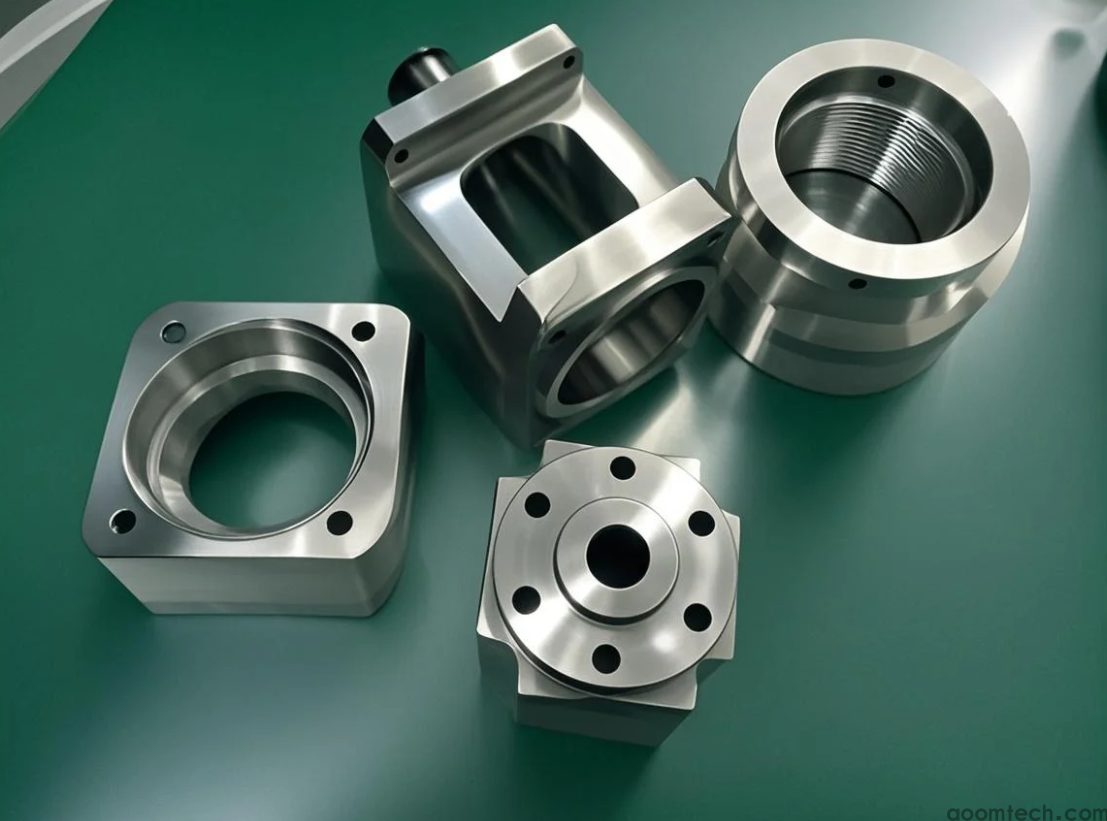
Precision Requirements in CNC Machining Parts for Renewable Energy
Precision requirements in CNC machining parts for renewable energy are not the same for every feature. A wind gearbox bearing seat, a hydro sealing face, and a solar bracket slot do not need the same finish or tolerance strategy. This is where many projects waste money. ASME Y14.5 is useful because it helps define the function of a feature clearly, while ISO 2768 helps avoid overloading the drawing with tight limits where general tolerances are enough. A practical reading of these standards is simple: use precision where function needs it, and do not buy extra precision where it adds no value.
Surface condition also matters. SKF reports that many cracking failure modes in wind gearbox bearings most likely start at or near the surface and then grow under a corrosion-fatigue process. The same paper points to lubrication and other surface-related issues as a major cause of early bearing failures. In hydropower, the National Hydropower Association project brief explains that when turbine blade surfaces develop pits, those pits become sites that increase cavitation intensity and wear over time. So for rotating or water-exposed parts, good machining is not only about size accuracy. Surface quality, edge condition, and post-machining protection directly affect service life.
-
Use tighter controls on bearing fits, sealing faces, and locating features.
-
Use general tolerances on non-critical exterior features when function allows it.
-
Specify burr control and edge break rules on parts that move, seal, or see high water flow.
-
Protect critical machined surfaces during coating, transport, and assembly.
-
For corrosion-prone assemblies, inspect the joint design, not only the individual part.
For consistent quality, ask the supplier to connect machining, finishing, and inspection into one controlled process. ISO 9001 is useful here because it is built to help organizations deliver consistent products, improve efficiency, and meet customer expectations. In renewable energy work, that consistency is often more valuable than chasing the lowest unit price. A cheap part that varies from lot to lot can create fit problems, water leaks, field rework, or early fatigue failure.
Cost - Effective CNC Machining for Renewable Energy Components
Cost - effective CNC machining for renewable energy components starts with one core idea: remove cost that does not add function. DOE’s near-net-shape manufacturing report says these components can offer fewer processing steps, increased throughput, reduced parts count, less joining, and in some cases reduced cost. The same report also notes that some large clean-energy parts can sometimes remove major post-process work by redefining what the part actually needs. In plain language, if you can start closer to the final shape and stop over-specifying the finish, you can cut cost without cutting performance.
This is especially important for large renewable parts. DOE notes limited domestic capacity for some very large wind castings and forgings, including items such as rotor hubs, generator shafts, tower flanges, and bearing rings. ORNL also reports that many hydropower components are custom made and that replacements can take from months to years. These realities mean buyers should not wait until a breakdown to think about machining strategy. For critical parts, it is smart to qualify backups, keep clean CAD data, and decide early whether the blank should be bar stock, plate, casting, forging, or a near-net-shape preform.
-
Do not put tight tolerances on every dimension. Reserve them for features that control fit, motion, sealing, or alignment.
-
Choose the lowest-cost material that still survives the real environment, including corrosion and wear.
-
Use near-net-shape blanks for larger parts when stock removal would be excessive.
-
Freeze coatings, heat treatment, and inspection needs at the quoting stage, not after release.
-
For legacy equipment, keep updated drawings and models so replacement parts are faster to source.
A second cost trap is repair work caused by the wrong surface or material choice. In solar systems, DOE shows that galvanic and crevice corrosion can attack mixed-metal joints. In hydropower, cavitation damage can force repeated repair cycles. In wind turbines, drivetrain failures create costly crane-based maintenance. So the lowest quote is only good value if the part survives in the field. A shop that understands cost - effective CNC machining for renewable energy components should be able to explain how its material choice, toolpath, finish, and inspection plan reduce total life-cycle cost, not only machining hours.
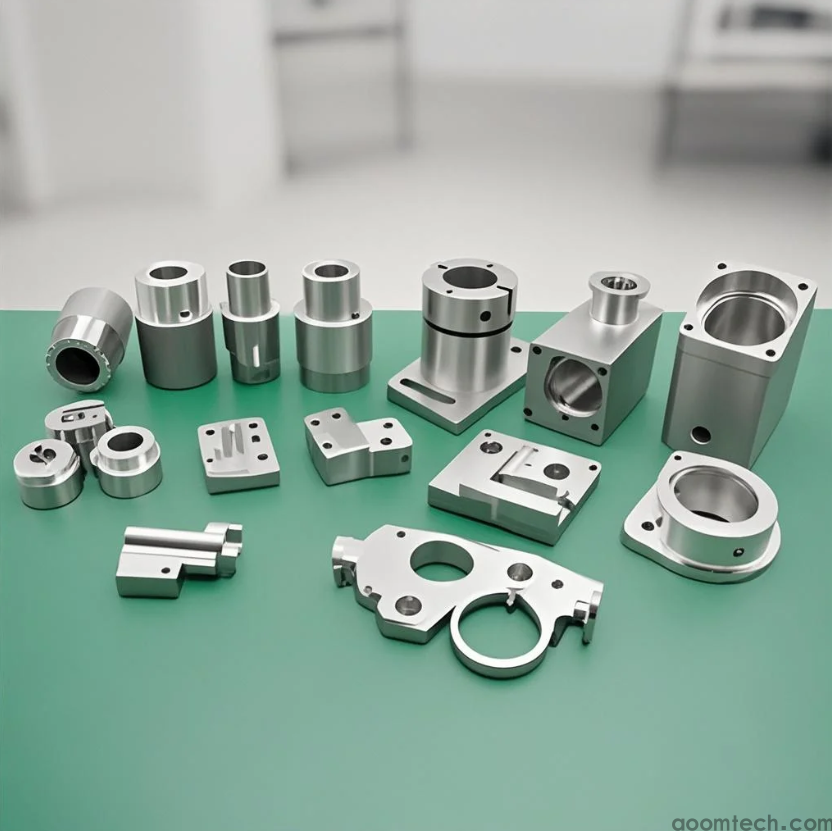
How to Choose the Right CNC Supplier for Renewable Energy Parts
A strong supplier for CNC machining of parts for renewable energy industry should understand both machining and the energy application. For wind work, they should be comfortable with IEC 61400 design logic and with parts such as shafts, flanges, bearing-related features, and gearbox elements. For solar work, they should understand outdoor corrosion, mixed-metal assemblies, and long-life mounting hardware. For hydropower work, they should know that custom parts, cavitation, and long replacement lead times can make quality and documentation just as important as price.
-
Ask whether they work under an ISO 9001 quality system.
-
Ask which renewable applications they know well: wind, solar, hydro, storage, or a mix.
-
Ask how they manage corrosion protection, passivation, anodizing, galvanizing, or coating vendors.
-
Ask how they inspect critical features and how they report results.
-
Ask whether they can source or machine difficult materials like 316 stainless, turbine stainless grades, acetal, or PEEK.
-
Ask how they plan for spare parts, drawing control, and future repeat orders.
The best supplier is often not the one with the cheapest hourly rate. It is the one that understands function, asks the right questions, and helps you avoid preventable failures. ISO 9001 supports process consistency, ASME Y14.5 supports clear communication on drawings, and ISO 2768 helps keep tolerances practical. When a supplier uses these tools well, the result is usually faster reviews, fewer quote revisions, less rework, and more stable field performance.
The Practical Bottom Line
If you want better results from CNC machining of parts for renewable energy industry, focus on three things first: the real service environment, the real functional tolerances, and the real cost of failure. Use aluminum, stainless steel, coated steel, acetal, or PEEK only after checking load, corrosion, wear, temperature, and maintenance access. Keep precision tight where the part truly needs it, and use general tolerances where it does not. Most important, choose a supplier that sees the whole system, not only the drawing. That is the most dependable path to strong material choices for CNC - machined renewable energy parts, workable precision requirements in CNC machining parts for renewable energy, and truly cost - effective CNC machining for renewable energy components.
 How to Ensure Precision in CNC
 Small Batch Precision CNC Mach
 What surface finish can CNC ma
 CNC Machining Tolerance Settin