


How to Prevent Deformation During CNC Machining of Copper Parts
How to Prevent Deformation During CNC Machining of Copper Parts
Preventing distortion in soft metals is one of the most important challenges in precision manufacturing. This article explains How to Prevent Deformation During CNC Machining of Copper Parts using practical engineering methods based on real machining experience. Copper is widely used in electronics, heat exchangers, and precision components, but its physical properties make it highly sensitive to heat, force, and improper setup.
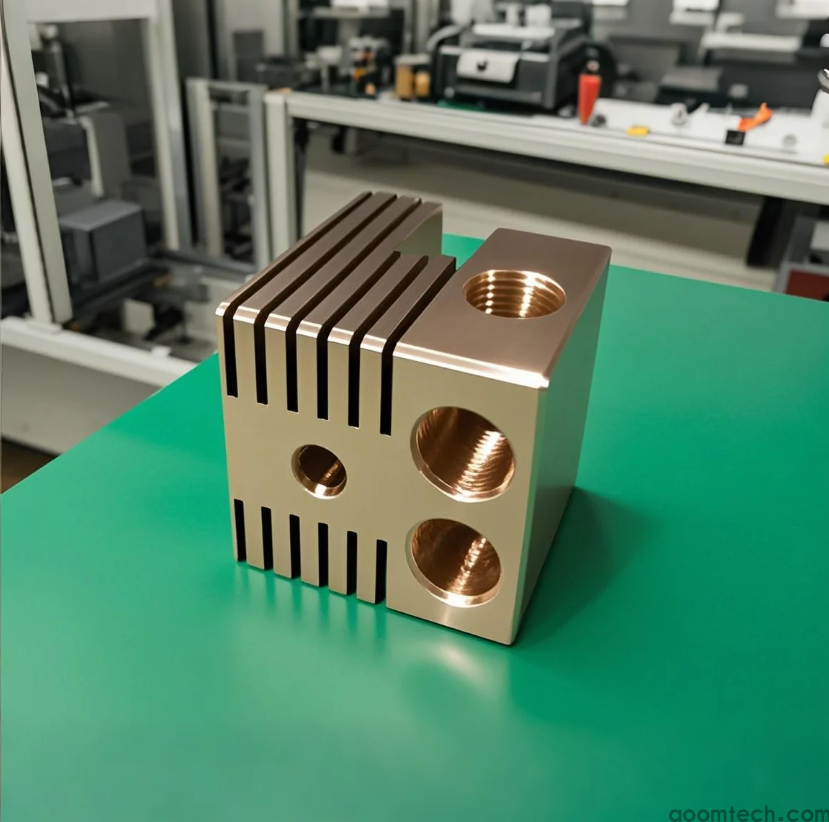
Understanding Copper’s Properties
Thermal Conductivity
Copper has extremely high thermal conductivity, which means heat spreads very quickly through the material during machining. While this is useful in final applications, it creates challenges during CNC processing. Localized cutting heat can travel rapidly across the workpiece, causing uneven expansion and contraction.
For example, during high-speed milling of a thin copper plate, heat may concentrate at the cutting zone. As the tool moves, the heated area expands and then cools immediately afterward, leading to slight warping or surface bending. This is one of the most common deformation problems in copper machining.
Softness and Ductility
Copper is relatively soft and highly ductile compared to steel or aluminum alloys. While this makes it easy to machine, it also means the material can easily deform under cutting forces.
If cutting pressure is too high, the tool may push rather than cut the material cleanly. This can result in edge rolling, surface waviness, or dimensional inaccuracies. Thin-walled copper parts are especially vulnerable because they lack structural rigidity.
Optimizing Machining Parameters
One of the most effective ways to control deformation is by carefully adjusting machining settings. Proper machining parameters to prevent copper part deformation help reduce both heat and cutting stress.
Cutting Speed
Cutting speed directly affects heat generation. If the speed is too high, excessive friction increases temperature and softens the copper surface, making it easier to deform. If it is too low, the tool may rub instead of cut, also generating unwanted heat.
Typical guidelines:
Milling copper: spindle speed around 3,000 – 12,000 RPM depending on tool diameter
Turning copper: cutting speed around 100 – 300 m/min
Balancing speed is essential to maintain stable cutting conditions and avoid thermal distortion.
Feed Rate
Feed rate controls how aggressively the tool engages with the material. A high feed rate increases cutting force and may physically push the copper part out of shape. A very low feed rate, however, can cause rubbing and heat buildup.
Recommended ranges:
Turning: 0.05 – 0.30 mm/rev
Milling: 0.02 – 0.10 mm/tooth depending on tool size
Stable feed control helps maintain consistent chip formation, which is critical for reducing deformation.
Depth of Cut
Depth of cut has a direct impact on cutting force. A large depth increases stress on the material, which can bend or distort thin copper parts. A smaller, multi-pass strategy is often safer.
For delicate copper components:
Use shallow roughing passes (0.2 – 1.0 mm)
Apply finishing passes with minimal depth (0.1 – 0.3 mm)
This step-by-step removal approach significantly reduces internal stress buildup.
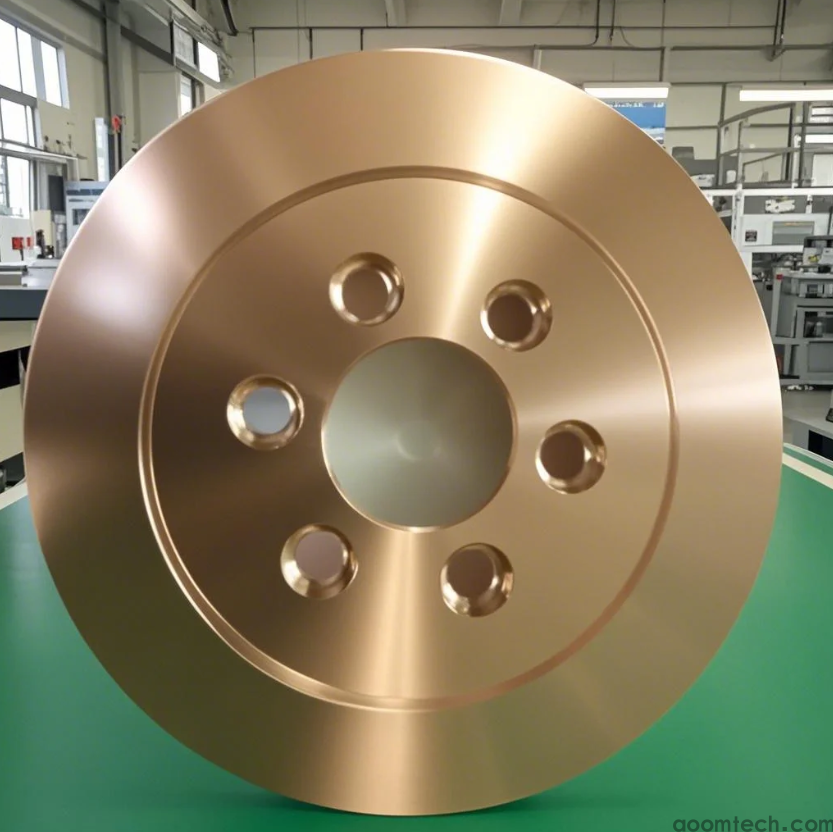
Tooling Selection and Maintenance
Tool Geometry
Tool design plays a major role in tooling for preventing copper part deformation in CNC machining. Copper responds best to sharp cutting edges and positive rake angles.
Recommended geometry features include:
Positive rake angle (5° – 20°) for smoother cutting
Sharp cutting edges to reduce pushing force
Polished flutes to improve chip evacuation
This reduces friction, heat generation, and mechanical stress on the workpiece.
Tool Material and Coating
Carbide tools are widely preferred for copper machining due to their hardness and wear resistance. High-speed steel tools can also be used for simpler operations but wear faster.
Common coatings include:
TiN (Titanium Nitride): reduces friction and improves tool life
Uncoated polished carbide: often preferred for very soft copper to avoid material adhesion
Tool Wear Monitoring
As tools wear, cutting edges become dull and increase friction. This leads to higher cutting forces and heat, which directly contributes to deformation.
Effective monitoring methods include:
Regular visual inspection of cutting edges
Dimensional measurement of machined parts
Using tool life tracking systems in CNC machines
Replacing worn tools early is a simple but highly effective way to maintain dimensional stability.
Workpiece Setup and Fixturing
Stable Fixturing
A stable setup is essential for controlling movement during machining. Poor fixturing can cause vibration or shifting, leading to deformation and inaccurate dimensions.
Common fixturing solutions include:
Precision vices for simple copper blocks
Vacuum fixtures for thin plates
Custom soft jaws for complex geometries
Clamping Force
Clamping force must be carefully controlled. Excess force can deform soft copper before machining even begins, while insufficient force allows movement during cutting.
Best practices:
Use evenly distributed pressure across contact surfaces
Support thin walls with auxiliary fixtures
Test clamping stability before machining starts
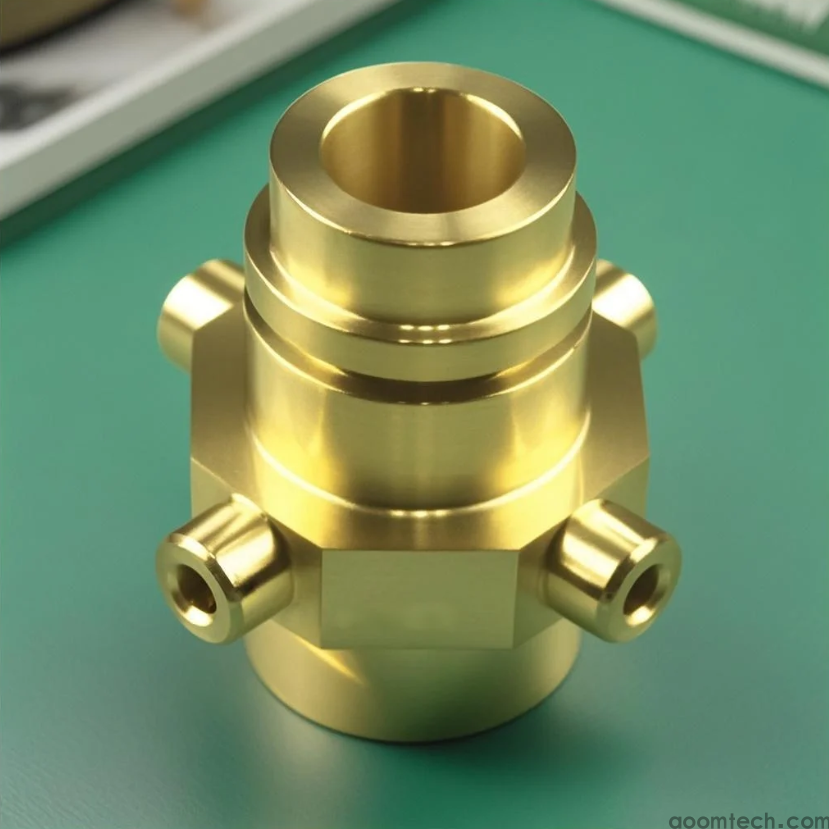
Coolant and Lubricant Usage
Coolant Types
Proper cooling is essential for coolant usage to avoid copper part deformation. Heat control is one of the most effective ways to stabilize copper during machining.
Water-based coolants: Excellent heat dissipation, ideal for high-speed milling
Oil-based coolants: Better lubrication, reduce friction in precision turning
Coolant Application
Even the best coolant is ineffective without proper application. The coolant must reach the cutting zone directly.
Best practices include:
Using high-pressure nozzles for deep or complex cuts
Adjusting flow rate based on cutting intensity
Using multiple nozzles for multi-axis machining operations
Efficient cooling reduces thermal expansion and helps maintain dimensional stability.
Post-Machining Considerations
Stress Relief
After machining, copper parts may retain internal stress due to cutting forces and uneven heating. Over time, this can lead to slow deformation.
Stress relief heat treatment is often applied to stabilize the structure:
Temperature: typically 200°C – 400°C depending on alloy type
Holding time: 30 – 120 minutes
Controlled slow cooling to avoid new stress formation
This process helps ensure long-term dimensional stability.
Inspection and Adjustment
Immediate inspection after machining is critical. Detecting deformation early allows for minor corrections before final assembly.
Inspection methods include:
Caliper and micrometer measurement
CMM (Coordinate Measuring Machine) verification
Flatness and surface profile checks
Minor corrections can sometimes be made through light mechanical straightening or selective re-machining of affected areas.
Conclusion
Successfully controlling deformation requires a combination of correct machining strategy, proper tooling, stable fixturing, and effective heat management. By applying these principles, manufacturers can significantly improve quality and consistency.
In summary, How to Prevent Deformation During CNC Machining of Copper Parts depends on balancing mechanical forces, thermal control, and post-process treatment. When all factors are properly managed, copper parts can be machined with high precision and excellent surface quality.
 How to Ensure Precision in CNC
 Small Batch Precision CNC Mach
 What surface finish can CNC ma
 CNC Machining Tolerance Settin