


How Much Does Small Batch CNC Machining Parts Cost
How Much Does Small Batch CNC Machining Parts Cost
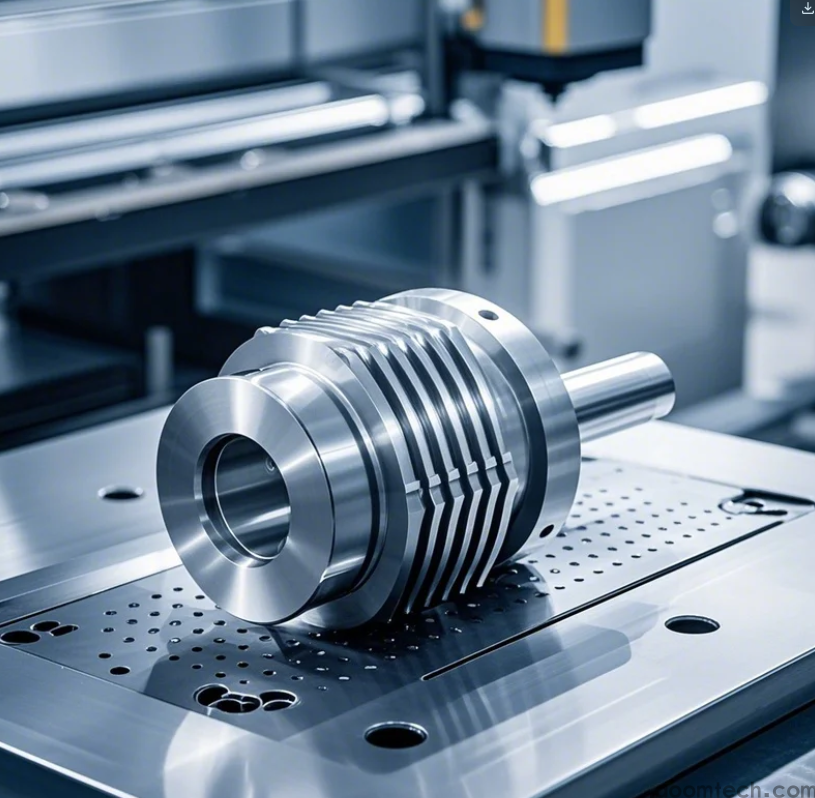
Small batch CNC machining refers to the production of a limited number of precision parts using computer numerical control (CNC) machines. This method is widely used for prototypes, custom components, and low-volume production runs.
Understanding How Much Does Small Batch CNC Machining Parts Cost is important for engineers, product designers, startups, and manufacturers. The final price is not fixed because many factors interact together, such as quantity, material, design complexity, and quality requirements.
Quantity-Related Cost Factors
Economies of Scale
The number of parts in an order has a major impact on pricing. In very small batches (for example, 1–5 pieces), fixed costs like CNC programming, machine setup, and tool preparation are spread across very few parts. This makes each unit expensive.
For example:
1–5 parts: approximately $100–$300 per part (prototype level pricing)
10–50 parts: cost per part may drop significantly as setup cost is distributed
50+ parts: further reduction depending on geometry and material
This is known as the quantity-based cost of small-batch CNC parts. Even if the machining time per part stays the same, the fixed preparation cost becomes cheaper per unit as quantity increases.
Minimum Order Quantities (MOQs)
Many suppliers set a minimum order quantity (MOQ). If your order is below or near this limit, the supplier may charge a higher unit price to cover setup and administrative costs.
In some cases, negotiating future volume orders or combining multiple designs into one production run can help reduce MOQ-related price increases.
Material-Based Cost Elements
Material Type
Material choice is one of the strongest price drivers in CNC machining.
For example:
Aluminum : commonly used, lower cost (approx. $3–$6 per kg depending on grade)Stainless Steel : moderate cost, harder to machineTitanium : high cost (often $20–$60+ per kg), difficult machining process
More expensive materials are usually harder to source, harder to machine, or require special tools and slower cutting speeds. This increases both material and machining time costs. This is often referred to as material cost in small-batch CNC machining.
Material Waste
CNC machining is a subtractive process, meaning material is removed from a solid block. Complex designs can create significant waste, especially when starting from large raw stock.
Examples of high-waste designs include deep cavities, thick blocks turned into thin-walled structures, or irregular 3D shapes. Some suppliers charge based on raw material usage rather than finished part weight, meaning waste directly increases cost.
Design optimization, such as reducing unnecessary material thickness or improving part geometry, can significantly reduce cost and waste.
Machining Complexity and Cost
Geometric Complexity
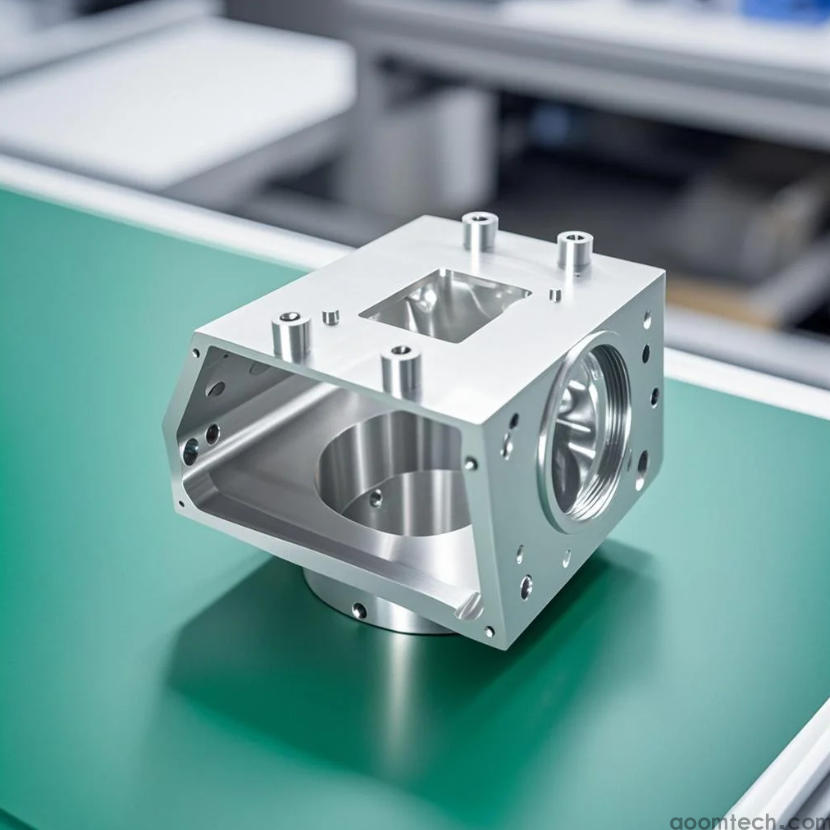
More complex parts require more machining time and operations. Features like internal cavities, undercuts, and multi-axis surfaces increase production difficulty.
For example, a simple bracket may require only one or two setups, while a custom impeller for a pump may require 5-axis machining and multiple tool changes.
This is known as complexity-related cost for small-batch CNC parts. More setups mean more labor, more machine time, and higher cost.
Feature Quantity and Precision
Parts with many features—such as holes, threads, grooves, or slots—take longer to produce. Each feature requires additional tool paths and machining time.
High precision requirements (for example, ±0.01mm tolerance) also increase cost. Achieving this level of accuracy requires:
More advanced CNC machines
Slower machining speeds
Skilled operators
Frequent inspection checks
As a result, a highly detailed, tight-tolerance part can cost several times more than a simple, low-precision component.
Additional Cost-Influencing Factors
Surface Finish
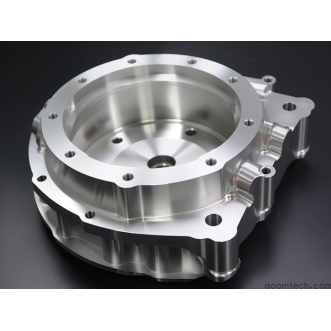
Standard machining leaves a visible tool mark finish, which is sufficient for many industrial applications. However, when a smoother or decorative finish is required, additional processes are needed.
Examples:
Basic machining finish: lowest cost
Bead blasting or anodizing: moderate additional cost
Mirror polishing or lapping: high additional cost
These extra steps increase production time and labor, directly affecting pricing.
Quality Control and Inspection
Strict quality requirements significantly increase cost in small batch production. Each part may need detailed measurement using tools such as CMM (Coordinate Measuring Machine).
When tolerances are tight, inspections must be more frequent and detailed. Because setup and inspection costs are spread across fewer parts, the per-unit cost increases.
Tips for Cost-Effective Small Batch CNC Machining
Here are practical ways to reduce your machining cost without sacrificing quality:
Request quotes from multiple CNC suppliers
Optimize part design for easier machining (DFM principles)
Avoid unnecessary tight tolerances
Select cost-effective materials when possible
Combine multiple parts into one production order if feasible
Clear communication with your supplier is essential. Misunderstood requirements often lead to redesigns, delays, and higher costs.
Conclusion
The question How Much Does Small Batch CNC Machining Parts Cost does not have a single fixed answer. The final price depends on multiple factors working together, including quantity, material type, machining complexity, surface finish, and inspection requirements.
By understanding these cost drivers and planning your design carefully, you can significantly reduce expenses while still achieving high-quality precision parts.
 How to Ensure Precision in CNC
 Small Batch Precision CNC Mach
 What surface finish can CNC ma
 CNC Machining Tolerance Settin