


Small Batch CNC Machining Parts Customization Price
Small Batch CNC Machining Parts Customization Price: A Complete Guide
Small batch CNC machining parts customization refers to producing a limited number of precision parts using computer numerical control (CNC) machines based on customer-specific designs. This service is widely used in industries such as aerospace, electronics, automotive, robotics, and product prototyping.
Understanding the Small Batch CNC Machining Parts Customization Price is very important for businesses and individuals. The price is not fixed and can change greatly depending on material, machining process, part design, and order quantity. This article explains all key pricing factors in a simple and practical way.
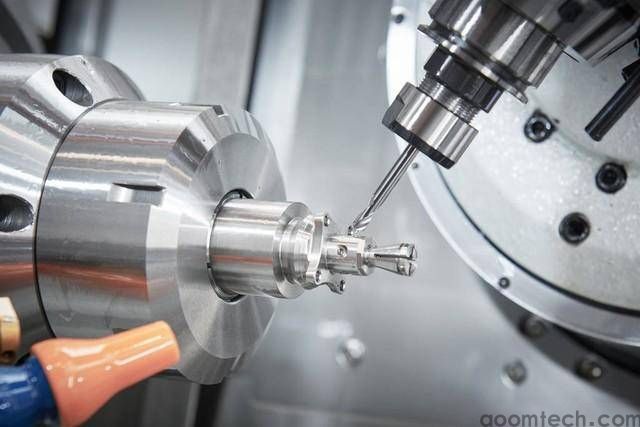
Material-Related Price Factors
Type of Material
One of the biggest factors affecting the price is the type of material used. Different materials have different costs, machining difficulty, and availability.
For example:
Aluminum: about $2 – $6 per kg, widely used and cost-effective
Stainless steel: about $3 – $8 per kg, stronger but harder to machine
Brass: about $4 – $10 per kg, good machinability but higher cost than aluminum
Titanium: about $30 – $60 per kg, expensive and difficult to machine
High-end alloys and special engineering materials usually increase the overall material factors in small-batch CNC machining parts price because they require special cutting tools, slower machining speeds, and careful handling.
Material availability also matters. If the material is rare or must be imported, shipping and sourcing costs will further increase the final price.
Material Quantity and Waste
In small batch production, material cost per part is usually higher because bulk purchasing discounts are limited. This directly affects the unit price.
Another important factor is material waste. Complex designs often require removing large amounts of material from a raw block. For example, a part with deep cavities or irregular shapes may start from a large metal block but only use 40–60% of it. The remaining material becomes waste, which increases cost.
As a result, inefficient designs can significantly raise the overall price of CNC machining parts.
Machining-Process-Related Price Factors
Machine Type and Precision
The type of CNC machine used has a major impact on cost. Different machines have different operating rates and capabilities.
3-axis CNC machines: lower cost, suitable for simple parts
4-axis CNC machines: medium complexity and cost
5-axis CNC machines: highest flexibility and highest cost
For example, a simple bracket may be produced on a 3-axis machine. However, a complex aerospace part with angled surfaces may require a 5-axis machine, which increases hourly machining costs significantly.
Precision requirements also affect pricing. A tolerance of ±0.1mm is much easier and cheaper than ±0.01mm. Higher precision requires slower machining, better calibration, and more advanced inspection tools, increasing the final machining process impact on small-batch CNC parts price.
Machining Operations and Time
CNC machining includes multiple operations such as milling, turning, drilling, tapping, and grinding. Each operation requires time and setup.
For small batch orders, setup time becomes a key cost factor because it is spread across fewer parts. For example:
Programming and setup: 1–3 hours
Milling operation: 30–90 minutes per part
Drilling and finishing: 10–30 minutes per part
A complex part may require several machine setups and tool changes. This increases total machining time and directly raises cost.
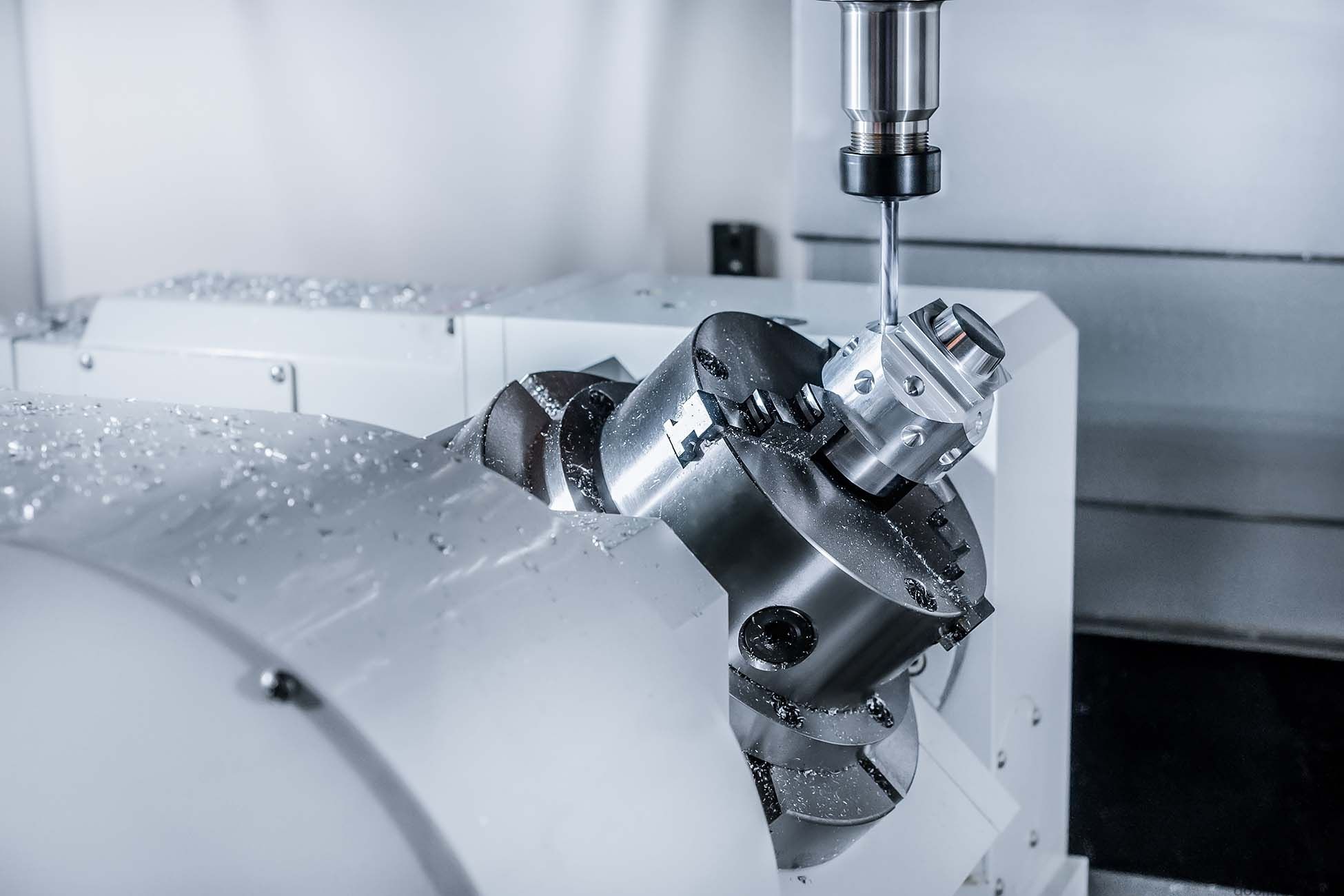
Part Complexity-Related Price Factors
Geometric Complexity
Parts with complex shapes are more expensive to manufacture. Features like deep cavities, thin walls, undercuts, and curved surfaces require advanced machining strategies and skilled operators.
For example, a custom impeller used in a small turbine requires precise curved blade geometry. This type of part often needs 5-axis machining, specialized tools, and long programming time, increasing overall cost significantly.
Feature Quantity and Inter-relationships
The number of features on a part also affects price. Features include holes, threads, slots, grooves, and pockets. The more features a part has, the more machining steps are required.
In addition, feature alignment is important. If a part has multiple holes that must align precisely with other components, additional measurement and inspection steps are needed.
This increases complexity and contributes to higher pricing for small batch CNC production.
Additional Services and Costs
Surface Treatment
Surface finishing improves appearance, corrosion resistance, and durability. Common treatments include anodizing, plating, polishing, and painting.
Anodizing: about $5 – $15 per square meter
Electroplating: about $10 – $30 per square meter
Powder coating: about $8 – $20 per square meter
The cost depends on surface area, color requirements, and quality level. These treatments are important contributors to the final Small Batch CNC Machining Parts Customization Price.
Inspection and Quality Control
High-precision parts require strict inspection. Tools like coordinate measuring machines (CMM), micrometers, and laser scanners are used to ensure accuracy.
Inspection adds both time and cost. For small batch production, inspection cost per part is higher because it is spread across fewer units.
For example, a part with ±0.01mm tolerance may require 100% inspection, increasing both labor time and quality control expenses.
Batch-Size Related Price Considerations
Batch size has a major influence on cost due to economies of scale. Fixed costs such as programming, setup, and tooling are shared across all parts.
In small batch production, these fixed costs are divided among fewer units, making each part more expensive.
For example:
Batch of 5 parts: high cost per unit due to setup spread
Batch of 50 parts: lower cost per unit
Batch of 500 parts: significantly lower cost per unit
This is known as the batch-size effect on small-batch CNC machining parts customization price. In general, the more parts you order, the lower the cost per part becomes.
Tips for Getting a Better Price
If you want to reduce costs while maintaining quality, consider the following practical tips:
Request quotes from multiple CNC suppliers
Provide complete and detailed CAD drawings
Clearly define tolerance and surface requirements
Simplify part design where possible
Discuss potential long-term cooperation discounts
Clear communication helps suppliers give more accurate pricing and reduces unexpected costs during production.
Conclusion
The Small Batch CNC Machining Parts Customization Price depends on many interconnected factors, including material type, machining process, part complexity, additional services, and batch size. Understanding these elements helps buyers make better decisions and optimize cost without sacrificing quality.
By carefully designing parts, selecting suitable materials, and working closely with reliable CNC manufacturers, businesses can achieve both precision and cost efficiency in small batch production.
 How to Ensure Precision in CNC
 Small Batch Precision CNC Mach
 What surface finish can CNC ma
 CNC Machining Tolerance Settin