


How to Choose a Supplier for CNC Machining Copper Parts
How to Choose a Supplier for CNC Machining Copper Parts
Choosing the right partner for copper component manufacturing is critical for product performance, cost control, and long-term reliability. Copper is widely used in electrical systems, plumbing, heat exchangers, and precision engineering because of its excellent conductivity and corrosion resistance. However, it is also a challenging material to machine properly. This guide explains How to Choose a Supplier for CNC Machining Copper Parts using practical, real-world criteria to help you make a confident decision.
Machining Capabilities for Choosing Copper Part Suppliers
Machine Types and Precision
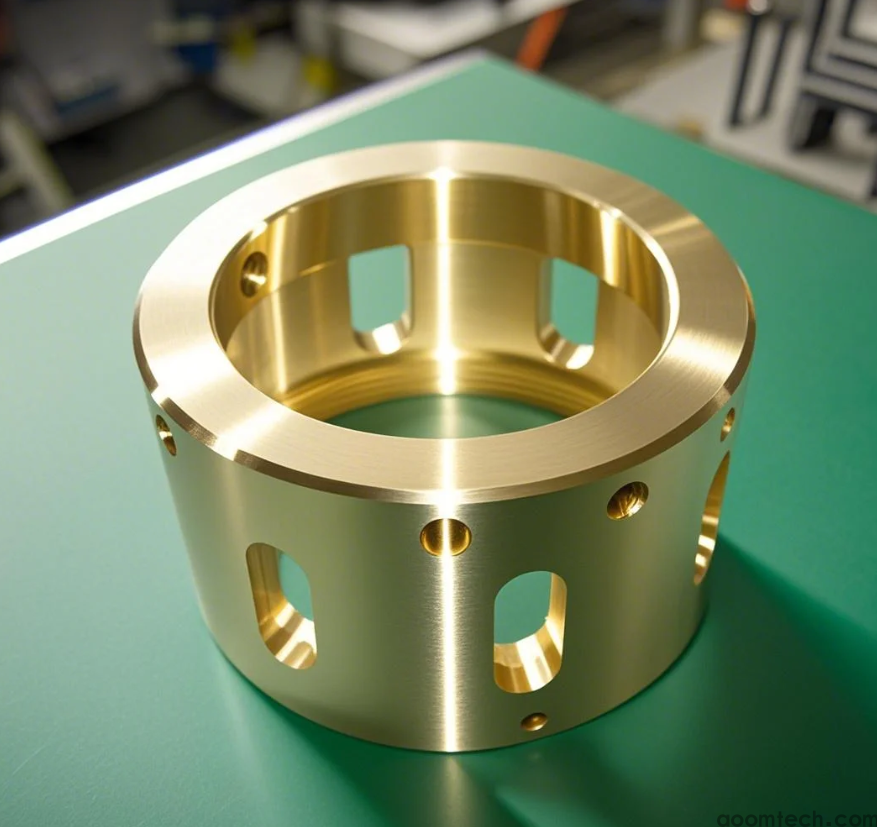
When evaluating suppliers, the first step is checking their CNC machining capabilities. Copper parts often require tight tolerances, especially in electronics, connectors, and fluid systems. A capable supplier should have modern CNC equipment such as 3-axis, 4-axis, and ideally 5-axis machines.
5-axis CNC machines are especially valuable because they can produce complex geometries in a single setup, reducing errors caused by multiple repositioning steps. For high-quality copper machining, ask suppliers about their typical tolerance range. Reliable suppliers often achieve tolerances such as ±0.05mm or better, depending on part complexity.
It is also important to confirm whether the supplier performs regular machine calibration. Without calibration, even advanced machines can produce inaccurate parts over time due to wear, vibration, or thermal changes.
Cutting Tools and Tooling Management
Copper is soft and ductile, which means poor tooling can easily cause surface defects like smearing or tearing. A professional supplier should use sharp, high-quality cutting tools designed specifically for copper machining.
Carbide-tipped end mills with polished flutes
Tools with optimized rake angles to reduce sticking
Coatings that reduce friction and heat buildup
Tool management is equally important. Worn tools can lead to rough surface finishes, dimensional errors, and burr formation. A reliable supplier tracks tool wear and replaces tools before performance drops. This ensures consistent quality across all copper parts.
Experience and Expertise
Industry Experience
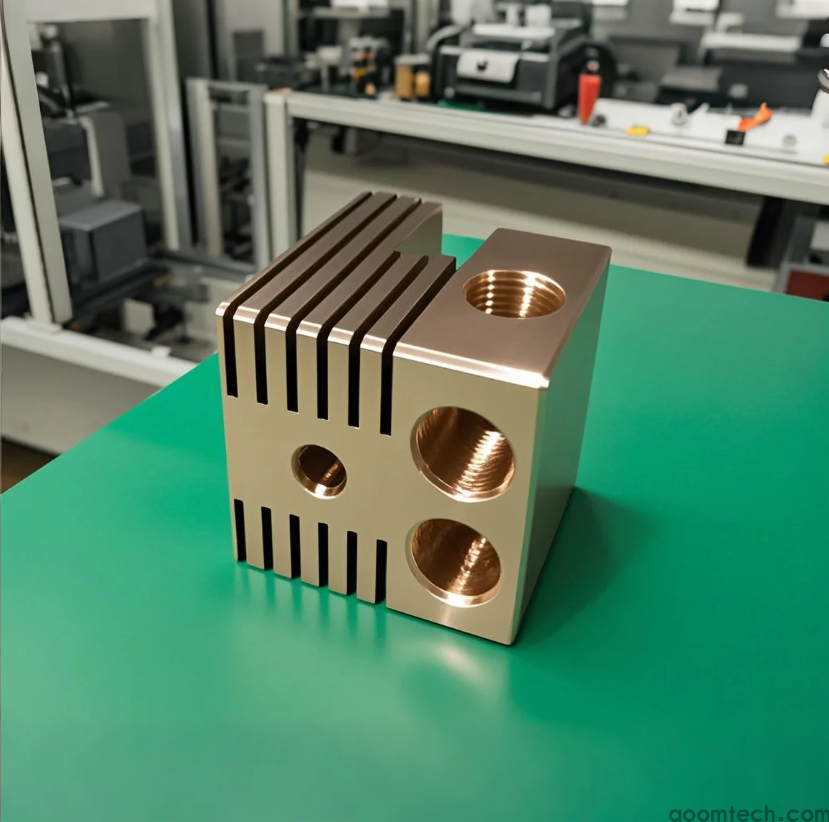
Experience matters greatly in copper machining. Suppliers with long-term industry experience are more likely to understand common challenges such as heat buildup, chip control, and material deformation.
Ask for case studies or project references involving copper components. Experienced suppliers can demonstrate how they adjust cutting speeds, feeds, and cooling strategies to achieve stable machining results.
Knowledge of Copper Properties
Copper has high thermal and electrical conductivity, which directly affects machining behavior. A knowledgeable supplier understands how heat spreads quickly through the material and how this impacts tool life and surface quality.
For example, advanced suppliers often use specialized coolant systems to reduce heat buildup and prevent deformation. During supplier evaluation, ask technical questions about how they handle copper-specific machining challenges. Their answers will reveal their real expertise.
Quality Assurance in Selecting Copper-Part CNC Suppliers
Quality Control Processes
Strong quality control is essential when working with copper parts. A professional supplier should implement inspections at multiple stages of production.
In-process inspection using calipers and micrometers
Surface quality checks during machining
Final inspection for dimensional accuracy and surface defects
Consistent inspection helps detect problems early and prevents defective parts from reaching customers. Ask suppliers how frequently they perform inspections and what measurement tools they use.
Certifications and Standards
Certifications demonstrate a supplier’s commitment to quality systems. ISO 9001 is a common standard that ensures consistent production processes and continuous improvement.
For specialized industries, additional certifications may be required. For example, medical applications may require ISO 13485 compliance, while aerospace projects may require AS9100 standards. Always request valid documentation before making a decision.
Cost-Effectiveness
Price Comparison
When sourcing copper machining services, it is important to compare multiple suppliers. However, the lowest price does not always provide the best value. A proper comparison should include:
Material cost
Machining time and complexity
Surface finishing requirements
Delivery schedule
To get the best deal, consider discussing volume discounts if you plan to place large or repeat orders. This can significantly reduce unit costs over time.
Value-Added Services
Some suppliers offer additional services that improve overall project efficiency. These may include:
Design for manufacturability (DFM) support
Surface finishing such as polishing or plating
Assembly or packaging services
These services can reduce outsourcing needs and save both time and cost in your supply chain.
Delivery and Customer Service
Delivery Time and Reliability
On-time delivery is essential for maintaining production schedules. A reliable supplier should provide clear lead times and communicate proactively if delays occur.
Late deliveries can disrupt assembly lines, delay product launches, and increase overall costs. Always ask for customer references to verify delivery performance before placing orders.
Customer Service
Good communication is a strong indicator of a professional supplier. Responsive customer service ensures that technical questions, quotation requests, and production updates are handled quickly.
During the early communication stage, observe how fast and clearly the supplier responds. This often reflects how they will handle future collaboration and problem-solving.
Conclusion
Selecting the right partner for copper machining is not just about price—it is about capability, reliability, and technical understanding. By carefully evaluating machining equipment, experience, quality systems, cost structure, and service level, you can significantly reduce production risks and improve product quality.
When applying these principles on How to Choose a Supplier for CNC Machining Copper Parts, you ensure that your copper components meet performance expectations while maintaining cost efficiency and stable supply.
 How to Ensure Precision in CNC
 Small Batch Precision CNC Mach
 What surface finish can CNC ma
 CNC Machining Tolerance Settin