


What Factors Affect CNC Machining Quote
What Factors Affect CNC Machining Quote
When customers request CNC machining services, one of the most common questions is: What Factors Affect CNC Machining Quote? The final price of CNC machined parts is not random. It is calculated based on materials, design complexity, machining processes, quantity, and several additional services. Understanding these factors helps buyers make better decisions and control manufacturing costs.
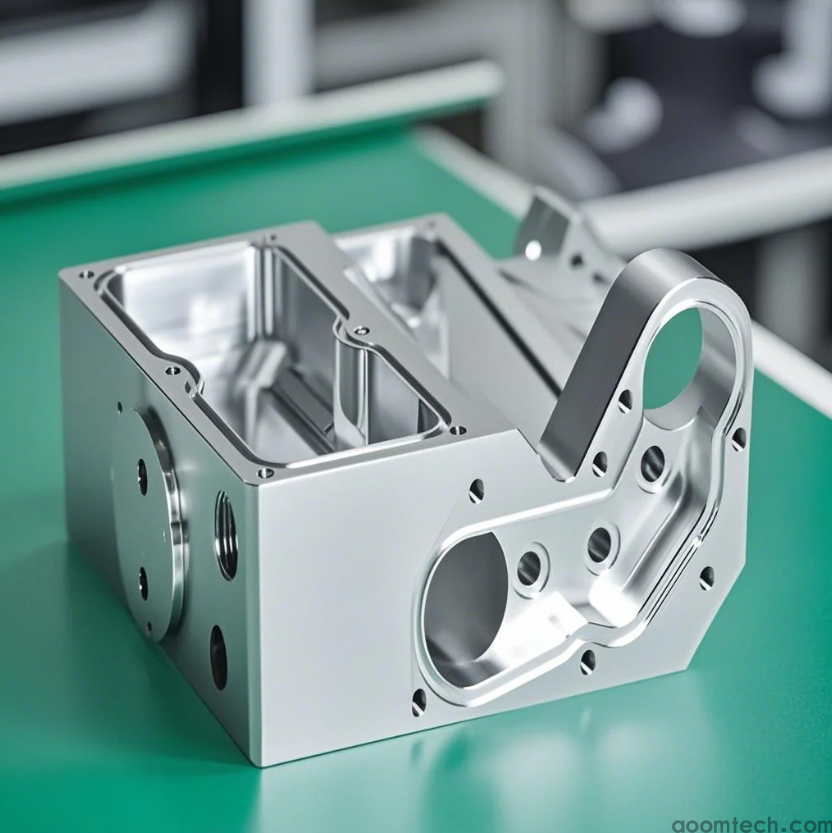
Material-Related Factors in CNC Machining Quote
Material Type
The type of material has a major impact on pricing. This is one of the most important material factors in CNC machining quote.
Common materials like aluminum and mild steel are generally affordable and easy to machine. They allow faster cutting speeds and reduce tool wear. In contrast, materials such as titanium, stainless steel, and high-performance alloys are more expensive because they are harder, tougher, and require slower machining speeds.
Special materials like heat-resistant ceramics or aerospace-grade alloys are even more costly. These materials are often used in industries such as aerospace, medical, and energy, where performance is critical and material production itself is expensive.
Material Quantity and Waste
The amount of raw material needed also affects the quote. Buying materials in larger volumes can sometimes reduce unit cost due to supplier discounts. However, material waste is another important consideration.
If a part has a complex shape or requires heavy cutting, a significant portion of the raw block may become waste. For example, machining a lightweight aerospace bracket from a solid metal block can result in high material loss, increasing overall cost.
Part-Related Factors
Complexity of the Part
Design complexity is one of the strongest pricing drivers in CNC machining. This relates directly to part complexity and CNC machining quote.
Parts with deep cavities, thin walls, curved surfaces, or multiple angled holes require more machining time and advanced equipment such as 5-axis CNC machines. Each additional feature increases programming time, setup difficulty, and machining duration.
For example, aerospace components and custom medical implants are highly complex and require precise multi-axis machining, which significantly increases cost compared to simple mechanical brackets.
Precision Requirements
Tight tolerances also increase cost. A part requiring ±0.01mm accuracy is significantly more expensive than one with ±0.1mm tolerance.
High precision requires better machines, stable environments, sharper tools, and more frequent inspection using measurement systems like CMM (Coordinate Measuring Machines). All of these factors increase production time and cost.
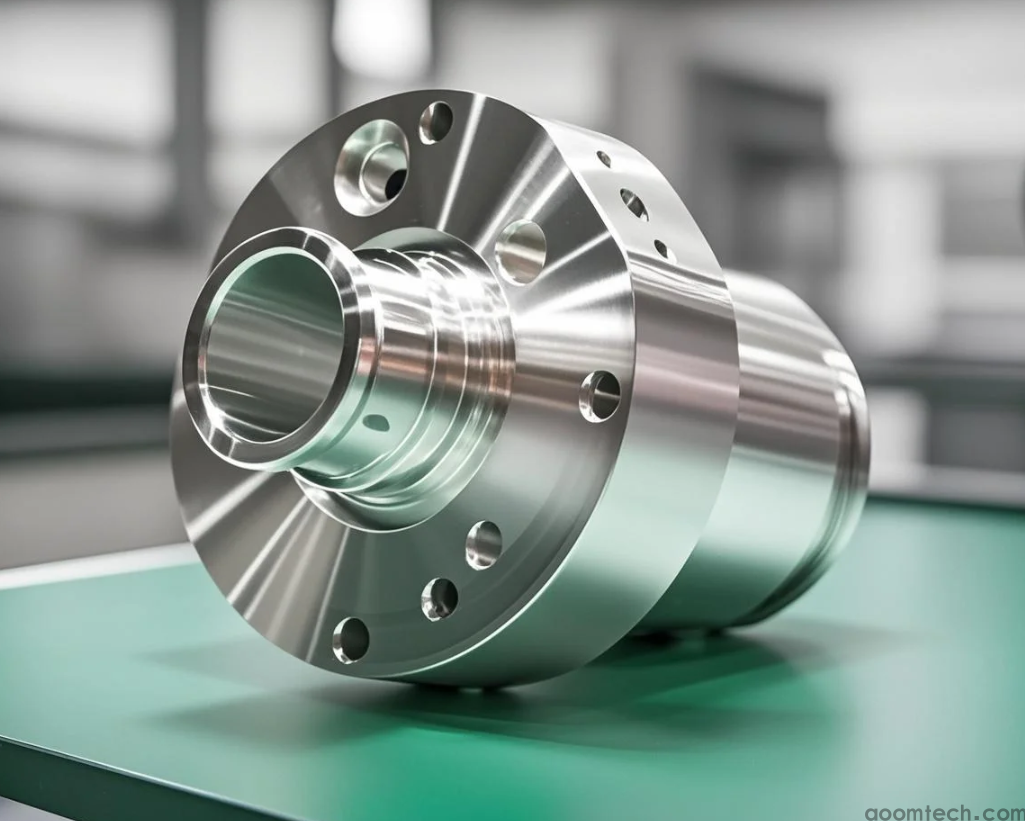
Machining Process Factors
Machine Type and Capacity
Different CNC machines have different operating costs. A basic 3-axis machine is cheaper to run than a 5-axis machining center.
5-axis machines allow complex shapes to be produced in a single setup, but they require higher investment, advanced programming, and skilled operators. Therefore, their hourly rate is higher.
Machine size also matters. Large parts that require big CNC machines or special setups will naturally increase the quote due to limited equipment availability and higher operating costs.
Tooling and Setup
Tooling is another key cost factor. Standard cutting tools are relatively affordable, but specialized tools such as diamond-coated cutters or custom-shaped tools can be expensive.
Setup time is also included in the cost. This includes:
Programming CNC toolpaths
Designing and installing fixtures
Machine calibration and alignment
Test runs before production
For complex parts, setup time can be significant, especially for low-volume production.
Quantity-Related Factors in CNC Machining Quote
Production Quantity
Production volume strongly influences pricing and is known as quantity-related factors in CNC machining quote.
In small-batch production, fixed costs such as programming and setup are spread across fewer parts, making each unit more expensive. However, in large-volume production, these fixed costs are distributed across many units, reducing the cost per part.
For example, producing 10 units may have a much higher per-piece cost than producing 1,000 units of the same part due to economies of scale.
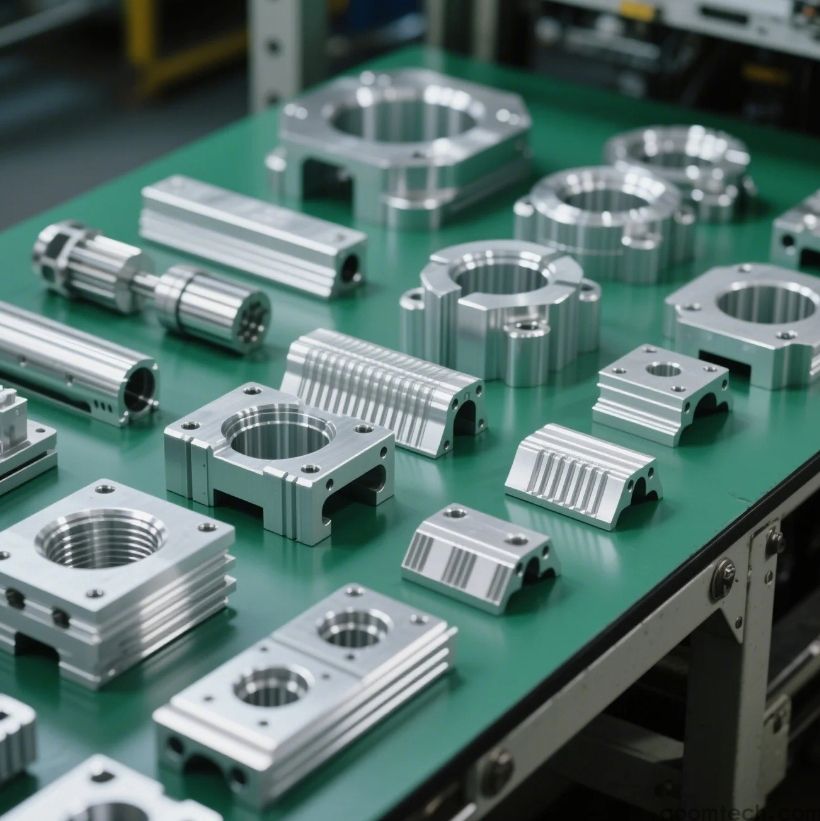
Additional Services and Location
Additional Services
Extra processing steps also affect pricing. These may include:
Heat treatment for strength improvement
Anodizing or plating for corrosion resistance
Powder coating for surface protection and appearance
Assembly or post-processing operations
Each additional service adds labor, time, and material cost, increasing the final quote.
Location
The location of the machining facility also influences cost. Labor rates, taxes, and operational expenses vary by region.
For example, workshops in major industrial cities often have higher costs compared to rural areas. In addition, shipping distance between the factory and customer can significantly affect transportation expenses.
Conclusion
The answer to What Factors Affect CNC Machining Quote is a combination of many elements: material selection, part complexity, precision requirements, machining processes, production quantity, and additional services.
By understanding these pricing factors clearly, buyers can optimize designs, choose suitable materials, and plan production more efficiently to reduce overall manufacturing costs without compromising quality.
 How to Ensure Precision in CNC
 Small Batch Precision CNC Mach
 What surface finish can CNC ma
 CNC Machining Tolerance Settin