


Aircraft Parts CNC Machining Process
The Aircraft Parts CNC Machining Process is a highly precise manufacturing method used to produce critical components for airplanes and aerospace systems. In aviation, safety and performance depend on accuracy at the microscopic level. Even a small error in a part can affect fuel efficiency, structural strength, or flight safety. CNC (Computer Numerical Control) machining helps manufacturers meet these strict requirements by producing consistent, high-quality aircraft parts with tight tolerances.
The Significance of CNC Machining in Aircraft Parts Production
CNC machining plays a key role in modern aerospace manufacturing. Aircraft must operate under extreme conditions such as high pressure, temperature changes, and continuous vibration. Therefore, every component must be strong, lightweight, and precisely manufactured.
Common aircraft parts made using CNC machining include engine components, wing structures, landing gear systems, and control system parts. For example, a turbine blade in a jet engine must be machined with extreme accuracy to ensure smooth airflow and maximum fuel efficiency. Similarly, wing structural components must be lightweight yet strong enough to withstand heavy aerodynamic forces.
Without CNC technology, achieving this level of precision and repeatability would be extremely difficult.
Steps in the Aircraft Parts CNC Machining Process
Design and Programming
The first step in the Aircraft Parts CNC Machining Process is design and programming. Engineers create a detailed 3D model using CAD (Computer-Aided Design) software. This model defines every dimension and geometric detail of the aircraft part.
Next, CAM (Computer-Aided Manufacturing) software converts the design into machine instructions. These instructions include toolpaths, cutting speeds, feed rates, and machining sequences. Accurate programming is essential because even a small coding error can lead to a defective part that does not fit or function correctly in an aircraft system.
Material Selection and Preparation
Material selection is one of the most important stages in materials for aircraft parts CNC machining. Aircraft parts require materials that are strong, lightweight, and resistant to corrosion and fatigue.
Common materials include:
Aluminum alloys – lightweight and corrosion-resistant, widely used in aircraft structures
Titanium alloys – high strength-to-weight ratio and excellent heat resistance, used in engines and landing gear
High-strength steels – used in bolts, fasteners, and heavy-load components
After selection, raw materials are cut into suitable sizes for machining. Proper preparation ensures efficiency and reduces waste during production.
Machining Operations
Machining is the core stage of the process. Several operations are used depending on the part design:
Milling: Used for creating complex shapes, flat surfaces, and grooves. CNC milling for aircraft parts often uses carbide tools for hard materials like titanium.
Turning: Used for cylindrical parts such as shafts and rotating components. Precision is required to maintain concentricity.
Drilling: Used to create holes for fastening and assembly.
Each machining process must be carefully controlled to ensure accuracy, surface quality, and structural integrity.
Heat Treatment (if required)
Some aircraft components undergo heat treatment to improve mechanical properties such as hardness, strength, and fatigue resistance. Processes like annealing, quenching, and tempering are commonly used.
For example, high-strength steel parts may be heat treated to improve their ability to withstand heavy mechanical loads during flight operations.
Finishing Operations
Finishing is the final shaping and surface improvement stage. It ensures that the part meets both functional and aesthetic requirements.
Common finishing methods include:
Grinding: Improves dimensional accuracy and surface smoothness
Polishing: Reduces friction and improves aerodynamic performance
Surface coating: Protects against corrosion and wear (e.g., anodizing for aluminum)
These steps enhance durability and extend the service life of aircraft components.
Materials Used in Aircraft Parts CNC Machining
Aluminum Alloys
Aluminum alloys are widely used due to their lightweight nature and good corrosion resistance. In aircraft manufacturing, they help reduce overall weight, improving fuel efficiency.
However, aluminum can work-harden during machining, so proper cutting speed and cooling are required to maintain quality and avoid tool wear.
Titanium Alloys
Titanium is known for its excellent strength-to-weight ratio and heat resistance. It is commonly used in engine parts and landing gear systems.
Machining titanium is challenging because it generates heat quickly due to low thermal conductivity. To solve this, manufacturers use special cutting tools, optimized feed rates, and high-performance cooling systems.
High-Strength Steels
High-strength steels are used in components that must handle extreme loads. These materials are harder to machine, requiring strong cutting tools and slower machining speeds.
Despite the difficulty, they are essential for structural integrity and long-term durability in aircraft systems.
Challenges in Aircraft Parts CNC Machining
High Precision Requirements
Aviation parts require extremely tight tolerances. Even a small deviation can affect safety and performance. Manufacturers use advanced measuring systems and regularly calibrate CNC machines to ensure accuracy.
Material Machining Difficulties
Different materials behave differently during machining. Titanium and hardened steels, for example, can cause tool wear and heat buildup. To overcome this, manufacturers use advanced tooling, optimized cutting parameters, and efficient cooling systems.
Cost and Production Time
The aerospace industry requires both high quality and fast delivery. However, achieving precision often increases production time and cost. Multi-axis CNC machines help reduce setup time and improve efficiency by performing multiple operations in a single cycle.
Quality Control in Aircraft Parts CNC Machining
In-Process Inspection
Quality control in aircraft parts CNC machining begins during production. Operators regularly inspect parts using tools such as calipers, micrometers, and optical measuring devices.
Monitoring tool wear and surface quality helps prevent defects before they occur. If a tool becomes worn, it is replaced immediately to maintain consistency.
Final Inspection
After machining is complete, a full inspection is performed. Coordinate Measuring Machines (CMM) are often used to check dimensional accuracy and geometric tolerances.
Any part that does not meet specifications is either reworked or rejected to ensure only safe and compliant components are used in aircraft assembly.
Documentation and Traceability
Every step of the process is recorded, including material batch numbers, machining parameters, and inspection results. This ensures full traceability.
If a defect is discovered later, manufacturers can trace it back to the exact production stage, helping improve future processes and maintain aviation safety standards.
Conclusion
The Aircraft Parts CNC Machining Process is a critical foundation of modern aerospace manufacturing. It ensures that every component meets strict requirements for precision, strength, and reliability. From CAD design and material selection to machining, heat treatment, finishing, and quality control, each step contributes to the safety and performance of an aircraft.
By using advanced technologies and strict quality control in aircraft parts CNC machining, manufacturers can produce reliable parts that meet global aviation standards. As aerospace technology continues to evolve, CNC machining will remain essential in building safer, more efficient aircraft.
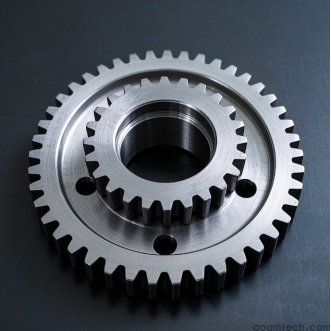 Process of Custom High-Precisi
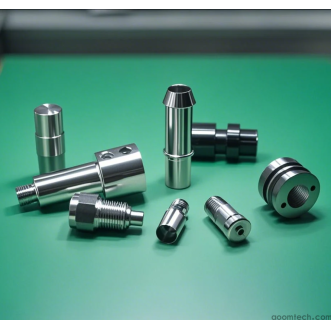 CNC Machining Parameter Settin
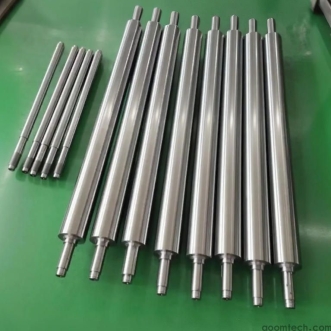 5 Key Tips for CNC Machining o
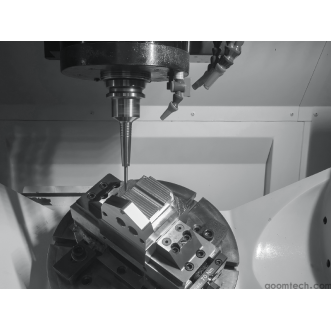 Small-batch Precision Parts 5-