


Batch CNC Machining Process for Aluminum Parts
The Batch CNC Machining Process for Aluminum Parts is a modern manufacturing method used to produce multiple aluminum components with high precision and consistency. It is widely used in industries that need medium to large quantities of identical or similar parts. Because aluminum is lightweight, corrosion-resistant, and has excellent thermal conductivity, it is one of the most common materials in CNC production.
This article explains the full process, including its significance, production steps, materials, challenges, and quality control methods in a clear and practical way.
The Significance of Batch CNC Machining for Aluminum Parts
Batch CNC machining plays an important role in modern manufacturing because it allows companies to produce aluminum parts efficiently while maintaining stable quality across all pieces.
Aluminum is widely used in industries such as automotive, aerospace, electronics, and industrial equipment. For example, lightweight aluminum components in cars help improve fuel efficiency, while heat sinks in electronics improve thermal management.
Using batch production ensures lower cost per part, faster delivery, and consistent quality, which is essential for mass production environments.
Steps in the Batch CNC Machining Process for Aluminum Parts
Pre-production Planning
This is the first and most important stage. Engineers study CAD drawings or 3D models to understand the part structure and functional requirements. They define machining strategies, tool paths, and cutting parameters.
Good planning reduces errors, improves efficiency, and ensures smooth production flow for the entire batch.
Material Preparation
Different aluminum alloys are selected based on application needs:
6061 aluminum – general purpose, good strength and corrosion resistance
7075 aluminum – high strength, used in aerospace and high-load parts
2024 aluminum – used in aerospace structures requiring fatigue resistance
The aluminum stock is cut into blanks and may be pre-treated such as annealing to reduce internal stress and improve machining stability.
CNC Machining Operations
Milling
Milling is widely used in batch milling of aluminum parts in CNC. A rotating tool removes material to create complex shapes, slots, and flat surfaces.
Carbide end mills are commonly used due to their durability and cutting performance. Typical parameters include spindle speeds of 3000–8000 rpm and feed rates of 0.1–0.3 mm/tooth.
Maintaining consistent cutting settings across all parts is critical for uniform quality.
Turning
Turning aluminum parts in batch CNC machining is used for cylindrical components such as shafts and bushings. The workpiece rotates while a cutting tool shapes the outer surface.
Spindle speeds typically range from 2000–6000 rpm, with feed rates of 0.05–0.2 mm/rev. Proper tool selection and stable cutting conditions help achieve smooth surface finishes and accurate dimensions.
Drilling
Drilling is used to create holes for assembly and fastening. Twist drills with point angles of 118°–135° are commonly used for aluminum.
Cutting speeds of 1500–4000 rpm and controlled feed rates help prevent tool breakage and ensure accurate hole positioning in mass production.
Quality Control during Machining
In-process inspection is essential in batch production. Operators regularly check dimensions, surface finish, and tool wear.
Common tools include calipers, micrometers, and optical comparators. If deviations are found, machining parameters are adjusted immediately to maintain consistency across the batch.
Finishing Operations
After machining, parts undergo finishing processes such as:
Deburring to remove sharp edges
Anodizing for corrosion resistance and improved appearance
Powder coating for durability
Polishing for high-quality surface finish
These processes improve both function and appearance, increasing product value.
Final Inspection and Packaging
A final inspection ensures all parts meet required standards. Depending on the quality plan, all or sampled parts are checked using precision instruments such as CMM (Coordinate Measuring Machines).
After approval, parts are carefully packaged to prevent damage during transportation and storage.
Challenges in Batch CNC Machining of Aluminum Parts
Tool Wear and Consistency
Tool wear is a common issue in large batch production. As tools wear, accuracy and surface quality may decrease.
Solutions include using high-quality cutting tools, monitoring tool condition regularly, and applying tool compensation or timely replacement.
Heat Generation and Dimensional Stability
Heat generated during machining can affect aluminum’s dimensional stability. This may lead to small deformations in parts.
To reduce this issue, manufacturers use coolant systems, optimize cutting parameters, and allow cooling time between operations.
Production Planning and Scheduling
Efficient scheduling is required to manage machines, materials, and delivery deadlines. Poor planning may cause delays or production interruptions.
Many manufacturers use production management software and maintain backup plans for material shortages or machine downtime.
Quality Control in Batch CNC Machining of Aluminum Parts
In-process Inspection Procedures
During production, inspections are performed at regular intervals. Measurements include dimensions, surface roughness, and tool conditions.
If deviations are detected, operators immediately adjust machining parameters to prevent further defects.
Final Inspection Criteria
Final inspection defines acceptable tolerances for size, shape, and surface quality. Non-conforming parts are either reworked or rejected.
All inspection data is recorded for traceability and quality assurance purposes.
Statistical Process Control (SPC)
Quality control in batch CNC machining of aluminum parts often uses Statistical Process Control (SPC). This method collects production data and analyzes trends using control charts.
SPC helps manufacturers detect small variations early and maintain stable production quality over time.
Conclusion
The Batch CNC Machining Process for Aluminum Parts is a highly efficient and reliable manufacturing method. It combines advanced CNC technology, precise process control, and strict quality management to produce consistent aluminum components in large quantities.
By understanding each stage—from planning and machining to inspection and finishing—manufacturers can improve productivity, reduce costs, and ensure high product quality for demanding industries such as automotive, aerospace, and electronics.
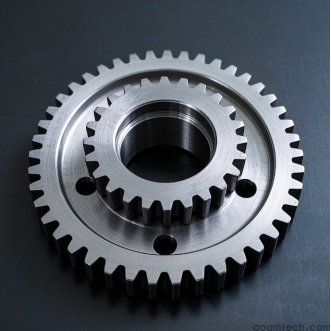 Process of Custom High-Precisi
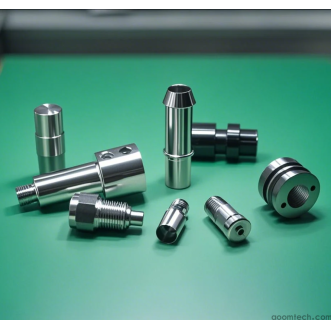 CNC Machining Parameter Settin
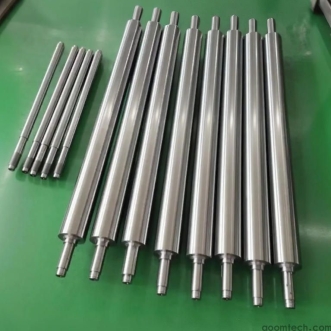 5 Key Tips for CNC Machining o
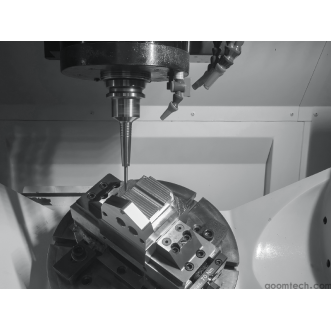 Small-batch Precision Parts 5-