


Competent CNC Milling Manufacturer
Introduction to Competent CNC Milling Manufacturers
Finding a Competent CNC Milling Manufacturer is essential for businesses and individuals who need high-quality machined parts. A reliable manufacturer ensures accurate components, stable production schedules, and cost-effective solutions. In contrast, an unqualified supplier can cause serious problems such as poor product quality, delayed deliveries, and unexpected extra costs.
For example, in the automotive industry, poorly milled engine or transmission parts can lead to system failure and even product recalls. In electronics manufacturing, inaccurate CNC parts may result in assembly issues, production shutdowns, or reduced product lifespan. These risks highlight why choosing the right manufacturing partner is a critical decision.
Technical Competence of CNC Milling Manufacturers
Advanced Machinery and Equipment
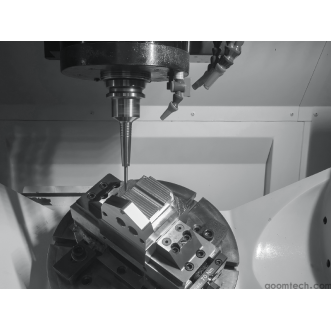
A true Competent CNC Milling Manufacturer invests in modern CNC equipment. Advanced machines such as 5-axis or multi-axis CNC milling centers are essential for producing complex geometries with tight tolerances. High-speed spindles improve cutting efficiency, while automatic tool changers reduce downtime and increase productivity.
When evaluating a manufacturer, check the condition and age of their machines. Regular maintenance records and updated equipment indicate stable production capability and long-term reliability. Outdated machines may struggle with precision and consistency.
Skilled Workforce
Even the best machines require skilled professionals. A strong manufacturer employs experienced CNC programmers, operators, and engineers. This is a key part of the technical competence of CNC milling manufacturers.
Programmers should be proficient in CAD/CAM software for accurate toolpath creation.
Operators must understand machine setup, calibration, and real-time monitoring.
Engineers should be able to solve complex machining challenges and optimize processes.
Certifications in CNC programming and years of hands-on experience are strong indicators of workforce capability.
Material and Process Expertise
A competent manufacturer must understand how different materials behave during machining. Aluminum, stainless steel, steel, and engineering plastics all require different cutting speeds, feed rates, and tooling strategies.
For example, machining hardened steel requires specialized cutting tools and optimized parameters to prevent tool wear and maintain accuracy. Without this expertise, part quality and tool life will suffer significantly.
Quality Assurance in Competent CNC Milling Firms
Quality Management Systems
Strong quality assurance in competent CNC milling firms is often supported by certifications such as ISO 9001. These systems ensure consistent quality through structured processes.
In-process inspections during production
Final product quality testing before shipment
Detailed documentation for traceability
A reliable manufacturer clearly defines how non-conforming parts are handled, ensuring defective products are identified and corrected quickly.
Precision Measuring Instruments
High-quality CNC manufacturers use advanced measuring tools to ensure accuracy. These include coordinate measuring machines (CMM), micrometers, and calipers.
These instruments are used to measure critical dimensions at multiple points on a part, ensuring that every component meets strict tolerances before delivery.
Production Capacity and Delivery Performance
Production Scale and Flexibility
A competent CNC milling manufacturer should handle both small prototype orders and large-scale production runs. Flexibility is essential, especially when customers need design changes or urgent quantity adjustments.
Manufacturers with modular production systems can quickly adapt workflows to different part requirements, improving efficiency and responsiveness.
On-Time Delivery Record
Reliable delivery performance is a key factor in choosing a supplier. Delays in CNC machining can disrupt entire production chains and lead to financial losses.
To evaluate this, businesses can request customer references, review past project timelines, or check industry feedback. A strong on-time delivery record reflects strong planning and production control.
Customer Service and Support
Responsive Communication
Good communication is a sign of a reliable partner. A competent CNC milling manufacturer responds quickly to inquiries, provides clear quotations, and updates customers on production progress.
Some manufacturers use online project tracking systems or dedicated account managers to improve communication efficiency.
Technical Support and Collaboration
Beyond production, strong manufacturers offer engineering support. They can suggest design improvements for manufacturability, reduce production costs, and help solve technical issues during machining.
This collaboration improves both product quality and overall project efficiency.
Reputation and Customer References
Industry Reputation
A strong industry reputation reflects long-term reliability. A Competent CNC Milling Manufacturer is often recognized for consistent quality and dependable service.
You can evaluate reputation through trade shows, industry forums, professional networks, and verified online reviews.
Customer References
Speaking directly with previous clients is one of the most effective evaluation methods. Ask about product quality, delivery performance, and communication experience.
These real-world insights help confirm whether the manufacturer can meet your expectations.
Conclusion
Choosing a Competent CNC Milling Manufacturer requires careful evaluation of technical capability, quality systems, production capacity, customer service, and reputation. A reliable partner not only delivers accurate parts but also supports your project from design to final delivery.
By focusing on factors such as technical competence of CNC milling manufacturers, strong quality systems, and effective communication, businesses can reduce risks and ensure long-term success in precision manufacturing projects.
 Process of Custom High-Precisi
 CNC Machining Parameter Settin
 5 Key Tips for CNC Machining o
 Small-batch Precision Parts 5-