


High-quality Manufacturer of CNC Machined Parts
Introduction to High - quality CNC Machined Parts Manufacturers
In modern manufacturing, CNC (Computer Numerical Control) machining plays a key role in producing precise and reliable components. A High - quality Manufacturer of CNC Machined Parts is essential for industries such as aerospace, automotive, medical, electronics, and industrial equipment.
The quality of CNC machined parts directly affects product performance, safety, and lifespan. Even a small machining error can cause serious problems. For example, a poorly machined engine component may lead to engine failure in a car, while an inaccurate surgical part could cause risks in medical procedures. This is why choosing the right manufacturer is critical.
This article explains how to evaluate manufacturers, what processes they use, and how strong quality systems ensure reliable production.
The Significance of Quality in CNC Machined Parts
High-precision CNC parts are used in applications where accuracy and consistency are not optional. Industries rely on these parts for stability and safety. A High - quality Manufacturer of CNC Machined Parts ensures every part meets strict technical requirements.
Low-quality machining may result in:
Poor product fit and assembly failure
Reduced machine efficiency
Safety risks in medical or aerospace systems
Higher maintenance and replacement costs
Because of these risks, buyers must carefully evaluate suppliers before placing orders.
Key Factors in Identifying a High - quality Manufacturer
Technical Expertise
A true High - quality Manufacturer of CNC Machined Parts must have strong technical knowledge in CNC processes such as milling, turning, drilling, and EDM (Electrical Discharge Machining). They should also understand different materials like aluminum, stainless steel, titanium, engineering plastics, and composites.
Important indicators of technical expertise include:
Ability to achieve tight tolerances (often within microns)
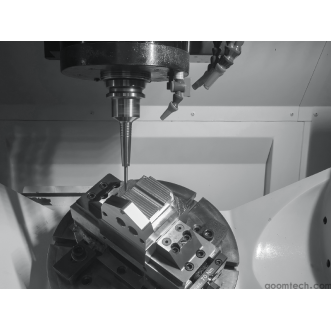
Experience with complex geometries and 5-axis machining
Qualified and trained engineering and machining staff
Successful case studies of similar projects
Customers can assess technical ability by reviewing sample parts, checking certifications of engineers, and analyzing past project performance.
Quality Assurance System
A strong quality system is the backbone of any High - quality Manufacturer of CNC Machined Parts. Reliable manufacturers usually follow international standards such as ISO 9001. In aerospace and medical fields, they may also follow ISO 13485 or AS9100 standards.
A complete quality system includes:
Incoming material inspection
In-process inspection during machining
Final inspection before shipment
Traceability records for each batch
Advanced measuring tools such as Coordinate Measuring Machines (CMM), optical comparators, and surface roughness testers are used to ensure accuracy. Non-conforming parts are carefully reviewed, reworked, or rejected depending on severity.
Advanced Equipment and Technology
Modern CNC machines are essential for producing high-precision components. A High - quality Manufacturer of CNC Machined Parts invests in advanced equipment such as multi-axis CNC machining centers, high-speed milling machines, and precision lathes.
Technology also plays an important role. CAD/CAM software helps engineers design and simulate machining processes before production begins. This reduces errors, improves efficiency, and ensures consistent quality.
Benefits of advanced technology include:
Higher machining accuracy
Faster production cycles
Better surface finish quality
Reduced human error
Production Capacity and Flexibility
A reliable High - quality Manufacturer of CNC Machined Parts must handle both small prototype orders and large-scale production runs. Flexibility is important when customers change designs, quantities, or delivery schedules.
Key evaluation points include:
Monthly production capacity
Lead time for prototypes and mass production
Ability to scale production quickly
Responsiveness to design changes
Manufacturing Process of High - quality CNC Machined Parts
Design and Engineering
The process begins with product design. Engineers use CAD software to create a 3D model based on customer requirements. This stage ensures that the part is suitable for machining.
Good design practices include:
Avoiding sharp internal corners that increase stress
Ensuring proper tool access for machining
Choosing appropriate tolerances based on function
Optimizing design for cost and manufacturability
Material Procurement
Material quality strongly affects final product performance. A High - quality Manufacturer of CNC Machined Parts sources materials from reliable suppliers to ensure consistency and traceability.
Material selection depends on application requirements:
Aluminum: lightweight and corrosion-resistant
Stainless steel: high strength and durability
Titanium: aerospace and medical applications
Plastics: electrical insulation and lightweight needs
CNC Machining Operations
The machining stage includes rough machining and finish machining. Rough machining removes most excess material, while finish machining ensures final precision and surface quality.
Important machining parameters include:
Spindle speed
Feed rate
Cutting depth
Tool selection
These parameters are adjusted depending on material type and part complexity to achieve the best results.
Quality Control Measures in High - quality Manufacturers
In-process Inspection
Quality control in high - quality CNC machining begins during production. Operators regularly check dimensions and surface quality using tools like calipers, micrometers, and gauges.
Common inspection points include:
Shaft diameters
Hole positions and spacing
Surface roughness levels
Tool wear conditions
If deviations are found, machine settings are adjusted immediately to prevent further defects.
Final Inspection and Testing
After machining is complete, a full inspection is carried out. This step ensures that every part meets customer specifications.
Final inspection may include:
Dimensional verification using CMM machines
Functional testing for assembly fit
Surface finish evaluation
Visual inspection for defects
Parts that do not meet requirements are either reworked or rejected to maintain quality standards.
Case Studies of High - quality CNC Machined Parts Manufacturers
Case Study 1: Aerospace Precision Components
An aerospace supplier required ultra-precise aluminum structural parts with very tight tolerances. A High - quality Manufacturer of CNC Machined Parts used 5-axis machining centers and advanced CMM inspection systems.
Results included:
Over 99.5% parts within tolerance
Reduced machining time by 20%
Improved surface finish quality
This helped the aerospace company improve fuel efficiency and reduce assembly errors.
Case Study 2: Medical Device Components
A medical equipment company needed stainless steel surgical instrument parts with strict hygiene and precision requirements. The manufacturer applied ISO 13485 standards and full traceability systems.
Challenges included strict regulatory compliance and complex geometries. By using precision machining and strict inspection, the manufacturer successfully delivered safe and reliable components.
The result was improved device performance and higher patient safety standards.
Conclusion
Choosing a High - quality Manufacturer of CNC Machined Parts is essential for ensuring product performance, safety, and long-term reliability. By focusing on technical expertise, quality systems, advanced equipment, and production flexibility, buyers can identify truly reliable suppliers.
Understanding the manufacturing process of high - quality CNC parts and applying proper evaluation methods helps businesses reduce risks and improve product success. At the same time, strong quality control in high - quality CNC machining ensures every component meets exact specifications.
For industries where precision matters, selecting the right manufacturing partner is not just a choice—it is a necessity.
 Process of Custom High-Precisi
 CNC Machining Parameter Settin
 5 Key Tips for CNC Machining o
 Small-batch Precision Parts 5-