


How to Choose a High-End CNC Machining Factory for Custom Non-Standard Parts
Custom non-standard parts are often used in aerospace, medical equipment, robotics, semiconductor systems, industrial automation, and high-end machinery. These components usually feature complex geometries, tight tolerances, special materials, and low production volumes. Choosing the right CNC machining factory is critical because even small manufacturing errors can lead to assembly problems, product failures, or expensive redesigns.
This guide explains how to evaluate a high-end CNC machining factory from an engineering and procurement perspective.
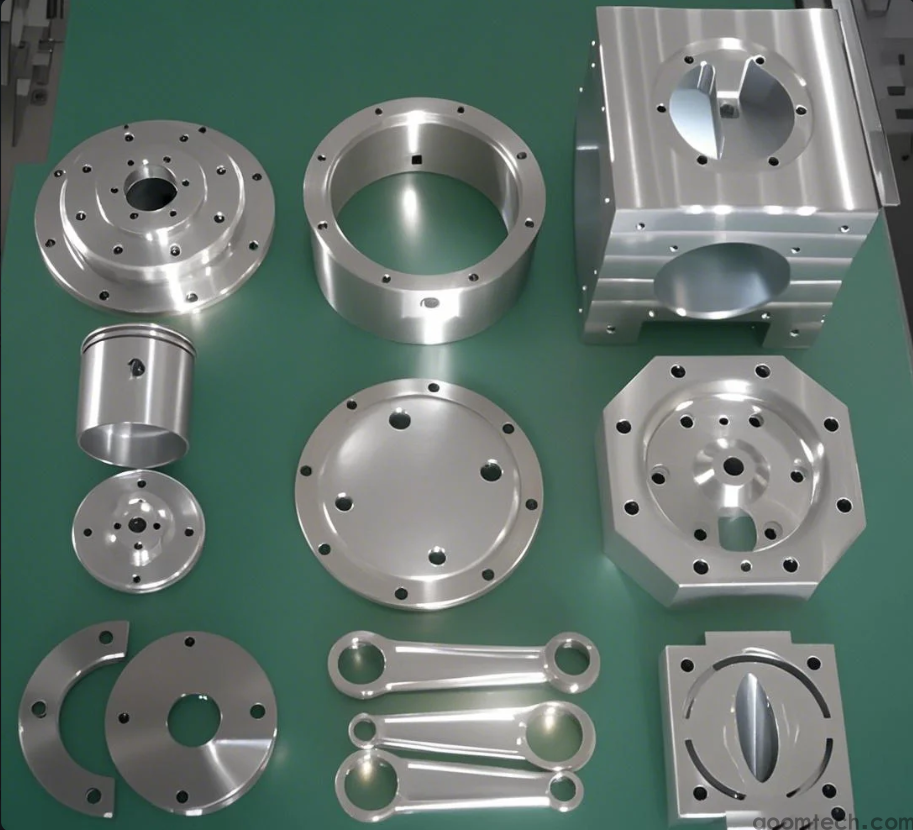
What Are Custom Non-Standard Parts?
Non-standard parts are components manufactured according to a customer's drawings rather than industry-standard dimensions. They may include:
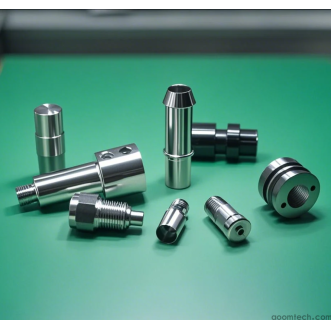
Precision mechanical components
Complex aluminum housings
Stainless steel structural parts
Titanium aerospace components
Semiconductor equipment parts
Medical device components
Automation fixtures and tooling
Most projects require CNC milling, CNC turning, 5-axis machining, EDM, grinding, or multiple manufacturing processes.
Evaluate Machining Capabilities
The first question is whether the factory has the equipment needed for your parts.
Look for capabilities such as:
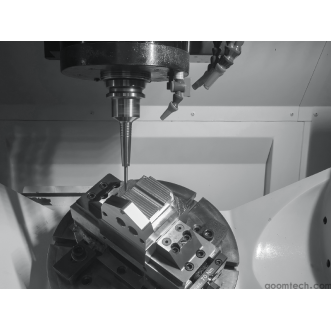
3-axis, 4-axis, and 5-axis CNC machining
CNC turning centers
Mill-turn machining
Swiss-type machining for miniature parts
EDM and wire EDM
Precision grinding
Surface finishing services
A factory with multiple machining technologies can complete complex parts with fewer setups, improving dimensional accuracy and reducing production time. (GC INDUS)
Check Precision and Tolerance Control
High-end factories should clearly define the tolerances they can achieve.
Important questions include:
What standard machining tolerance can you maintain?
Can you consistently achieve ±0.01 mm or tighter?
How do you control thermal drift?
What is the spindle runout?
How is tool wear monitored?
Reliable manufacturers usually perform:
First Article Inspection (FAI)
In-process inspection
Final dimensional inspection
Statistical process control (SPC) for production parts
Consistent accuracy is more valuable than advertising extremely tight tolerances that cannot be maintained in production. (GC INDUS)
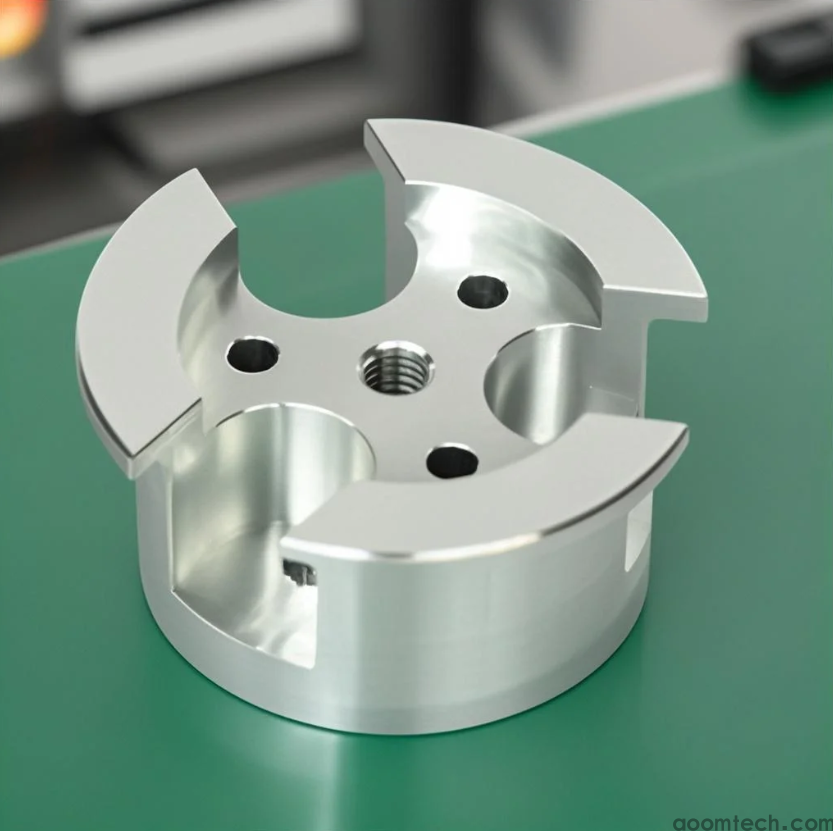
Verify Inspection Equipment
Inspection equipment is just as important as machining equipment.
A professional factory should have:
Coordinate Measuring Machine (CMM)
Height gauges
Digital micrometers
Vision measurement systems
Surface roughness tester
Hardness tester
Ask whether inspection reports are included with every shipment.
Typical documents include:
CMM inspection report
Material certificate
Heat treatment certificate
Surface finish report
Review Engineering Support
The best CNC machining factories do more than manufacture parts.
They also provide Design for Manufacturability (DFM) support by reviewing:
Thin-wall structures
Deep pocket machining
Tool accessibility
Internal corner radii
Hole depth
Thread design
Fixture strategy
Early DFM feedback can reduce machining time, improve reliability, and lower manufacturing costs. (NICE Rapid Tooling)
Evaluate Material Experience
Different materials require different machining strategies.
Ask whether the factory regularly machines:
| Material | Typical Applications |
|---|---|
| 6061-T6 Aluminum | General precision parts |
| 7075-T6 Aluminum | Aerospace components |
| Stainless Steel 304 | Industrial equipment |
| Stainless Steel 316L | Medical equipment |
| 17-4 PH Stainless Steel | High-strength parts |
| Titanium Ti-6Al-4V | Aerospace and medical |
| Brass | Precision fittings |
| Copper | Electrical components |
| PEEK | Medical and semiconductor |
Material expertise affects tool selection, cutting parameters, dimensional stability, and surface quality.
Examine Quality Certifications
Quality certifications demonstrate that a factory follows documented quality systems.
Common certifications include:
ISO 9001
ISO 13485 for medical devices
AS9100 for aerospace
IATF 16949 for automotive
Request copies of current certificates rather than relying solely on website claims. (GC INDUS)
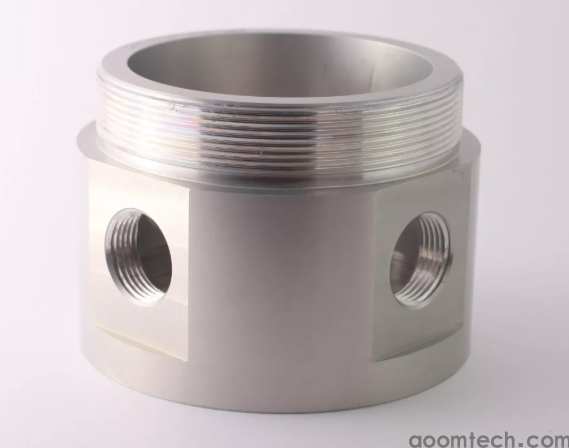
Assess Production Capacity
A high-end supplier should support every stage of production.
Typical services include:
Prototype machining
Small-batch production
Medium-volume manufacturing
Mass production
Engineering changes
Emergency orders
Ask about:
Monthly machining capacity
Number of CNC machines
Maximum part size
Largest batch completed
Average delivery time
Capacity planning is especially important if your project may scale after prototype approval.
Review Surface Finishing Services
Many custom parts require secondary operations.
Common finishing options include:
Anodizing
Hard anodizing
Electropolishing
Passivation
Powder coating
Nickel plating
Zinc plating
Black oxide
Sandblasting
Laser engraving
Working with one supplier for machining and finishing can simplify quality control and shorten lead times.
Evaluate Communication and Project Management
Good communication prevents expensive mistakes.
Professional suppliers should:
Respond quickly to RFQs
Clarify unclear drawings before machining
Provide regular production updates
Notify customers immediately of potential issues
Offer engineering recommendations instead of simply following drawings without review
Poor communication often leads to delays, rework, and unexpected costs. (NICE Rapid Tooling)
Request Sample Parts or Trial Orders
Before placing a large order, request:
One prototype
First article sample
Small pilot batch (5–20 pieces)
Evaluate:
Dimensional accuracy
Surface finish
Packaging quality
Inspection documentation
Delivery performance
A trial order is one of the most effective ways to verify a supplier's real capabilities before committing to long-term production. (NICE Rapid Tooling)
Warning Signs to Avoid
Be cautious if a supplier:
Offers prices far below competitors without explanation
Cannot provide inspection reports
Avoids discussing machining tolerances
Has limited experience with your material or industry
Gives vague answers about equipment or quality control
Promises unrealistic lead times
Low prices may result in higher total costs due to rework, scrap, or delayed deliveries.
Questions to Ask Before Choosing a Factory
Before selecting a CNC machining partner, ask:
What is your standard machining tolerance?
Which CNC machines will produce my parts?
Can you provide CMM inspection reports?
Do you perform Design for Manufacturability (DFM) reviews?
Which certifications do you hold?
What industries do you primarily serve?
Can you support future production scaling?
What is your on-time delivery rate?
How do you handle non-conforming parts?
Can you provide customer references or case studies?
Conclusion
Choosing a high-end CNC machining factory for custom non-standard parts involves much more than comparing prices. The best supplier combines advanced machining capabilities, experienced engineering support, rigorous quality control, reliable inspection, and clear communication throughout the project.
By evaluating equipment, certifications, inspection systems, material expertise, production capacity, and technical support, you can reduce manufacturing risks, improve product quality, and build a long-term partnership that supports both prototype development and future production.
 Process of Custom High-Precisi
 CNC Machining Parameter Settin
 5 Key Tips for CNC Machining o
 Small-batch Precision Parts 5-