


How to choose a manufacturer for CNC machining of aluminum parts
Introduction to Choosing a CNC Aluminum Parts Manufacturer
The Significance of Selecting the Right Manufacturer
Choosing the right manufacturer for CNC machining of aluminum parts is a key decision in any production project. Aluminum parts are widely used in industries such as automotive, aerospace, electronics, robotics, and medical devices. Because these industries require high precision and reliability, the manufacturer you choose directly affects product quality, cost, and delivery time.
A reliable partner ensures that parts are made according to exact specifications, with stable quality and competitive pricing. On the other hand, choosing the wrong manufacturer can lead to serious problems. For example, parts may not fit correctly during assembly, surface finishes may be poor, or delivery delays may interrupt your entire production schedule. In some cases, rework or replacement can significantly increase costs and waste valuable time.
Key Factors in Choosing a Manufacturer
Experience and Expertise
One of the most important factors in choosing CNC aluminum parts manufacturer is experience. A manufacturer with many years in CNC machining is more likely to understand the challenges of working with aluminum, such as its softness, tendency to deform, and high thermal conductivity.
Experienced manufacturers know how to adjust cutting speeds, tool selection, and cooling methods to achieve precise results. This helps prevent defects like burrs, warping, or poor surface finish.
When evaluating experience, consider:
How many years the company has been in CNC machining
What types of aluminum parts they have produced
Which industries they serve (automotive, aerospace, electronics, etc.)
Whether they have a skilled engineering and machining team
A strong technical team ensures that your design is properly understood and manufactured with high accuracy from the beginning.
Quality Assurance
The importance of quality in choosing aluminum parts manufacturer cannot be overstated. Quality assurance (QA) is what guarantees that every part meets required standards before it is delivered.
A professional manufacturer should have a structured QA system that includes both in-process inspection and final inspection. Common tools used include calipers, micrometers, height gauges, and Coordinate Measuring Machines (CMMs). These instruments ensure tight tolerances and consistent accuracy.
A strong quality control process usually includes:
Incoming material inspection (checking aluminum grade and certification)
First article inspection (verifying the first produced part)
In-process inspection during machining
Final inspection before shipping
Non-conforming parts should be clearly marked, analyzed, and corrected through a documented process. This reduces repeat errors and improves long-term consistency.
Cost-Effectiveness
Cost is always an important factor, but it should be balanced with quality and reliability. A good manufacturer does not just offer the lowest price, but provides overall value.
When evaluating cost-effectiveness, request a detailed quotation that includes:
Material costs
Machining and labor costs
Surface treatment or finishing costs
Packaging and shipping costs
It is also recommended to compare quotes from multiple suppliers. However, avoid choosing only based on the lowest price. A very low cost may indicate lower material quality, outdated equipment, or weak quality control.
Manufacturers with strong production efficiency and bulk material sourcing capabilities can often reduce costs without sacrificing quality, making them more cost-effective in the long run.
Turnaround Time
The turnaround time in choosing CNC aluminum parts manufacturer is another critical factor. Even high-quality parts lose value if they are delivered too late.
A reliable manufacturer should provide clear lead times and consistently meet deadlines. Delays in production can affect your entire supply chain, leading to inventory shortages, delayed product launches, or increased storage costs.
When evaluating turnaround time, consider:
On-time delivery record
Production capacity and machine availability
Ability to handle urgent or fast-track orders
It is also important to clearly communicate your delivery requirements from the beginning. This helps the manufacturer plan production schedules effectively and avoid misunderstandings.
Range of Services
A strong CNC machining partner should offer more than just basic machining. A wider range of services can simplify your supply chain and improve efficiency.
Useful additional services include:
Design assistance for manufacturability (DFM)
Rapid prototyping for testing designs
Surface treatments such as anodizing, polishing, or powder coating
Assembly services for finished products
These services help reduce communication between multiple suppliers and ensure better consistency in final products. For example, design assistance can reduce machining difficulty and lower production cost before manufacturing even begins.
Equipment and Technology
Modern equipment plays a major role in machining quality and efficiency. Advanced CNC machines allow higher precision, better surface finish, and faster production cycles.
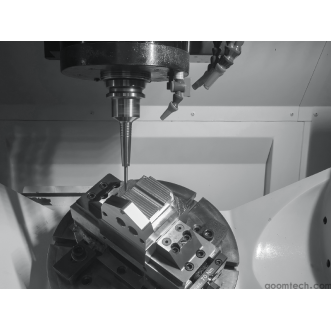
Multi-axis CNC machines, for example, can produce complex aluminum parts in a single setup, reducing errors caused by multiple repositioning steps. High-quality cutting tools, such as carbide tools, also improve machining performance for aluminum.
When choosing a manufacturer, ask about:
The type and age of CNC machines used
Availability of multi-axis machining centers
Tooling systems and maintenance practices
Software used for programming and simulation
Advanced technology not only improves quality but also reduces production time and overall cost.
Communication and Customer Service
Good communication is essential for successful manufacturing. A professional manufacturer should respond quickly, clearly understand your requirements, and provide regular updates.
Strong customer service helps prevent misunderstandings and ensures that any issues are solved quickly during production.
Evaluate communication quality by observing:
Response time to inquiries
Clarity of technical explanations
Willingness to discuss design improvements
Transparency in production updates
A manufacturer that communicates well is more likely to deliver consistent and reliable results.
Conclusion
Understanding how to choose a manufacturer for CNC machining of aluminum parts is essential for achieving high-quality, cost-efficient, and timely production results. The best decision is not based on a single factor but on a balanced evaluation of experience, quality control, cost, delivery time, services, technology, and communication.
By carefully reviewing these aspects, businesses can build strong partnerships with manufacturers that support long-term success. Selecting the right supplier reduces risks, improves product performance, and ensures smoother production workflows.
In the end, choosing the right partner is not just about manufacturing parts—it is about building reliability, efficiency, and trust in your entire production chain.
 Process of Custom High-Precisi
 CNC Machining Parameter Settin
 5 Key Tips for CNC Machining o
 Small-batch Precision Parts 5-