


Manufacturer of Non-standard CNC Machined Parts
Introduction to Manufacturers of Non-Standard CNC Machined Parts
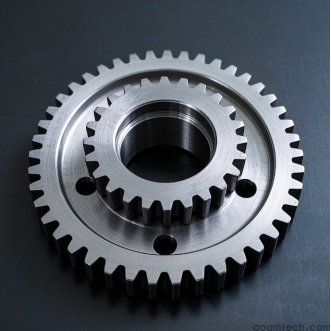
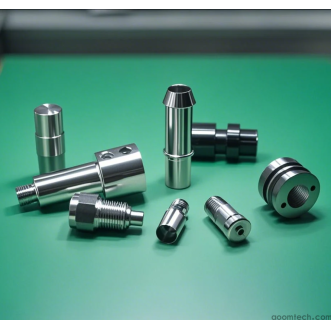
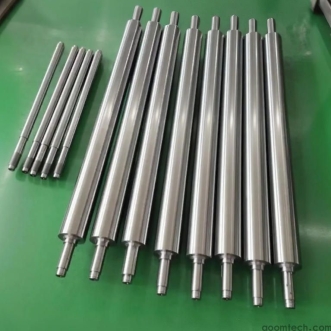
The Manufacturer of Non-Standard CNC Machined Parts plays an important role in modern manufacturing industries. These manufacturers produce custom-made parts that cannot be found as standard products in the market. Unlike off-the-shelf components, non-standard CNC machined parts are designed and produced based on specific drawings, performance needs, and application environments.
These parts are widely used in industries such as aerospace, automotive, electronics, medical equipment, robotics, and industrial machinery. For example, in aerospace systems, custom brackets, housings, and connectors are often required to meet strict weight, strength, and safety requirements. In medical devices, non-standard components are needed for surgical tools and diagnostic machines where precision is critical.
Because of these demanding requirements, choosing the right manufacturing partner is essential for product success, cost control, and long-term reliability.
What to Look for in a Non-Standard CNC Machined Parts Manufacturer
Technical Capabilities
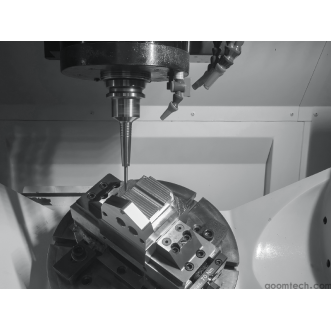
One of the most important factors is the technical capabilities of non-standard CNC parts manufacturers. A reliable manufacturer should have a wide range of CNC machines, including CNC milling machines, CNC lathes, and multi-axis machining centers.
They should also be able to process different materials such as aluminum, stainless steel, carbon steel, brass, plastics, and engineering composites. Advanced manufacturers can handle complex geometries and maintain very tight tolerances, such as ±0.01mm or even finer depending on the project requirements.
To evaluate technical ability, you can request sample parts, review case studies, or check their production equipment list and machining capabilities.
Quality Assurance System
Quality control is another key factor when selecting a manufacturer. A professional company should have a complete quality management system covering every production stage.
This includes in-process inspection and final inspection using precision tools such as calipers, micrometers, height gauges, and Coordinate Measuring Machines (CMM). Many reliable manufacturers also follow international quality standards such as ISO-based systems to ensure consistency.
Good quality assurance also means proper handling of non-conforming parts, clear inspection records, and traceable production processes.
Industry Experience
Industry experience is highly valuable. A manufacturer with years of experience in your specific field will better understand technical requirements, safety standards, and performance expectations.
For example, a manufacturer experienced in medical CNC parts will understand biocompatibility requirements, while one in the automotive industry will be familiar with durability and mass-production consistency.
Asking for references or past project examples can help confirm their experience and reliability.
Benefits of Choosing the Right Manufacturer
High-Level Customization
One of the key benefits of choosing a non-standard CNC parts manufacturer is the ability to achieve full customization. The manufacturer can work closely with your design team to create parts that match exact specifications.
This may include special shapes, unique features, surface finishes, or material requirements. For example, a custom electronic device may require a specially designed connector that fits a unique internal structure.
Cost-Effectiveness
Although non-standard parts may seem expensive at first, an experienced manufacturer can reduce overall costs through optimized machining strategies.
They may improve tool paths, reduce material waste, suggest alternative materials, or simplify designs without affecting performance. These improvements help reduce production costs while maintaining high quality.
Timely Delivery
A reliable manufacturer understands the importance of deadlines. Delays in part delivery can interrupt entire production lines, especially in industries such as automotive and electronics.
Professional manufacturers use structured production planning, scheduling systems, and backup processes to ensure on-time delivery even when unexpected issues occur.
Case Studies of Reputable Manufacturers
Case Study 1: Aerospace Components
A manufacturer received a project requiring high-precision aerospace brackets with extremely tight tolerances and a short delivery time. The challenge was to maintain accuracy while meeting strict deadlines.
The manufacturer used advanced 5-axis CNC machines, combined with real-time quality inspections. Each stage of production was closely monitored using CMM systems. As a result, all parts met aerospace standards and were delivered on time, supporting successful aircraft assembly.
Case Study 2: Medical Device Parts
In another case, a manufacturer produced non-standard parts for medical diagnostic equipment. The main challenge was ensuring material safety and precision while meeting strict regulatory requirements.
The manufacturer selected biocompatible materials, applied strict cleaning processes, and performed multiple inspections. The final parts met medical standards and were successfully used in clinical equipment.
Tips for Working with Non-Standard CNC Machined Parts Manufacturers
Effective Communication
Clear communication is essential when working with non-standard CNC machined parts manufacturers. Always provide detailed drawings, material requirements, tolerance levels, and expected delivery schedules.
Regular communication during production helps identify issues early and ensures smoother project execution. Many successful projects rely on frequent updates and clear feedback between both parties.
Building Long-Term Partnerships
A long-term relationship with a manufacturer brings many advantages. Over time, the manufacturer becomes more familiar with your requirements, leading to faster production, better quality, and improved cost control.
Long-term cooperation also builds trust, which often results in more flexible support and priority scheduling for urgent projects.
Conclusion
Choosing the right Manufacturer of Non-Standard CNC Machined Parts is a critical decision that affects product quality, cost efficiency, and delivery performance. By carefully evaluating technical capabilities, quality systems, and industry experience, businesses can ensure they work with a reliable and capable partner.
With the right manufacturer, companies can achieve high precision, customized solutions, and stable long-term production success.
 Process of Custom High-Precisi
 CNC Machining Parameter Settin
 5 Key Tips for CNC Machining o
 Small-batch Precision Parts 5-